
 DE
DE  EN
EN  ZH
ZH  JA
JA 
Der Blog
Titananode für die Galvanisierung: Worauf Käufer achten sollten
Warum eine Titananode für die Galvanisierung einen genaueren Blick wert ist
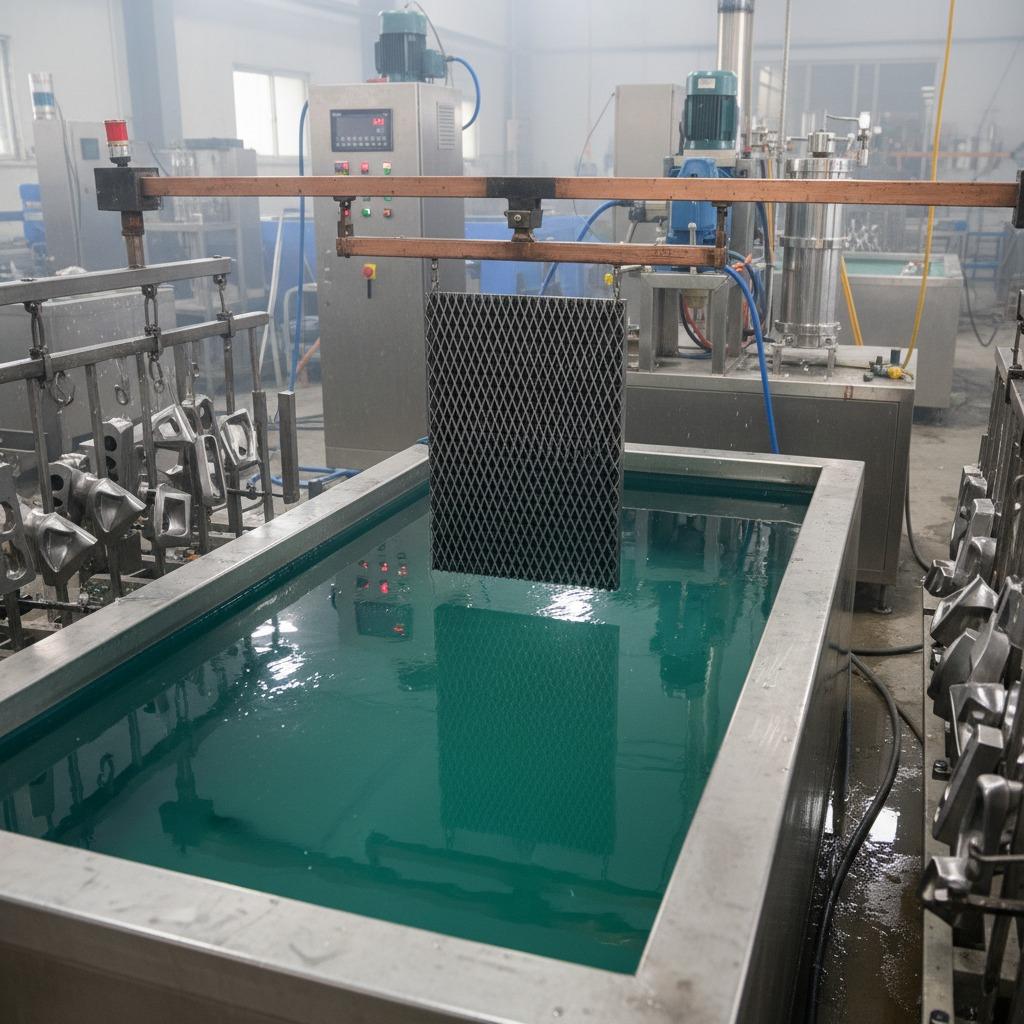
Wenn in einer Galvanisierungsanlage ungleichmäßige Abscheidungen, steigende Spannungen oder häufigere Reinigungsstillstände auftreten, sollte man als Erstes die Anode überprüfen. Für die Galvanisierung wird oft eine Titananode gewählt, da sie in anspruchsvollen Nassprozessen einen dauerhaften, durchgängigen Strompfad bietet. Dies ist besonders wichtig, wenn eine stabile Anodenform anstelle eines sich allmählich abnutzenden Opfermetalls gewünscht ist. Die richtige Wahl ist entscheidend, da die Anodengeometrie die Stromverteilung, die Badzirkulation, die Wartungsintervalle und letztendlich die Teilequalität beeinflusst.
Kundenspezifische Titananoden für die Galvanotechnik: In der Praxis entscheiden sich Käufer meist zwischen einer Anode, die lediglich leitet, und einer, die einen gleichmäßigeren Prozessablauf ermöglicht. Hier kommen Gitter- und Streckmetallanoden zum Einsatz. Sie schaffen eine exponierte Oberfläche für den Stromtransport und lassen den Elektrolyten durch die Anode fließen, anstatt ihn um ein festes Hindernis herumzuführen. Bei vielen Galvanisierungsanlagen macht sich dieser kleine Designunterschied im tatsächlichen Produktionsverhalten bemerkbar.
Was die sichtbare Produktform einem Käufer vermittelt
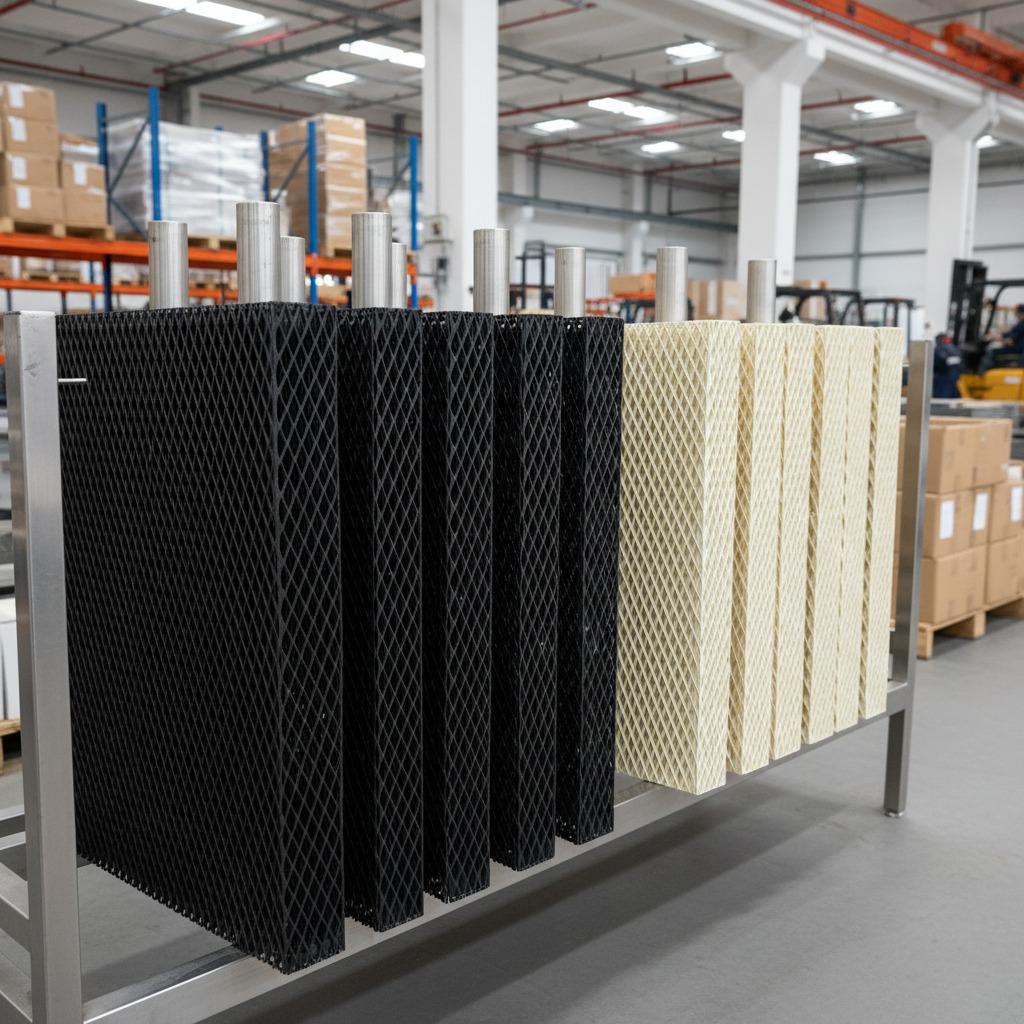
Kundenspezifische Titananode für die Galvanikindustrie. Das hier beschriebene Produkt ist eine rechteckige Netzelektrode mit Titanbasis, Rauten- oder Streckmetallstruktur und einem massiven, mittig an der Unterseite angebrachten Stiel zur Montage oder zum Anschluss. Die flache, stabile Plattenform ermöglicht eine einfache Installation und sorgt für eine gleichbleibende Position im Bad. Der Stiel ist ein funktionales, kein rein kosmetisches Detail: In der Produktion sind eine sichere Verbindung und eine reproduzierbare Positionierung oft wichtiger als das Aussehen.
Die offene Struktur ist das Hauptverkaufsargument. Beim Galvanisieren verhält sich das Bad in Bereichen mit geringer Strömungsgeschwindigkeit ungünstig. Eine Netzanode kann den Durchfluss verbessern und die Bildung von Stagnationszonen nahe der Elektrodenoberfläche reduzieren. Dadurch kann der Prozess auch bei größeren Werkstücken, Gestellen mit geringem Abstand oder in Becken, in denen die Flüssigkeitsbewegung bereits stark beansprucht wird, stabiler verlaufen.
Es sind zwei Farbvarianten erkennbar: eine schwarz beschichtete und eine hellbeige oder weiß beschichtete. Die Oberflächenbeschaffenheit lässt auf unterschiedliche Beschichtungen oder Behandlungen schließen, die chemische Zusammensetzung der Beschichtung lässt sich jedoch allein anhand des Bildes nicht feststellen. Ein vorsichtiger Käufer sollte daher nicht davon ausgehen, dass beide Versionen die gleiche Leistung erbringen, nur weil die Form identisch aussieht.
Wo diese Art von Anode üblicherweise verwendet wird
Titan-Netzanoden finden Anwendung in der Galvanotechnik, der Abwasserbehandlung, in Chloralkali-Systemen, der Metallveredelung und anderen industriellen elektrochemischen Zellen. Der gemeinsame Nenner ist einfach: Der Prozess benötigt eine Anode, die Stromübertragung ermöglicht und gleichzeitig einer aggressiven Flüssigkeitsumgebung standhält. In manchen Systemen ist die Anode Teil einer größeren, speziell entwickelten Anlage; in anderen handelt es sich um ein einfach zu ersetzendes Bauteil, das zu vorhandenen Gestellen, Stromschienen und der Tankgeometrie passen muss.
Maßgeschneiderte Titananoden für die Galvanikindustrie: Für Galvanikbetriebe liegt der Reiz oft in einer Kombination aus betrieblichen und wirtschaftlichen Vorteilen. Eine optimal gewählte Anodenform kann Nacharbeiten aufgrund unzureichender Beschichtung reduzieren und Reinigungsunterbrechungen minimieren, sofern sich die Oberfläche im Betrieb vorhersehbar verhält. Allerdings kann auch keine Anode ein schlecht abgestimmtes Bad kompensieren. Stimmen Chemie, Rührverhalten oder Abstand nicht, sind die Möglichkeiten der Technik begrenzt.
Wie Käufer die Optionen bewerten sollten
1. Passen Sie die Anodenform an den Tank an.
Rechteckige Paneele eignen sich für viele Tanklayouts, jedoch müssen Abmessungen, Befestigungspunkte und Abstand zur Kathodenseite überprüft werden. Die Maschenfläche ist nur dann sinnvoll, wenn sie ohne umständliche Installation oder schlechten elektrischen Kontakt in die Leitung passt.
2. Bestätigen Sie, um welche Oberflächenbehandlung es sich genau handelt.
Da die Art der Beschichtung hier nicht bestätigt ist, sollten Käufer direkt nach der aktiven Schicht, der Spezifikation des Basismetalls und der vorgesehenen Elektrolytverträglichkeit fragen. Dies ist kein unwichtiges Detail im Beschaffungsprozess. Eine falsche Beschichtung kann zu vorzeitigem Ausfall, instabiler Leistung oder unerwarteten Kontaminationsproblemen führen.
3. Fragen Sie, wie die Anode im Prozess verwendet wird.
Galvanisierung, Abwasserbehandlung und Chloralkali-Verfahren stellen unterschiedliche Anforderungen an die Hardware, die zwar ähnlich aussieht, aber dennoch funktioniert. Stromdichte, Flüssigkeitszusammensetzung und Temperatur beeinflussen das Betriebsverhalten. Ein Lieferant sollte den jeweiligen Prozess detailliert erläutern können, anstatt eine allgemeine Antwort wie „für viele Anwendungen geeignet“ zu geben und das Thema zu wechseln.
Häufige Fehler von Käufern
Ein häufiger Fehler besteht darin, das Drahtgitter als Standardprodukt zu betrachten, obwohl es eigentlich Bestandteil der Prozessauslegung ist. Ein weiterer Fehler ist die Annahme, dass ein Titan-Basismetall automatisch bedeutet, dass das Gerät für jedes Bad geeignet ist. Diese Annahme ist zu pauschal. Selbst in der industriellen Elektrochemie ist die Kompatibilität stark prozessspezifisch.
Auch der Anschlussstutzen wird leicht übersehen. Passt die Geometrie des Stutzens nicht zum Montagezubehör, kann dies zu schlechtem Kontakt oder einer unnötigen Reparatur vor Ort führen. In der Produktion sind es gerade diese kleinen Probleme, die am meisten Zeit kosten.
Praktische Käufertipps vor Ihrer Bestellung
Kundenspezifische Titananode für die Galvanikindustrie. Bevor Sie eine Bestellung aufgeben, erfassen Sie die Abmessungen des Behälters, die Montageart, den Elektrolyttyp, den Betriebsstrombereich sowie bekannte Einschränkungen hinsichtlich Beschichtungen oder Verunreinigungen. Wenn der Lieferant nicht erklären kann, wie die Platte geformt, mit dem Stiel verbunden oder wie sie installiert werden soll, fragen Sie weiter nach. Ein guter Industrielieferant sollte sowohl die sichtbaren Merkmale als auch die noch unbekannten Aspekte problemlos erläutern können.
Beim Austausch einer vorhandenen Titananode für die Galvanisierung sollten Sie neben der Größe auch Maschenweite, Steifigkeit und Anschlussanordnung vergleichen. Die scheinbar günstigste Anode gewährleistet nicht immer einen sauberen Badablauf.
Häufig gestellte Fragen
Ist eine Drahtgitteranode immer besser als eine massive Plattenanode?
Nicht immer. Siebe verbessern zwar den Materialfluss und die exponierte Oberfläche, aber die Prozessauslegung muss dies erfordern.
Lässt sich die Beschichtung allein anhand ihres Aussehens identifizieren?
Nein. Die sichtbaren Farben mögen zwar auf unterschiedliche Behandlungen hindeuten, aber das reicht für eine Spezifikationsarbeit nicht aus.
Ist Titan allein ausreichend?
Titan ist hier lediglich das Basismetall. Die Leistungsfähigkeit hängt von der gesamten Konstruktion ab, einschließlich etwaiger Oberflächenbehandlungen und der tatsächlichen Prozessbedingungen.
Nächster Schritt
Beim Vergleich einer Titananode für die Galvanisierung mit anderen Anodenarten sollten Sie zunächst die Anordnung des Elektrolytbads und dessen Zusammensetzung betrachten und sich dann rückwärts zu den Geometrien der Anode und den Montagedetails vorarbeiten. Diese Vorgehensweise spart Zeit und verhindert in der Regel Fehlanpassungen, die erst nach der Installation auftreten.