
 DE
DE  EN
EN  ZH
ZH  JA
JA 
Der Blog
Titananode: Was Sie vor dem Kauf der Baugruppe prüfen sollten
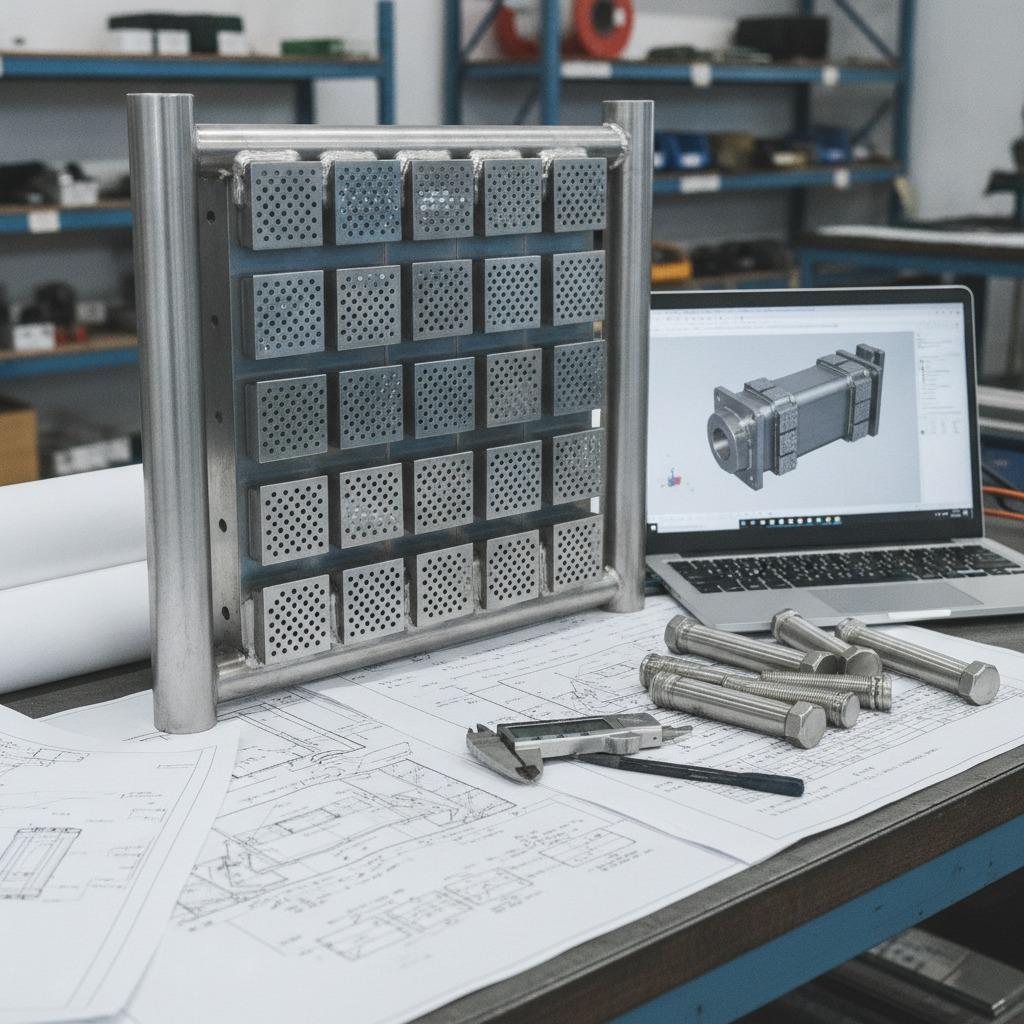
Warum fragen Käufer nach einer Titananode, wenn das eigentliche Problem meist die Montage drumherum ist?
Eine Titananode wird oft als eigenständiges Produkt betrachtet, doch in der Praxis interessiert den Käufer selten nur das Metall selbst. Entscheidend ist vielmehr, ob sich die Elektrode nahtlos in die Struktur, das Stromversorgungssystem und die Betriebsumgebung integriert. Das ist wichtig, denn selbst eine hochwertige Anode kann ihre Leistung nicht voll entfalten, wenn der Tragrahmen, die Befestigungspunkte oder die gefertigten Bauteile mangelhaft sind.
Titananode für die Ozonerzeugung: Für Ingenieure und Beschaffungsteams wird die Diskussion hier praxisorientierter. Es geht nicht nur um den Vergleich korrosionsbeständiger Bauteile. Vielmehr muss entschieden werden, wie die Anode befestigt, isoliert, geschützt und gewartet wird. Besteht die umgebende Hardware beispielsweise aus normalem Stahl, können bei der Montage vermeidbare Wartungsprobleme auftreten. Ist die Montageanordnung uneinheitlich, verlangsamt sich die Installation unnötig. Kleinigkeiten wie flache Laschen, Lochabstände und die Wahl der Beschichtung beeinflussen die Betriebszeit letztendlich stärker, als viele Käufer annehmen.
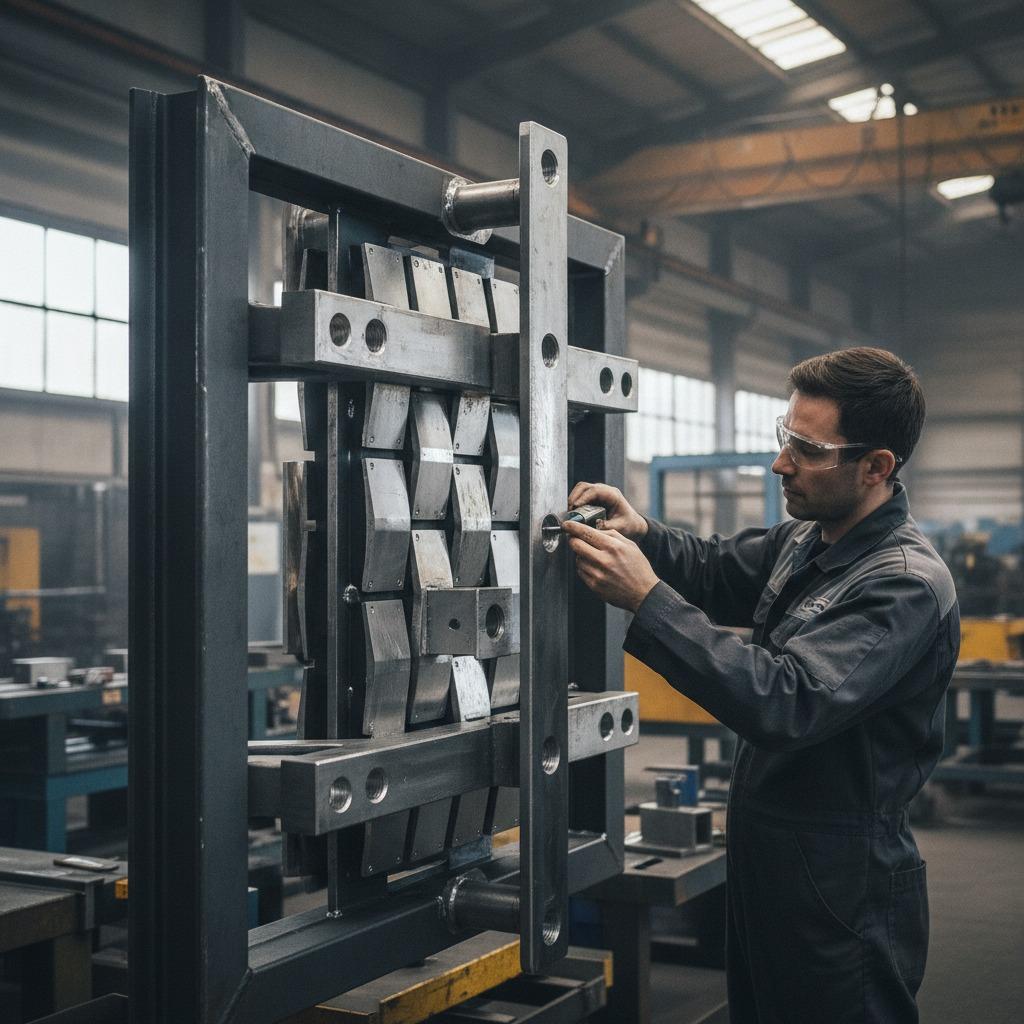
Wofür eine Titananode verwendet wird und warum die Anwendung die Kaufkriterien ändert
In industriellen Anwendungen werden häufig Titananoden eingesetzt, wenn elektrochemische Leistung und Langlebigkeit entscheidend sind. Die genaue Konstruktion variiert je nach Anwendung, die Kaufkriterien sind jedoch ähnlich: Der Käufer benötigt ein Bauteil, das den Betriebsbedingungen standhält, eine stabile Stromverteilung gewährleistet und sich ohne zusätzliche Fehlerquellen in eine bestehende Baugruppe integrieren lässt.
Deshalb ist es hilfreich, die Anode selbst von der umgebenden Produktarchitektur zu trennen. Manche Projekte benötigen lediglich eine einfache Ersatzelektrode. Andere erfordern einen speziell angefertigten Schweißrahmen, eine Halterung oder ein rohrartiges Bauteil, das die Anode fixiert. In diesen Fällen ist die gefertigte Hardware kein bloßes Hintergrundmaterial, sondern Bestandteil des elektrischen und mechanischen Systems.
Bezugspunkt: Was ist bei einer gefertigten Trägerkonstruktion am wichtigsten?
Die hier bereitgestellten Produktinformationen beschreiben gerade, zylindrische Metallrohre oder rohrähnliche Bauteile mit angeschweißten, flachen Befestigungslaschen und Zweiloch-Befestigungsmustern. Es handelt sich dabei nicht um eine Titananode selbst, sondern um genau die Art von gefertigter Halterung, die häufig eine solche umgibt. Die sichtbaren Merkmale geben Aufschluss: wiederholte Standardteile, einheitlicher Rohrdurchmesser, offene Enden und eine matte, dunkle Beschichtung. Diese Merkmale deuten in der Regel auf Serienfertigung und einen Fokus auf praktische Montage statt auf dekorative Oberflächen hin.
Für Käufer bedeutet das, dass die Prioritätsfragen klar sind:
-
- Passen die Befestigungslaschen zur bestehenden Struktur?
-
- Ist die Beschichtung umweltverträglich oder handelt es sich nur um eine Allzweckbeschichtung?
-
- Passt die Rohrgeometrie zum Lastpfad und zur Montageart?
-
- Sind die Teile für den Endgebrauch oder für einen späteren Montageschritt bestimmt?
Das sind sinnvollere Fragen, als nach einem katalogperfekten Datenblatt zu fragen, wenn das Projekt noch in der Definitionsphase ist.
Materialwahl: Titan, wo es darauf ankommt, Stahl, wo es sinnvoll ist.
Titan genießt in korrosiven oder anspruchsvollen Umgebungen einen hervorragenden Ruf, ist aber nicht automatisch die beste Wahl für jede Systemkomponente. Strukturbauteile, Schutzvorrichtungen, Schienen und Gestelle werden häufig aus Stahl gefertigt und anschließend beschichtet, da diese Kombination kostengünstig und mechanisch robust sein kann. Im Gegensatz dazu kann für das Elektrodenelement aufgrund seiner Leistungsanforderungen Titan erforderlich sein.
Diese zweigleisige Vorgehensweise ist in der industriellen Fertigung üblich. Wichtig ist dabei Folgendes: Gehen Sie nicht davon aus, dass alle angrenzenden Teile aus Titan bestehen müssen, nur weil eine Titananode verwendet wird. Das kann die Kosten schnell in die Höhe treiben, ohne das System wesentlich zu verbessern. Wählen Sie das Material passend zur Anwendung. Verwenden Sie Titan, wenn elektrochemische Beständigkeit oder Kompatibilität entscheidend sind, und Stahl oder andere Konstruktionsmetalle, wenn das Bauteil hauptsächlich Lasten trägt oder als Montagefläche dient.
Was Sie vor der Bestellung prüfen sollten
Montagegeometrie
Wenn das Bauteil angeschweißte Laschen mit Zweilochmuster aufweist, überprüfen Sie Lochabstand, Lochdurchmesser und Ausrichtung anhand der Gegenstruktur. Schon eine geringfügige Abweichung kann eine einfache Montage in eine Nachbearbeitung vor Ort verwandeln – genau die Art von Verzögerung, die Beschaffungsteams vermeiden wollen.
Oberflächenbeschaffenheit
Die sichtbare, matte, schwarze oder dunkelgraue Oberfläche deutet auf eine Beschichtung oder Lackierung hin, die genaue Art der Beschichtung ist jedoch nicht bekannt. Betrachten Sie sie als funktionales und nicht als kosmetisches Detail. Fragen Sie nach, ob die Beschichtung dem Korrosionsschutz, der Verschleißfestigkeit, der Kennzeichnung oder lediglich der allgemeinen Optik dient.
Fertigungskonsistenz
Wiederholte Bauteile mit gleichbleibendem Rohrdurchmesser und ähnlichen Befestigungslaschen sind in der Regel ein gutes Zeichen für die Fertigungsgenauigkeit. Dennoch sollte die Fertigungsgenauigkeit anhand der Zeichnungen überprüft und nicht allein aus dem Aussehen abgeleitet werden. Wenn das Bauteil eine Anode oder eine andere kritische Komponente aufnehmen soll, ist die Konsistenz wichtiger als eine polierte Oberfläche.
Häufige Fehler von Käufern bei Anodenbaugruppen
Der häufigste Fehler besteht darin, die elektrochemische Komponente und die zugehörige Hardware als separate Projekte zu betrachten. Das sind sie nicht. Eine Titananode mag zwar korrekt spezifiziert sein, aber wenn die Halterung, die Befestigungselemente oder der gefertigte Rahmen fehlerhaft sind, fällt die Baugruppe im Anwendungstest dennoch durch.
Ein weiterer Fehler besteht darin, den sichtbaren Rahmen zu stark zu spezifizieren und gleichzeitig die Schnittstelle zu vernachlässigen. Käufer konzentrieren sich mitunter auf die Wandstärke der Rohre oder die Beschichtungsfarbe und ignorieren das Lochmuster, die Abstände und die Wartungszugänglichkeit. Im praktischen Einsatz sind es jedoch genau diese Schnittstellendetails, die Techniker als Erstes bemerken.
Praktische Ratschläge für Beschaffungs- und Entwicklungsteams
Bei der Auswahl eines Lieferanten sollten Sie mehr als nur das Materialetikett verlangen. Fragen Sie nach den Zeichnungen, den Abmessungen der Montagefläche, dem Herstellungsverfahren der Laschen und allen bekannten Informationen zur Oberflächenbeschaffenheit. Wenn der Lieferant ein Detail nicht bestätigen kann, ist es besser, dies frühzeitig zu erfahren, als es erst bei der Installation festzustellen.
Wenn Ihr Projekt eine Titananode in Verbindung mit gefertigten Stahlbauteilen verwendet, sollten Sie die gesamte Baugruppe als wartungsbedürftig betrachten. Lassen sich die Teile entfernen, ohne die umgebende Konstruktion zu demontieren? Sind die Befestigungslöcher nach der Installation zugänglich? Hält die Beschichtung der Belastung durch Handhabung und Festziehen stand? Das sind zwar kleine Fragen, aber sie entscheiden darüber, ob das System im Alltag zuverlässig funktioniert.
Wie geht es von hier aus weiter?
Wenn Sie eine Titananode oder die dazugehörige Halterung beschaffen, erstellen Sie die Spezifikation zunächst anhand der Schnittstelle. Legen Sie Montageart, Umgebungsbedingungen und Serviceanforderungen fest und wählen Sie dann das passende Material und die Oberflächenbeschaffenheit. Dieser Ansatz führt in der Regel zu weniger Nachbesserungen, weniger Überraschungen vor Ort und einer reibungsloseren Übergabe von der Beschaffung an die Produktion.
Wenn Sie soweit sind, vergleichen Sie anhand der Zeichnungsunterlagen die Anforderungen an die Elektroden mit denen des Trägerrahmens oder der Rohrkonstruktion und bitten Sie die Lieferanten, Angebote für die Schnittstelle und nicht für eine vage Beschreibung einzuholen. Dieser eine Schritt entscheidet oft darüber, ob aus einer industrietauglichen Baugruppe ein Bauteil wird, das nur auf dem Papier korrekt aussieht.