
 DE
DE  EN
EN  ZH
ZH  JA
JA 
Der Blog
Anodenplatte aus Mischmetalloxid-Titan: Worauf Käufer achten sollten
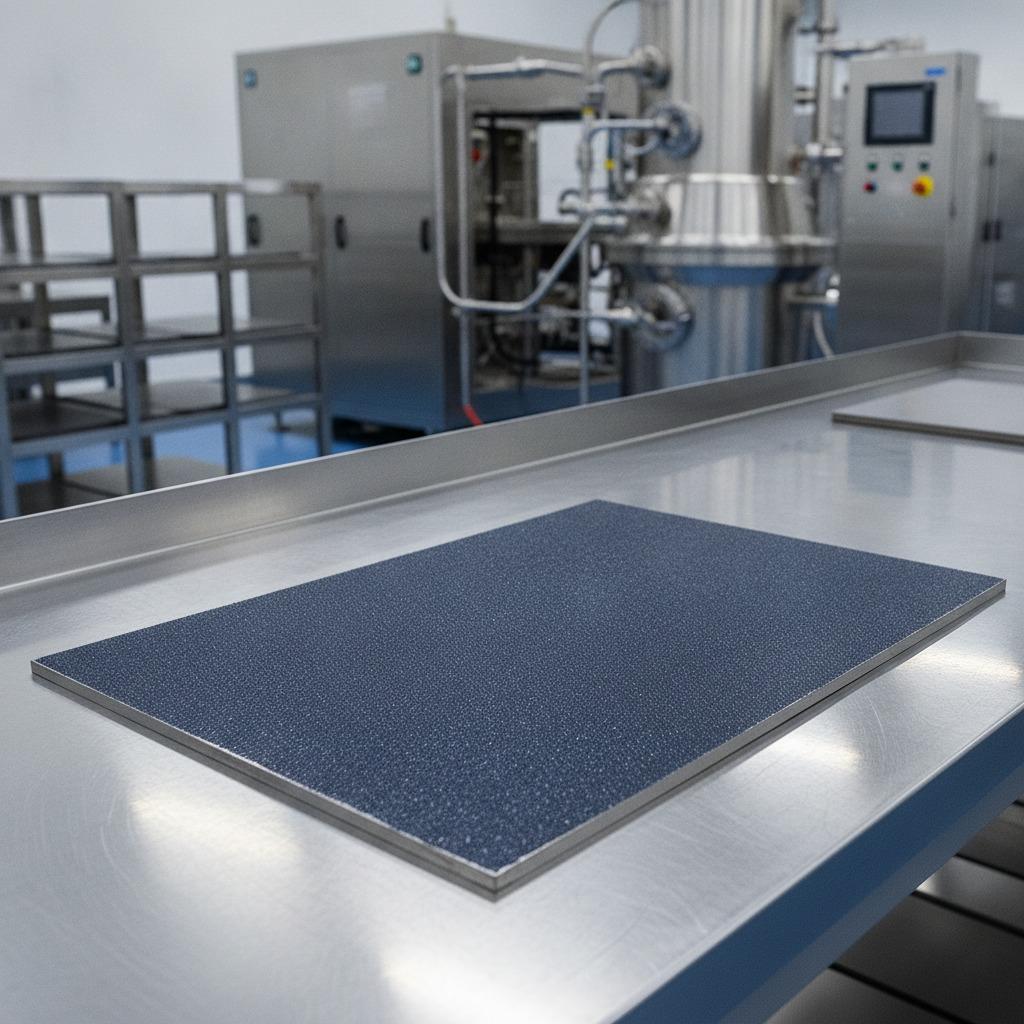
Anodenplatte aus Mischmetalloxid-Titan: Worauf Käufer wirklich achten sollten
Wenn Ingenieure oder Beschaffungsteams nach einer Titan-Anodenplatte mit gemischtem Metalloxid suchen, lautet die erste Frage in der Regel nicht „Wie heißt sie?“, sondern „Hält sie in unserer Zelle, unserem Tank oder unserer Aufbereitungsanlage stand?“. Das ist der richtige Ansatz. Titan-Anoden mit gemischtem Metalloxid (MMO) werden in einem speziellen, aber anspruchsvollen Bereich der industriellen Elektrochemie eingesetzt, wo Beschichtungsqualität, Substratintegrität und Geometrie die Lebensdauer und Stromverteilung beeinflussen.
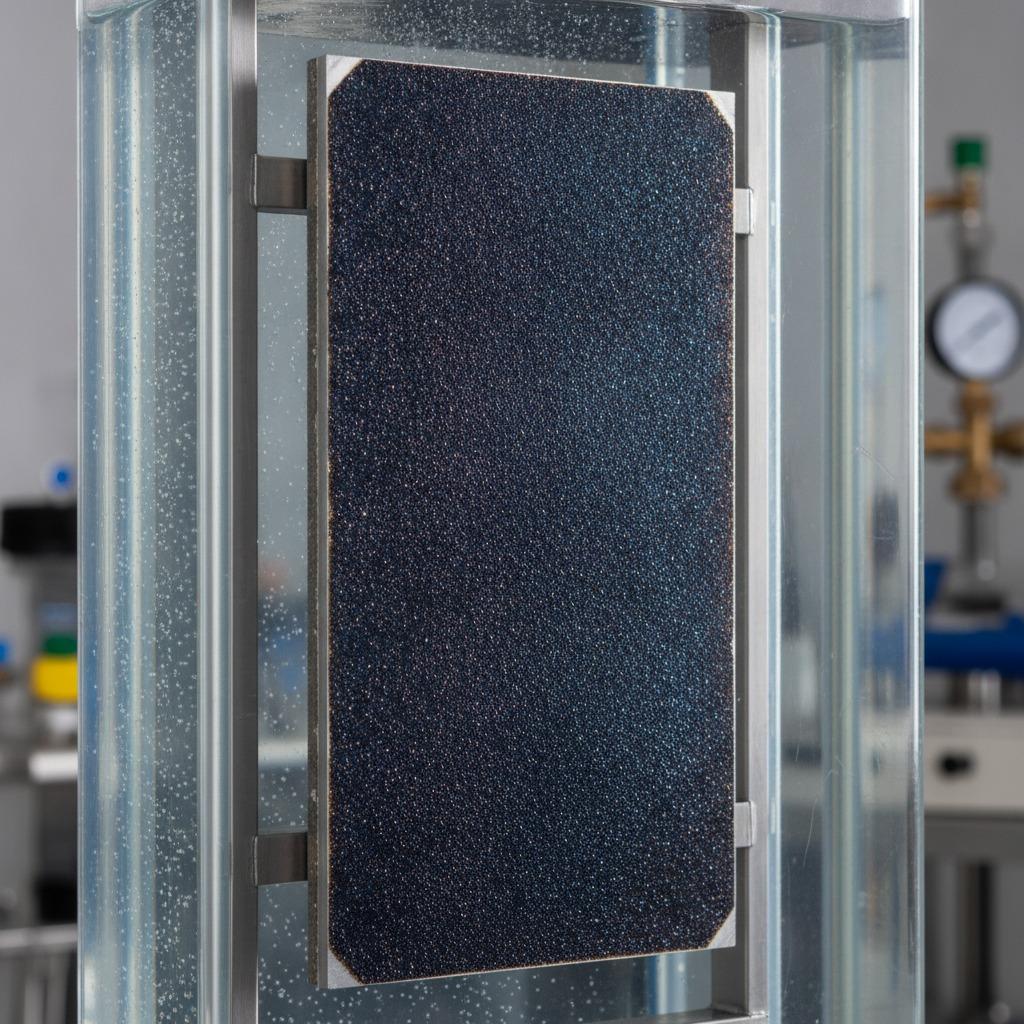
Ein weiterer, oft übersehener Aspekt beim Kauf ist die Beschaffenheit: Nicht alle als Titananodenplatte bezeichneten Produkte sind gleich. Manche sind für die Chlorchemie optimiert, andere für die Sauerstoffentwicklung, wieder andere für den kathodischen Fremdstromschutz und manche für industrielle Elektrolyseumgebungen, die in der Theorie weniger strenge Anforderungen stellen als in der Praxis. Selbst eine scheinbar einfache Platte kann die falsche Wahl sein, wenn Beschichtungssystem, Titanbasis oder Montageart nicht zum jeweiligen Prozess passen.
Was der Begriff in der realen Fertigungspraxis bedeutet
Eine Titan-Mischmetalloxid-Anodenplatte besteht typischerweise aus einem Titansubstrat mit einer MMO-Beschichtung auf der aktiven Oberfläche. Das Titan dient dabei der strukturellen Stabilität und Korrosionsbeständigkeit, während die Oxidschicht die elektrochemische Funktion übernimmt. Käufer legen in der Regel mehr Wert auf das Beschichtungssystem als auf das Metall selbst, da die Beschichtung maßgeblich das Verhalten der Anode unter Last bestimmt.
Auch die Plattenform spielt eine Rolle. Eine Flachplatte bietet eine große aktive Oberfläche und lässt sich oft einfacher in Tanks, Elektrolyserahmen oder andere feste Baugruppen integrieren als Draht-, Draht- oder Rohrplatten. Allerdings kann die Plattengeometrie auch zu Kompromissen im Design führen. Bei ungleichmäßiger Stromverteilung oder unzureichendem Abstand kann die Belastung an den Rändern anders ausfallen als in der Mitte. Dies ist weniger ein Defekt der Anode als vielmehr ein Problem im Systemdesign.
Warum Käufer Plattenformate, Beschichtungen und Substrate vergleichen
Bei der Beschaffung ist es ein Fehler, Substrat und Beschichtung als separate Einkaufsposten zu betrachten. Sie hängen zusammen. Titanqualität, Oberflächenvorbereitung, Haftung der Beschichtung und der vorgesehene Elektrolyt beeinflussen die Leistung. Stimmt eine dieser Variablen nicht überein, kann die Anode zwar zunächst funktionieren, dann aber an Effizienz verlieren oder schneller als geplant verschleißen. Das ist besonders ärgerlich in Produktionsumgebungen, wo Ausfallzeiten mehr kosten als das Bauteil selbst.
Ein aussagekräftiger Vergleich beginnt mit der Prozesschemie und geht dann auf Betriebsstromdichte, Tastverhältnis, Temperaturbereich und etwaige mechanische Einschränkungen bei Montage oder Austausch ein. Käufer sollten außerdem klären, ob die Platte für ein stabiles Industriebad oder für eine rauere Umgebung mit schwankenden Verunreinigungen vorgesehen ist. Die Antwort beeinflusst die Kaufentscheidung stärker als Marketingaussagen.
Auswahlkriterien, die wichtiger sind als Katalogbeschreibungen
1) Beschichtungssystem
Die MMO-Beschichtung bildet die aktive Schicht. Daher ist die erste Frage, welches Oxidsystem verwendet wird und welchen Zweck es erfüllt. Unterschiedliche Mischoxidformulierungen werden für verschiedene elektrochemische Eigenschaften ausgewählt. Sollten diese Informationen unklar sein, bitten Sie um Klärung, bevor Sie fortfahren.
2) Plattengeometrie
Flache Platten sind zwar einfach zu montieren, doch Abmessungen, Kantenbearbeitung, Lochmuster und Oberfläche beeinflussen die Installation und den Stromfluss. Kann der Lieferant die Geometrie nicht klar beschreiben, ist das ein Warnsignal.
3) Qualität des Titansubstrats
Titan ist nicht gleich Titan. Die Beschaffenheit und Vorbereitung des Untergrunds beeinflussen die Haftung der Beschichtung und ihre Langzeitbeständigkeit. Für Käufer ist die Konsistenz von Charge zu Charge entscheidend, nicht nur die Materialbezeichnung.
4) Anwendungspassung
Kathodenschutz mittels Fremdstrom, Trägermaterialien für die Galvanisierung, Abwasserbehandlung und industrielle Elektrolyse können sehr unterschiedliche Anforderungen an die Platteneigenschaften stellen. Eine Platte, die in einer Anwendung funktioniert, kann in einer anderen ungeeignet sein.
Häufige Fehler bei der Beschaffung von MMO-Titananodenplatten
Ein häufiger Fehler ist die übermäßige Fokussierung auf den Stückpreis und die unzureichende Berücksichtigung der Betriebsbedingungen. Ein weiterer Fehler ist die Annahme, dass alle Flachanoden ohne Neuberechnung der Stromverteilung oder des Elektrodenabstands ausgetauscht werden können. Dies kann zu ungleichmäßigem Verschleiß, lokaler Erwärmung oder verringerter Prozesseffizienz führen.
Käufer vernachlässigen mitunter Fragen zur Handhabung und Lagerung. Selbst eine robuste Anode sollte vor dem Einbau vor Kratzern, Verbiegen und Verunreinigungen geschützt werden. Sie ist ein Industriebauteil und keine dekorative Platte, verdient aber dennoch eine sachgemäße Verpackung und Prüfung.
Checkliste für Käufer
Bitte prüfen Sie vor der Bestellung die gewünschte chemische Zusammensetzung, die Plattenabmessungen, die aktive Fläche, die Montageart und etwaige Systembeschränkungen wie Spannungsgrenzen oder Wartungsintervalle. Zeichnungen, Hinweise zur Prozesspassung oder Montageanleitungen des Lieferanten sind in der Regel hilfreicher als allgemeine Leistungsangaben.
Für Ingenieurteams geht es selten um die abstrakte Frage „Welche Anode ist die beste?“. Vielmehr geht es darum, „welche Platte zu diesem Bad, dieser Strombelastung und diesem Wartungsplan passt“. Das ist zwar eine spezifischere Frage, aber sie verhindert, dass Projekte später ins Stocken geraten.
Häufig gestellte Fragen
Ist eine Titan-Mischmetalloxid-Anodenplatte immer mit anderen Anoden austauschbar?
Nein. Geometrie, Beschichtungsart und die beabsichtigte chemische Zusammensetzung spielen eine Rolle. Die Austauschbarkeit sollte im Einzelfall geprüft werden.
Warum wird Titan als Basismetall verwendet?
Weil es ein stabiles Substrat für die Beschichtung bietet und in vielen industriellen Umgebungen gut korrosionsbeständig ist.
Was sollte ein Käufer von einem Lieferanten anfordern?
Mindestens Angaben zum Anwendungszweck, den Plattenabmessungen, den Montagedetails und der Beschichtung/Systembeschreibung. Falls verfügbar, fordern Sie Zeichnungen oder Montagehinweise an.
Nächster Schritt
Wenn Sie eine Titananodenplatte aus Mischmetalloxid suchen, beginnen Sie mit dem Herstellungsverfahren, nicht mit der Teilenummer. Definieren Sie zunächst die chemische Zusammensetzung, die Betriebsbedingungen und die Installationsanforderungen und vergleichen Sie dann die Anbieter anhand dieser Kriterien. Dieser einfache Schritt beseitigt in der Regel die Hälfte der Verwirrung und erspart Ihnen spätere Fehlkäufe.