 DE
DE  EN
EN  ZH
ZH  JA
JA 
Der Blog
Cathodic protection titanium anode: Essential for Corrosion Prevention
Cathodic Protection: Safeguarding Infrastructure from Corrosion
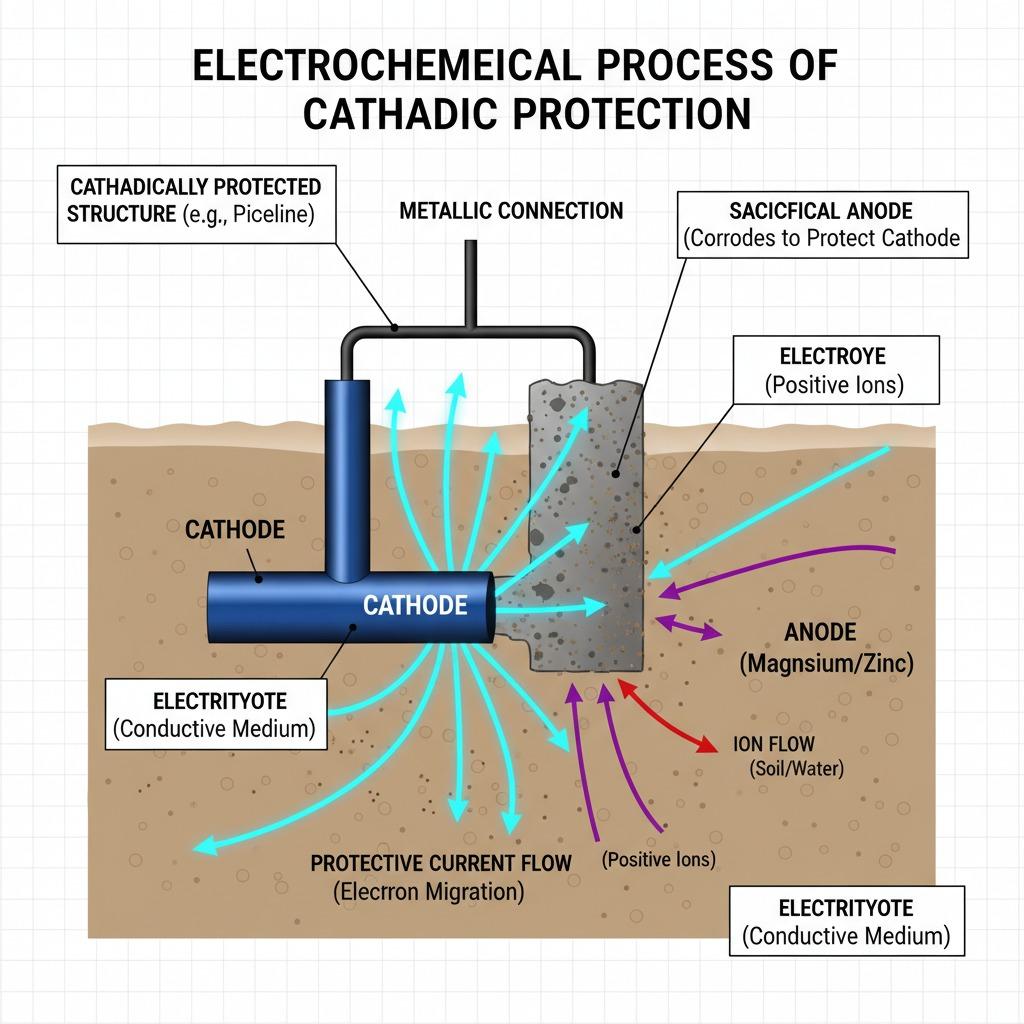
Cathodic protection stands as a cornerstone in the fight against metal degradation, ensuring the longevity of structures in harsh environments. This electrochemical technique prevents corrosion by making the metal surface the cathode in an electrolytic cell, a method widely used in industries like oil and gas, marine, and construction. At its core, cathodic protection transforms vulnerable metals into protected assets, minimizing downtime and repair costs.
Understanding Corrosion Prevention Through Cathodic Protection
Corrosion prevention is essential for maintaining the integrity of pipelines, storage tanks, and offshore platforms, where exposure to moisture, soil, or saltwater accelerates rust formation. Cathodic protection counters this by applying a protective current or using sacrificial anodes, shifting the corrosion process away from the primary metal. For instance, in buried pipelines, this method can extend service life by decades, reducing environmental risks and operational expenses. Engineers often select cathodic protection based on site-specific conditions, ensuring optimal performance against galvanic or electrolytic corrosion. By integrating corrosion prevention strategies early in design, projects achieve greater sustainability and cost efficiency, aligning with modern infrastructure demands.
Impressed Current Cathodic Protection: A Modern Solution
Impressed current cathodic protection represents an advanced form of the technology, utilizing an external power source to deliver a controlled current to the structure. Unlike sacrificial systems, impressed current cathodic protection offers flexibility for large-scale applications, such as protecting bridges or ship hulls, where high current demands are necessary. This system employs inert anodes and a rectifier to generate the protective DC current, allowing precise adjustments to combat varying environmental factors. In industrial settings, impressed current cathodic protection ensures uniform protection across expansive surfaces, preventing localized pitting or scaling. Its reliability makes it ideal for remote monitoring via smart sensors, enabling predictive maintenance and reducing human intervention.
Applications and Benefits in Real-World Scenarios
The practical applications of cathodic protection span diverse sectors, from underground utilities to marine vessels, where corrosion prevention is non-negotiable for safety and efficiency. Impressed current cathodic protection excels in scenarios requiring long-term durability, such as reinforced concrete structures in coastal areas, where chloride ingress threatens rebar integrity. By implementing these systems, operators can avoid catastrophic failures, like those seen in historical pipeline ruptures, and comply with stringent regulatory standards. Moreover, the economic benefits are substantial: initial investments in cathodic protection often yield returns through extended asset life and minimized replacement needs. For companies focused on robust metal designs, integrating impressed current cathodic protection into frameworks enhances both functionality and aesthetic appeal, ensuring seamless performance in architectural or industrial projects.
Choosing the Right Cathodic Protection System
Selecting between galvanic and impressed current cathodic protection depends on factors like structure size, environmental exposure, and maintenance capabilities. Corrosion prevention strategies should incorporate site surveys and material compatibility assessments to maximize effectiveness. Advances in materials, such as durable anodes and efficient rectifiers, have made impressed current cathodic protection more accessible and eco-friendly, reducing energy consumption while boosting protection levels. Professionals recommend regular inspections and potential upgrades to adapt to changing conditions, ensuring sustained performance. Ultimately, cathodic protection not only preserves infrastructure but also supports sustainable practices by curbing resource waste from premature corrosion-induced failures.
In summary, cathodic protection, with its emphasis on corrosion prevention and innovations like impressed current cathodic protection, remains indispensable for protecting vital assets. By adopting these techniques, industries can achieve resilient, long-lasting structures that withstand the test of time.