
 DE
DE  EN
EN  ZH
ZH  JA
JA 
Der Blog
Kundenspezifische MMO-Titananode: Was Käufer vor der Bestellung prüfen sollten
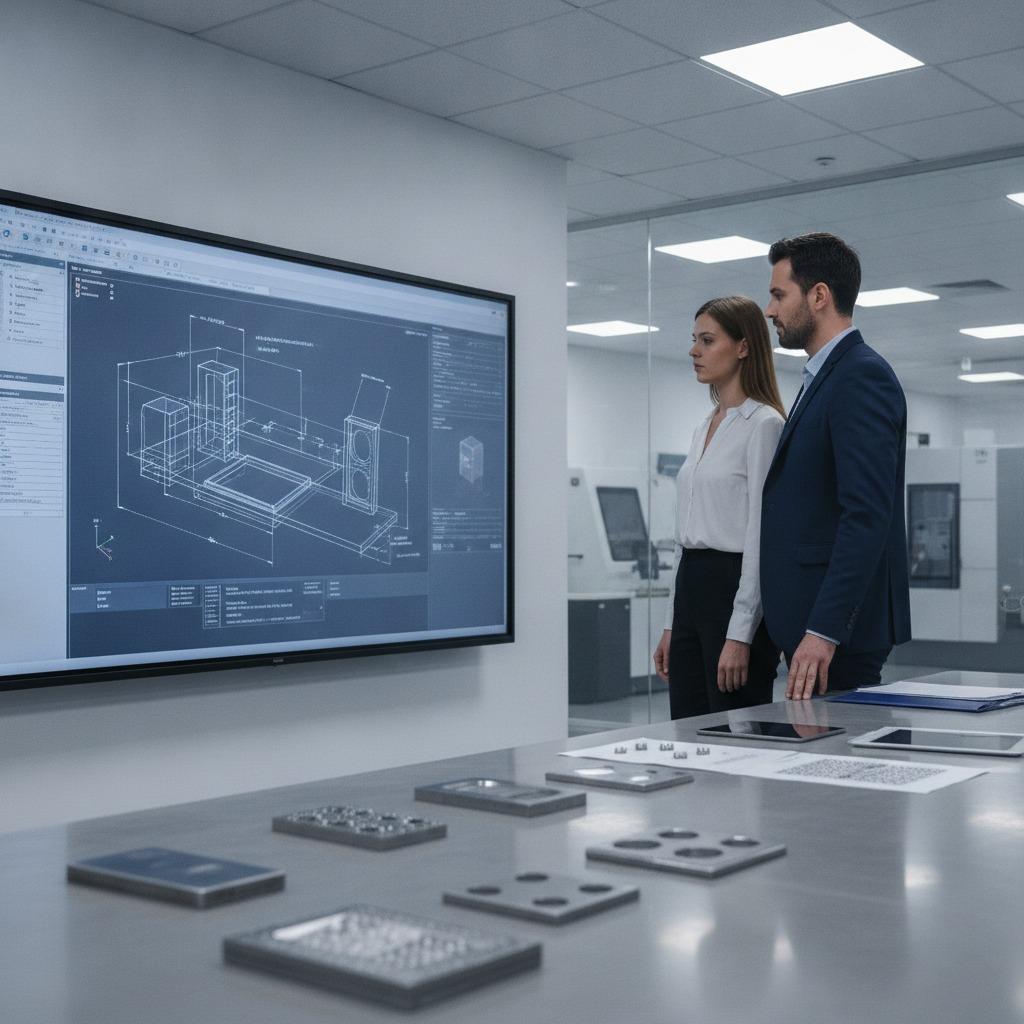
Warum eine maßgefertigte MMO-Titananode oft darüber entscheidet, ob ein System reibungslos läuft oder zu einem Wartungsproblem wird.
Kundenspezifische Titananode: Wenn Ingenieure und Beschaffungsteams mit dem Vergleich korrosionsbeständiger Elektrodenoptionen beginnen, kundenspezifische MMO-Titananode Das Problem tritt meist aus einem Grund auf: Standardteile passen nicht immer zur Geometrie, Stromverteilung oder den Betriebsbedingungen des jeweiligen Tanks, der Zelle oder der Anlage. Diese Diskrepanz führt zu Leistungsproblemen. Eine gut gewählte Anode kann ein stabiles elektrochemisches Verhalten gewährleisten und ungeplante Ausfallzeiten reduzieren, die die Geduld des Wartungspersonals strapazieren.
Die Entscheidung lautet selten einfach „Titan oder nicht“. Käufer stehen meist vor einer praktischeren Frage: Wie lässt sich eine gleichbleibende Leistung eines Bauteils erzielen, das eine bestimmte Form, ein spezifisches Kontaktmuster und eine bestimmte Betriebsumgebung aufweisen muss? In vielen Projekten ist die kundenspezifische Konfiguration ebenso wichtig wie das Basismaterial. Deshalb werden kundenspezifische MMO-Titananoden für Nachrüstungen, Austauschprogramme und Neubauten spezifiziert, bei denen Standardgeometrien einen Kompromiss darstellen würden.
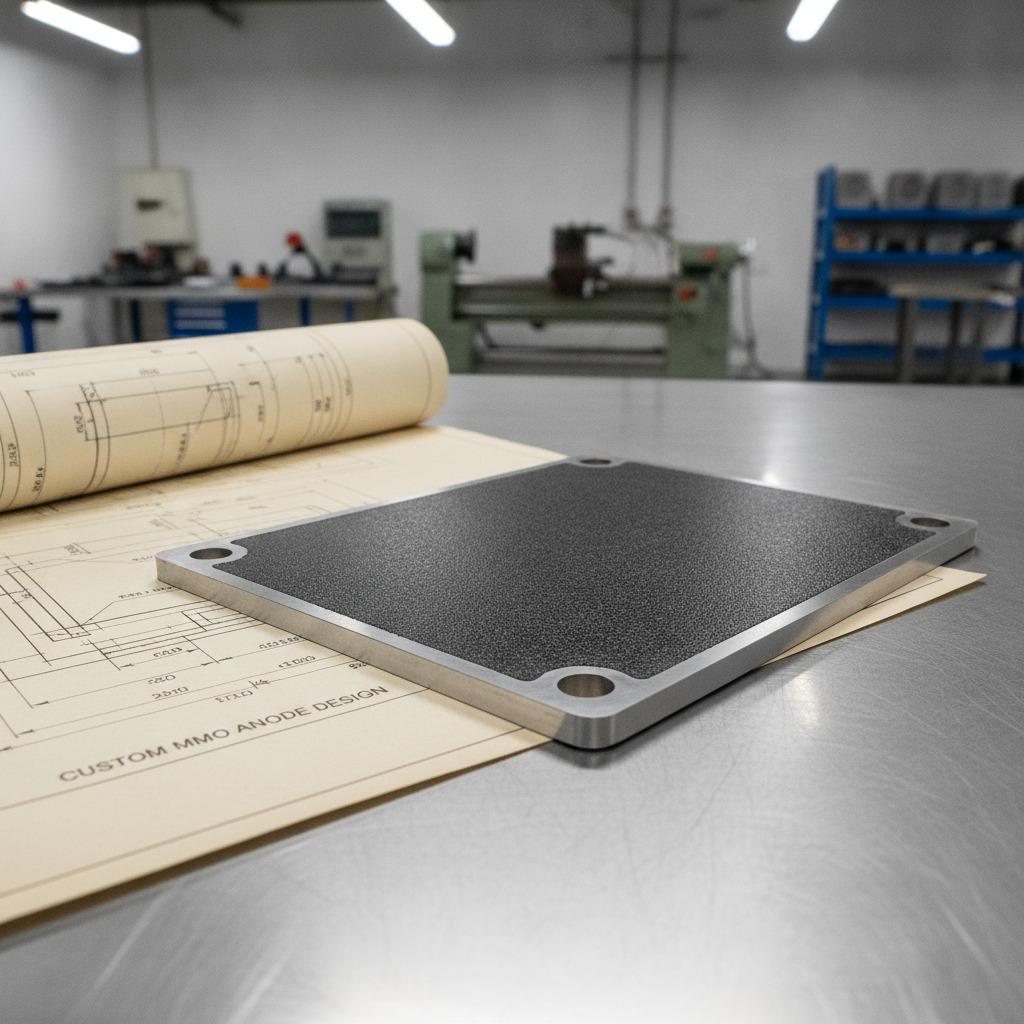
Was der Käufer eigentlich lösen will
MMO-Beschichtungen (Mischmetalloxid) werden eingesetzt, da sie ein Titansubstrat mit einer für elektrochemische Eigenschaften optimierten aktiven Oberfläche kombinieren. Das Titan bildet eine leichte und robuste Basis; die Beschichtung übernimmt die elektrochemische Funktion an der Oberfläche. Vereinfacht gesagt: Der Käufer wünscht sich eine Anode, die zuverlässig funktioniert und dabei nicht ständig Umwelteinflüssen ausgesetzt ist.
Dies ist besonders wichtig bei Systemen mit ungünstigen Abmessungen, ungleichmäßiger Stromlast oder der Notwendigkeit, die Aktivität über einen größeren Bereich zu verteilen. Ein kundenspezifisches Bauteil lässt sich präziser an die Anwendung anpassen als ein Standardbauteil. Für Ingenieure bedeutet dies weniger Hotspots, bessere Passgenauigkeit und weniger mechanische Umwege. Für Einkaufsmanager bedeutet es weniger Nachjustierungen vor Ort und weniger Probleme mit Teilenummern nach der Inbetriebnahme.
Wo individuelle Geometrie wichtiger ist, als man erwartet
Einer der häufigsten Fehler ist die Annahme, die Anode sei lediglich ein Standardbauteil. Das ist sie nicht. Form, Montageart, Abstand und Oberfläche beeinflussen das Systemverhalten. Eine kundenspezifische MMO-Titananode kann erforderlich sein, wenn die Anordnung Interferenzen mit anderen Geräten vermeiden muss, wenn der Installationsraum eng ist oder wenn der Strompfad präziser gesteuert werden muss, als es mit einem Standardbauteil möglich ist.
Deshalb gehen Sonderanfertigungen oft mit praktischen Fertigungsfragen einher. Käufer sollten prüfen, ob sich die Konstruktion problemlos von der Zeichnung in die Produktion umsetzen lässt, ob die Befestigungsdetails robust sind und ob das fertige Teil einfach zu verpacken, zu handhaben und zu montieren ist, ohne die aktive Oberfläche zu beschädigen. Kleine Details können teuer werden, sobald die Teile in einem Wartungskit enthalten sind und ein Techniker unter Zeitdruck steht.
Auswahlkriterien, die im Gespräch bleiben sollten
Auch ohne genaue Materialqualitäten oder Prüfdaten kann ein Käufer die Spezifikation systematisch bewerten. Beginnen Sie mit dem Untergrund und dem Beschichtungskonzept. Betrachten Sie anschließend die Betriebsumgebung, die erforderliche Lebensdauer, den aktuellen Bedarf und die baulichen Gegebenheiten der Installation. Diese Grundlagen sollten die Diskussion bestimmen, bevor sich jemand allein vom Preis ablenken lässt.
Für Einkaufsteams ist es wichtig zu fragen, ob der Lieferant die wiederholte Fertigung desselben Profils gewährleisten kann. Kundenspezifische Teile sind nur dann sinnvoll, wenn sie von Charge zu Charge gleichbleibend sind. In der Fertigung ist die Gleichmäßigkeit genauso wichtig wie das erste Muster. Ein Teil, das zunächst passt, später aber Abweichungen aufweist, birgt ein potenzielles Beschaffungsproblem.
Praktische Käuferprüfungen
Bitten Sie um Bestätigung der Zeichnung, Angaben zur Oberfläche, Details zum Beschichtungsprozess (sofern verfügbar) und Hinweise zur Handhabung, die den Schutz der aktiven Oberfläche vor der Installation gewährleisten. Bei sensiblen Anwendungen fragen Sie nach der Verpackung und ob Kantenschutz oder isolierende Trennwände erforderlich sind. Das sind zwar keine spannenden Fragen, aber sie verhindern vermeidbare Schäden.
Häufige Fehler, die Projekte verlangsamen
Der erste Fehler besteht darin, alle Titananoden als austauschbar zu betrachten. Der zweite Fehler ist die Festlegung einer Sonderform, ohne die Zugänglichkeit für die Installation zu berücksichtigen. Eine ausgeklügelte Zeichnung auf dem Papier kann sich als Ärgernis erweisen, wenn ein Techniker sie vor Ort nicht sauber montieren kann.
Ein weiteres häufiges Problem ist, dass die Anfrage zu viele Details unbestimmt lässt. Wenn die Zeichnung die kritischen Schnittstellen nicht klarstellt, kann der Lieferant eine Interpretation verwenden, die zwar technisch der Skizze entspricht, aber nicht der Baugruppe. So kommt es zu Verzögerungen. Ein umsichtiger Einkäufer sollte außerdem vermeiden, kosmetische Details, die die Funktion nicht beeinträchtigen, übermäßig zu spezifizieren, da dies die Kosten erhöht, ohne das Ergebnis zu verbessern.
Wie ein gutes Beschaffungsgespräch aussieht
Eine aussagekräftige Angebotsanfrage für eine kundenspezifische MMO-Titananode sollte mehr beinhalten als nur eine Preisanfrage. Sie sollte die Anwendung, die Montagebedingungen, den Zeichnungsstatus, die erwartete Produktionsgenauigkeit und etwaige Installationsbeschränkungen detailliert beschreiben. Falls Muster Teil des Prozesses sind, muss klar sein, ob es sich um Prototypen, Vorserienstücke oder Fertigprodukte handelt. Diese Unterscheidung ist wichtiger, als manche Teams zugeben.
Für funktionsübergreifende Teams ist es entscheidend, dass Entwicklung und Einkauf eng zusammenarbeiten. Die Entwicklung legt möglicherweise größten Wert auf aktuelle Vertriebskanäle und Passgenauigkeit. Der Einkauf hingegen konzentriert sich vor allem auf Wiederholgenauigkeit und Lieferantenkontrolle. Eine sinnvolle Spezifikation berücksichtigt beides. Werden diese Aspekte frühzeitig aufeinander abgestimmt, verläuft das Projekt in der Regel später schneller.
Häufig gestellte Fragen
Ist eine individuell angepasste Version immer besser als eine Standardversion?
Nein. Standardteile können die richtige Lösung sein, wenn Geometrie und Betriebsbedingungen einfach sind. Eine kundenspezifische Anpassung ist dann gerechtfertigt, wenn Passform, Abdeckung oder Einbaubeschränkungen ein Standardteil zu einem Kompromiss machen.
Welche Fragen sollte ich stellen, bevor ich einen Entwurf genehmige?
Erkundigen Sie sich, wie das Teil hergestellt wird, wie die Beschichtung geschützt wird, welche Annahmen für die aktive Fläche getroffen wurden und wie die Wiederholgenauigkeit in der Produktion kontrolliert wird.
Was ist das größte versteckte Risiko?
Üblicherweise liegt es nicht am Basismaterial. Es ist eine Diskrepanz zwischen der Zeichnung, der Installationsmethode und der realen Betriebsumgebung.
Nächster Schritt
Wenn Sie verschiedene Optionen für eine kundenspezifische MMO-Titananode vergleichen, beginnen Sie mit den Anwendungsdetails anstatt mit der Teilenummer. Eine kurze, präzise Zeichnungsprüfung und ein Gespräch über die Betriebsbedingungen sparen mehr Zeit als eine lange Katalogsuche. Genau daran erinnern sich Käufer später, in der Regel nach der ersten erfolgreichen Installation.