
 DE
DE  EN
EN  ZH
ZH  JA
JA 
Der Blog
Hochleistungs-Titananode für die Elektrolyse: Worauf Käufer achten sollten
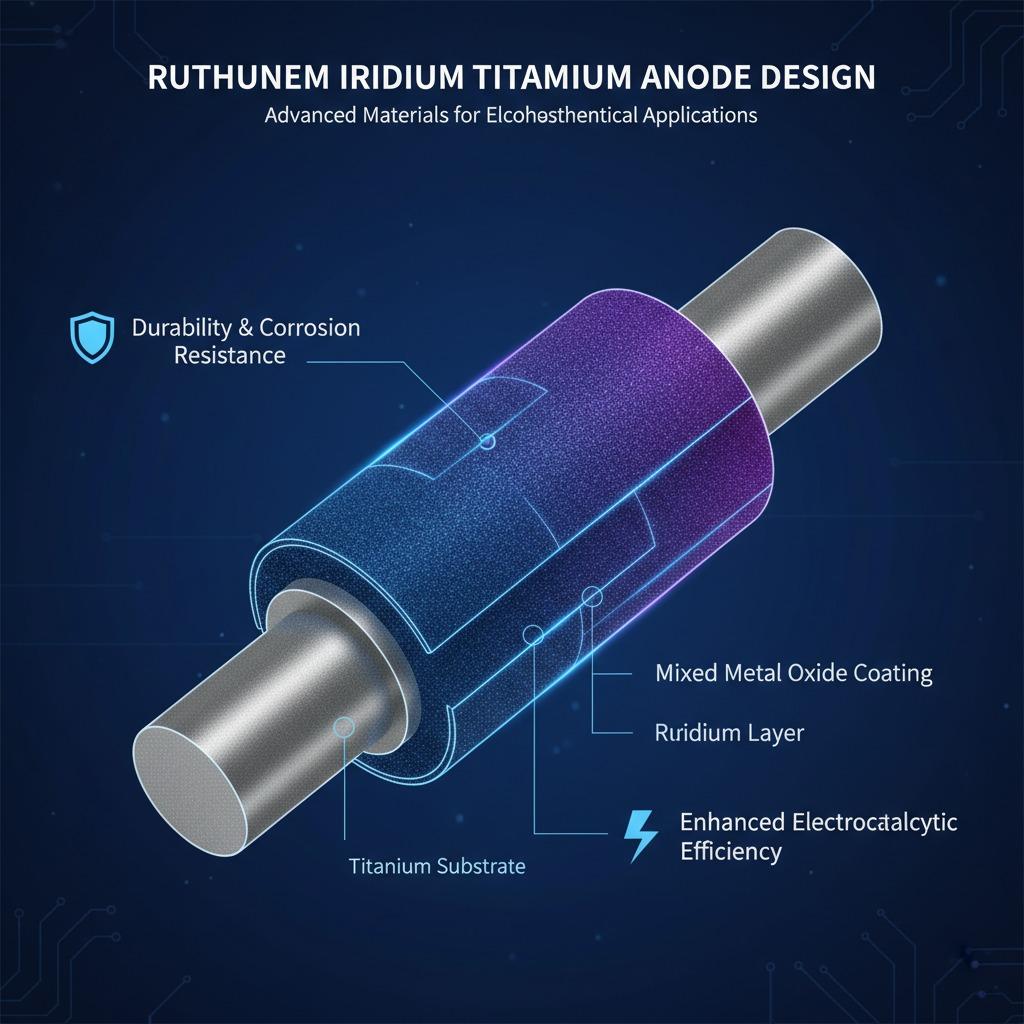
Warum Käufer eine Hochleistungs-Elektrolyse-Titananode genau unter die Lupe nehmen
Bei der Suche nach einer Hochleistungs-Titananode für die Elektrolyse lautet die entscheidende Frage meist nicht „Welche Anode ist es?“, sondern „Welche Ausführung gewährleistet einen stabilen und effizienten Betrieb der Zelle und rechtfertigt den Wartungsaufwand?“ In Elektrolysesystemen können bereits geringfügige Unterschiede im Anodendesign die Stromverteilung, die Lebensdauer, die Reinigungshäufigkeit und letztendlich die Prozesskonsistenz beeinflussen. Dies ist relevant, unabhängig davon, ob die Anlagen in der industriellen Wasseraufbereitung, der chemischen Verarbeitung, in Trägersystemen für die Galvanotechnik oder in anderen elektrisch anspruchsvollen Anwendungen eingesetzt werden.
Eine Titananode wird häufig gewählt, da Titan eine vorteilhafte Kombination aus Festigkeit und Korrosionsbeständigkeit bietet. Die aktive Oberfläche wird in der Regel an die jeweilige elektrochemische Aufgabe angepasst. Käufer, die verschiedene Optionen vergleichen, möchten üblicherweise wissen, wie das Bauteil aufgebaut und montiert ist und ob es wiederholte Betriebszyklen ohne hohen Wartungsaufwand bewältigen kann. Diese Entscheidung ist besonders wichtig in Systemen, in denen Ausfallzeiten teurer sind als das Bauteil selbst.
Was Ihnen das Produktformular vor den Spezifikationen mitteilt
Die in den bereitgestellten Daten dargestellte Produktkategorie ist kein Konsumartikel, sondern ein Satz langer, schmaler Industrieleisten oder -profile mit regelmäßig angeordneten Befestigungsköpfen und Gewindebolzen an einem Ende. Die Form deutet auf ein lineares Bauteil hin, das für die Montage, Klemmung oder Verbindung entlang einer geraden Strecke konzipiert ist. In der Praxis wird diese Geometrie häufig dort eingesetzt, wo ein gleichmäßiger elektrischer Kontakt oder eine gleichmäßige mechanische Abstützung erforderlich ist.
Die dunkelgrauen oder schwarzen, matt-satinierten Gehäuse, der gleichmäßige Abstand der Befestigungselemente und die doppelten Gewindeanschlüsse an einem Ende deuten auf ein vormontiertes Industriebauteil hin. Es könnte Teil einer elektrischen Baugruppe, ein Leiterstreifen oder ein angeschlossenes Elektrodenelement sein. Ohne gesicherte Daten wäre ich vorsichtig, es als spezifische Stromschiene, Heizleiste oder Elektrode zu bezeichnen. Fest steht jedoch, dass das Bauteil für die lineare Montage und wiederholte Befestigungspunkte ausgelegt ist – ein Detail, das auch bei industriellen Elektrolyseanlagen von Bedeutung ist.
Was macht eine Titananode in der Praxis „hochleistungsfähig“?
Im Fachjargon der Käufer bedeutet hohe Leistung in der Regel mehr als nur hochwertiges Rohmaterial. Sie bedeutet oft, dass die Anode einen stabilen Betrieb unter der erwarteten Stromdichte ermöglicht, eine vorhersagbare Leitfähigkeit über die gesamte Arbeitsfläche bietet und vorzeitiger Alterung im gewählten Elektrolyten widersteht.
Wichtige Leistungsaspekte
Ein seriöser Käufer prüft in der Regel Folgendes:
– Eignung des Basismetalls, wobei Titan dort eingesetzt wird, wo Korrosionsbeständigkeit und strukturelle Integrität von Bedeutung sind.
– Gegebenenfalls Oberflächenbehandlung oder Beschichtung, da die aktive Schicht das elektrochemische Verhalten oft stärker bestimmt als das Substrat.
– Geometrie, insbesondere wenn das Teil in eine lange, schmale Zelle oder einen linearen Rahmen passen muss.
– Befestigung und Anschluss, da eine mangelhafte Verbindungskonstruktion zu Hotspots, ungleichmäßiger Belastung oder unerwünschten Ausfällen führen kann.
– Wartungszugang, der bei Mehrfachstreifen-Baugruppen und modularen Zellen wichtig wird.
Dieser letzte Punkt wird leicht übersehen. Eine Anode, die auf dem Papier robust erscheint, kann sich in der Praxis dennoch als unpraktisch erweisen, wenn die Montagepunkte beengt sind oder die Anschlüsse nicht gut zugänglich sind.
Wie man Optionen vergleicht, ohne sich in Marketingsprache zu verlieren
Bei der Beurteilung einer Titananode für die Elektrolyse ist es hilfreich, das Material von der Baugruppe zu trennen.
Das Substrat bildet die strukturelle Grundlage. Titan ist attraktiv, weil es leicht und fest ist und sich im Allgemeinen besser für aggressive Umgebungen eignet als herkömmlicher Stahl.
Die Arbeitsfläche bildet die elektrochemische Grenzfläche. Je nach Prozess kann die aktive Oberfläche für unterschiedliche Reaktionen und Stabilitätsprofile ausgelegt sein.
Die Montagedetails sind der praktische Aspekt. Gewindebolzen, Klemmstellen, Befestigungsabstände und die Geradheit der Stange beeinflussen Installation und Wartung. Ein Käufer, der diesen Teil auslässt, erhält möglicherweise eine technisch einwandfreie Anode, die sich nur schwer in die Maschine integrieren lässt.
Zeigt der Lieferant ein langes Streifenformat mit wiederholten Befestigungspunkten, deutet dies darauf hin, dass die Konstruktion für verteilte Kontakte oder modulare Installationen vorgesehen ist. Es unterstreicht zudem die Wichtigkeit, Ausrichtung und Verbindungsqualität über die gesamte Länge und nicht nur am Ende zu prüfen.
Häufige Fehler von Käufern
Ein häufiger Fehler ist die Annahme, dass alle Titananoden austauschbar seien. Das sind sie nicht. Elektrolyt, Einschaltdauer und Betriebstemperatur beeinflussen die richtige Auslegung.
Ein weiterer Fehler besteht darin, sich nur auf das sichtbare Grundmetall zu konzentrieren. In vielen Elektrolysesystemen sind die Oberflächenschicht und die Qualität der elektrischen Grenzfläche genauso wichtig wie das Substrat.
Ein dritter Fehler besteht darin, den Wert einer einfachen mechanischen Konstruktion zu unterschätzen. Mehrere identische Streifen mögen simpel erscheinen, doch gleichmäßige Abstände und eine saubere Ausführung der Anschlüsse können Installationsfehler reduzieren und zu einem zuverlässigeren Systembetrieb beitragen.
Praktische Käuferhinweise vor der Bestellung
Erfragen Sie die genaue Funktion des Bauteils im Elektrolysesystem, nicht nur die Produktbezeichnung. Fordern Sie Zeichnungen oder bemaßte Abbildungen an, falls die Baugruppe in ein bestimmtes Gehäuse passen muss. Klären Sie die Anschlussanordnung, die Art der Befestigungselemente und ob das Bauteil für eine bestimmte Maschinenfamilie oder für eine kundenspezifische Anpassung vorgesehen ist.
Kann der Lieferant die Arbeitsbedingungen nicht klar erläutern, ist Vorsicht geboten. Elektrolyseanlagen, die in einer bestimmten chemischen Umgebung gut funktionieren, können in einer anderen Probleme bereiten. Das ist kein Fehler, sondern liegt in der Funktionsweise dieser Systeme.
Häufig gestellte Fragen
Ist jede Titananode für die Elektrolyse geeignet?
Nein. Titan ist zwar ein gängiger Basiswerkstoff, die Eignung hängt jedoch vom Herstellungsverfahren, der Oberflächenbehandlung und den Betriebsbedingungen ab.
Warum ist die Detailgenauigkeit der Montage so wichtig?
Da elektrischer Kontakt, Anpressdruck und Geometrie Leistung und Wartung beeinflussen, kann selbst ein gut gefertigtes Gehäuse als System versagen, wenn die Verbindungsstellen mangelhaft sind.
Was sollte ich einen Lieferanten als Erstes fragen?
Beginnen Sie mit der Anwendung, den Abmessungen, der Anschlussmethode und dem vorgesehenen Elektrolyten oder der Betriebsumgebung.
Nächster Schritt für Ingenieure und Beschaffungsteams
Wenn Sie eine Hochleistungs-Titananode für die Elektrolyse in die engere Auswahl nehmen, vergleichen Sie das Bauteil sowohl als Material als auch als Systemkomponente. So vermeiden Sie in der Regel teure Überraschungen im Nachhinein. Falls Sie Hilfe bei der Auswahl der passenden Konfiguration benötigen, bitten Sie den Lieferanten um Zeichnungen, Installationshinweise und eine genaue Erklärung der Funktionsweise der Anode im Gesamtsystem – nicht nur isoliert.