
 JA
JA  EN
EN  ZH
ZH  DE
DE 
ブログ
クロルアルカリチタン陽極板:購入者が比較すべき点
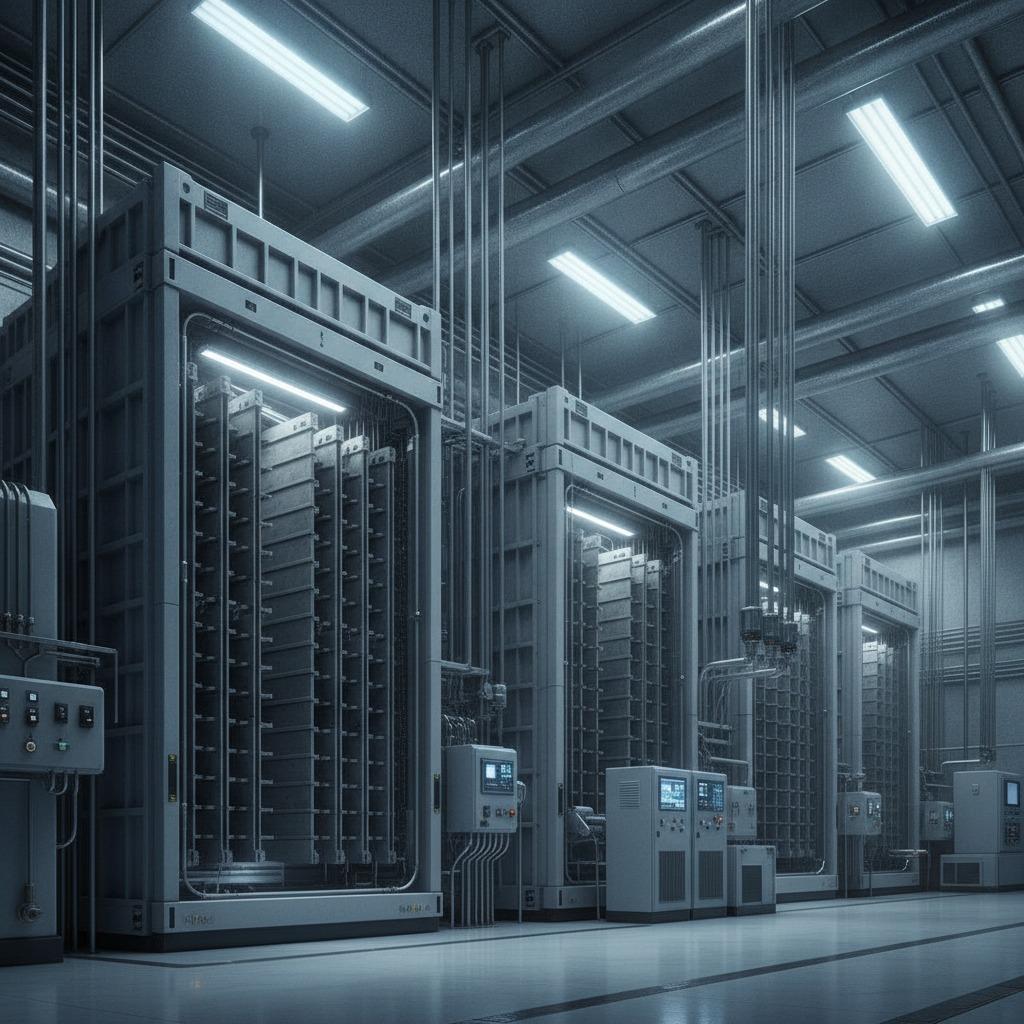
Why chlor-alkali anode selection is not a small procurement detail
A chlor-alkali titanium anode plate sits at the center of one of the most demanding electrochemical processes in industry. In chlor-alkali service, small differences in substrate quality, coating system, geometry, and installation practice can show up later as higher energy use, shortened service life, or unstable cell operation. That is why engineers and sourcing managers usually treat the anode as more than a line item. They are really buying process stability.
If you are comparing options, the real question is not simply “which plate is cheapest?” It is which plate is suitable for the cell design, the operating chemistry, and the current density target. That decision affects power consumption, maintenance intervals, and how often the plant has to intervene in the cell room. Those are the costs that matter.
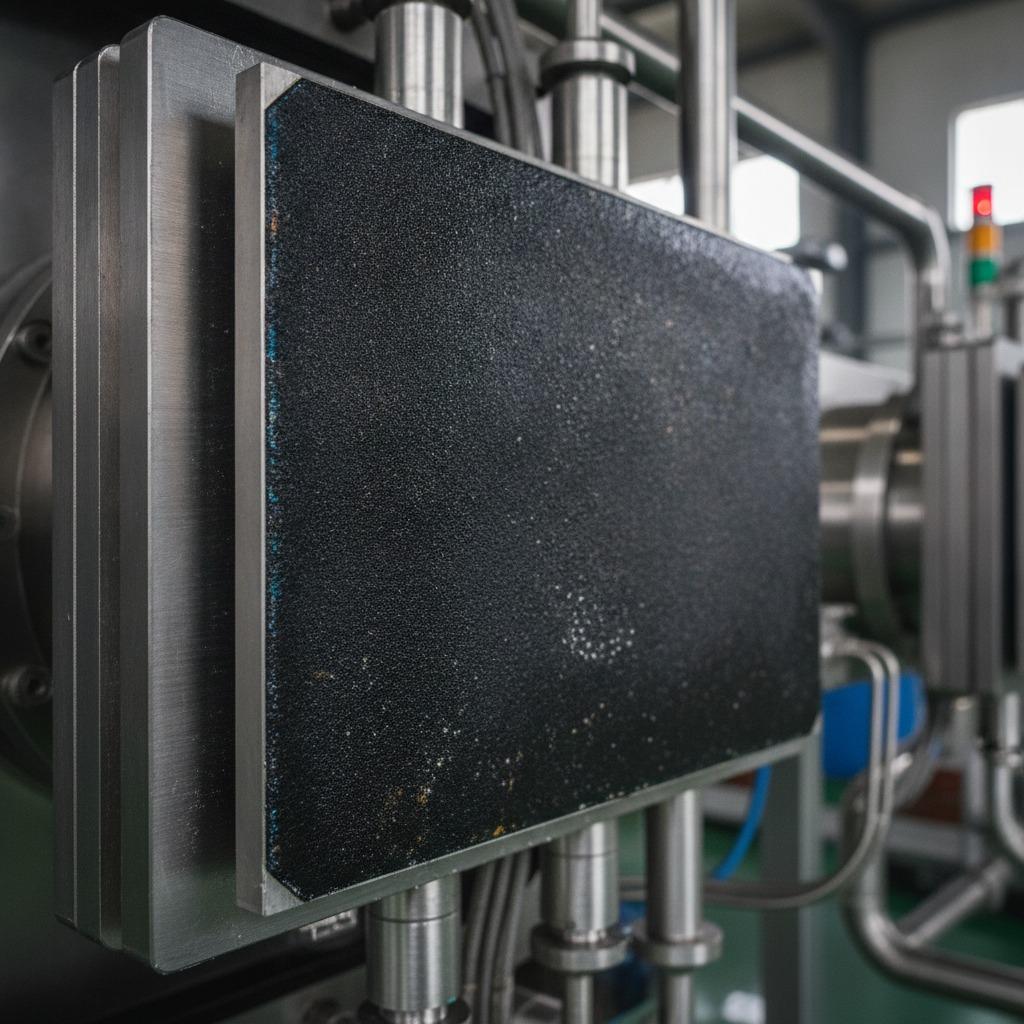
What a chlor-alkali titanium anode plate does
In chlor-alkali production, titanium is commonly used as the substrate because it offers a practical balance of corrosion resistance and mechanical strength in aggressive electrolytic environments. The plate itself is not the active surface for long. Its value lies in carrying the electrocatalytic coating that enables the intended reaction while the titanium base provides structural support.
The plate geometry matters because the anode is part of an electrical and fluid-flow system, not just a piece of metal. Flatness, edge condition, and dimensional consistency can influence mounting, current distribution, and local wear. In a crowded cell, a few small imperfections can become expensive annoyances.
Common construction features buyers should look for
Most chlor-alkali titanium anode plate assemblies rely on a titanium substrate with a coated active layer. The exact coating formulation depends on the process and supplier design, but the procurement conversation usually centers on the same practical concerns: adhesion, coating uniformity, substrate preparation, and how the plate behaves after repeated exposure to the operating environment.
Ask how the plate is made, not just what it is made from. Surface preparation before coating is a major factor in performance. So is the quality of cut edges, holes, and contact points. A clean-looking plate is not automatically a durable one, but poor workmanship is often visible if you know where to look.
Selection criteria that matter in real plant conditions
Compatibility with the cell design
The first filter is fit. The anode plate must match the cell geometry, spacing, and mounting arrangement. A supplier can offer a technically sound plate that is still wrong for your equipment if the dimensions, fixing points, or current path do not align.
Operating chemistry and current load
Chlor-alkali cells are unforgiving about operating windows. The plate should be chosen with the actual process conditions in mind, including expected current loading and exposure to corrosive species. Buyers sometimes focus on nominal material and ignore the duty cycle. That is where surprises begin.
Maintenance philosophy
Some plants want the longest possible service interval; others prefer easier replacement and lower upfront cost. Those are different buying strategies. The better choice depends on whether downtime, labor, or inventory carrying cost is the dominant pain point.
What can go wrong if the plate is underspecified
Underspecifying a chlor-alkali titanium anode plate can lead to uneven current distribution, accelerated coating wear, and more frequent corrective maintenance. If the substrate preparation is poor, coating adhesion can suffer. If the plate shape is inconsistent, installation can become slower and less repeatable. And if the plate is chosen only on price, hidden costs often appear later in the form of efficiency loss or replacement frequency.
One practical caution: buyers should not assume all titanium anodes are interchangeable just because they share the same base metal. Coating system, fabrication quality, and application fit are as important as the substrate itself.
Useful buyer questions for suppliers
Before placing an order, ask for enough information to compare options in a disciplined way. How is the titanium prepared before coating? What plate dimensions and mounting features are standard? Can the supplier support your cell configuration? What inspection checks are performed on geometry and coating consistency? Those questions do not require exotic technical language, only a supplier willing to answer plainly.
If a vendor cannot clearly explain the product’s intended operating envelope, that is a signal to slow down.
Quick reference: what decision this article helps you make
This is ultimately a sourcing decision about performance risk. You are balancing fit, durability, electrical behavior, and maintainability. The right chlor-alkali titanium anode plate should integrate cleanly into the cell, support stable operation, and avoid creating maintenance work that was never in the budget.
よくある質問
Is titanium alone enough for chlor-alkali service?
Usually not by itself. The titanium substrate provides structural and corrosion-resistance benefits, but the active performance depends on the coated surface system.
Why does plate geometry matter so much?
Because the plate sits inside an electrical process. Geometry influences contact, spacing, flow behavior, and current distribution.
Should buyers prioritize lowest price?
Only if they are willing to accept more risk in service life and operating consistency. In this category, the cheapest option is often not the least expensive over time.
次のステップ
If you are comparing chlor-alkali titanium anode plate options, build the evaluation around cell fit, coating quality, and operating conditions first. Then compare suppliers on documentation, fabrication consistency, and the clarity of their technical support. That is a more reliable path than treating all anodes as interchangeable.