
 JA
JA  EN
EN  ZH
ZH  DE
DE 
ブログ
電気化学工業用陽極板:調達前に確認すべき事項
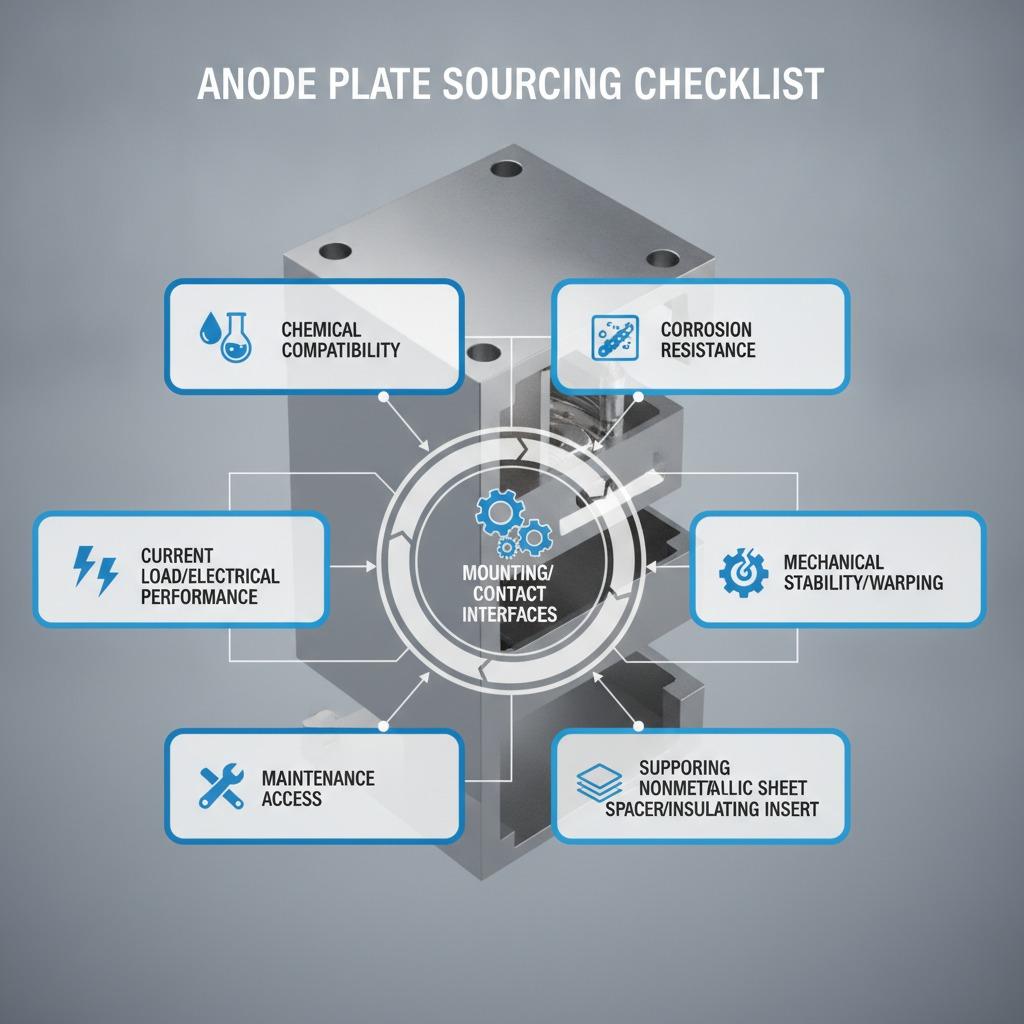
What an electrochemical industry anode plate has to do well
An electrochemical industry anode plate is not the kind of part that gets much attention until something goes wrong. In plating lines, electrolysis cells, and related process equipment, the anode has to carry current, survive corrosive exposure, and stay dimensionally stable enough to do its job without creating downtime. That sounds straightforward, but in practice the plate is one of the parts that quietly determines current distribution, maintenance intervals, and even how predictable the whole cell will be.
For sourcing teams and engineers, the real question is rarely “What is an anode plate?” It is “Which style of plate fits this process, this chemistry, and this maintenance plan?” That decision affects conductivity, corrosion resistance, weight, fabrication cost, and how often operators will need to clean or replace the component. In wet and aggressive environments, small compromises can become expensive quickly.
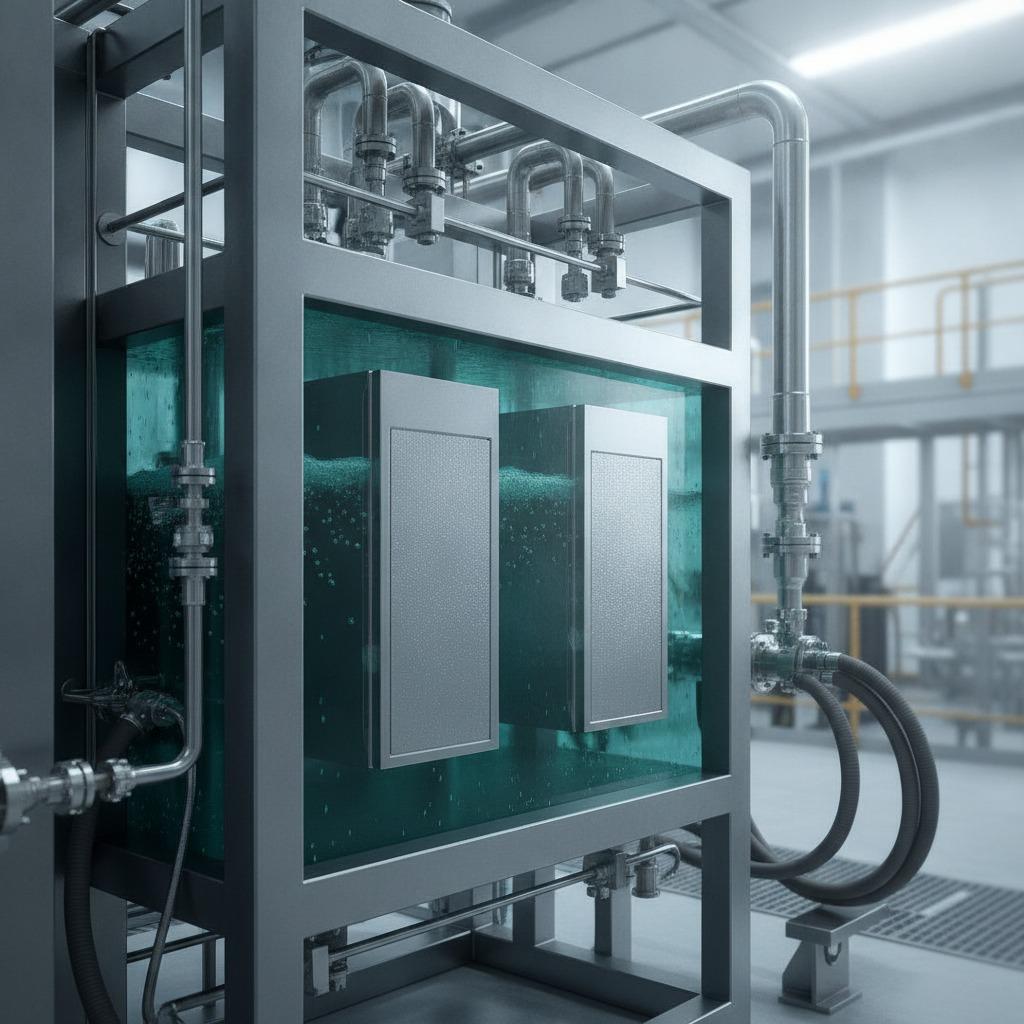
Start with the process, not the part
Before comparing materials or suppliers, define the process window. The same anode plate idea can be used in very different settings: electroplating, electrowinning, anodizing-related systems, specialty chemical processing, or lab-scale equipment. Each one puts a different burden on the plate.
Some plants need a plate that favors conductivity and easy machining. Others care more about chemical resistance or surface stability over long exposure. If the anode plate is part of a larger assembly, you also need to think about contact points, mounting features, spacing, and whether the plate must stay flat under load. These details sound small, but they often decide whether the cell runs evenly or starts showing hot spots and uneven deposition.
Common anode plate types and what they tend to optimize
Metal anode plates
These are typically chosen where electrical performance and mechanical robustness are central. The exact metal depends on the chemistry and the reaction environment. In some systems, the plate is expected to be conductive and structurally reliable rather than disposable. That usually pushes buyers toward a careful review of corrosion behavior, attachment method, and maintenance access.
Coated or protected anode plates
In harsher environments, a plate may rely on a protective layer or a specialized surface treatment. The coating choice matters because a surface that looks fine at installation can still fail early if the chemistry, temperature, or cleaning method is not a good match. A practical warning here: do not assume a coating specification alone tells the whole story. The substrate and the fabrication method matter too.
Assembly-based plate systems
Some installations use anode plates as part of a larger stack, frame, or fixture. In those cases, compatibility with spacers, seals, inserts, and insulating pieces becomes just as important as the plate itself. A good design is often a system, not a single component.
現場で実際に重要な選考基準
When buyers compare options, the list should be practical, not theoretical:
First, check chemical compatibility with the operating media. Second, confirm electrical performance under real current load, not just catalog assumptions. Third, look at mechanical stability: will the plate warp, crack, or loosen after repeated cycles? Fourth, consider manufacturability and replacement logistics. If a plate is difficult to source or machine, the total cost of ownership goes up fast.
Also pay attention to the interfaces around the plate. Hardware, gasket materials, insulating inserts, and mounting geometry can either support the design or create trouble. A plate that is technically sound can still underperform if the surrounding parts introduce leakage paths, stress points, or bad contact.
Where simple-looking sheet parts can still matter
Industrial assemblies often rely on plain flat cut pieces to support the main structure. A nonmetallic insert, spacer, or gasket-like part may be used to seal, space, insulate, or damp vibration around an anode plate system. These pieces are easy to overlook because they look minor, but they influence fit, safety, and serviceability.
The product example described here is a flat, dark, die-cut or precision-cut sheet piece with a tabbed shape and no visible fasteners or markings. That kind of geometry is common in industrial equipment, but the exact material cannot be assumed from appearance alone. In procurement, that is a reminder to verify the actual stock type before approving a replacement part. A black sheet can be a gasket, a spacer, a shim, or an insulating insert, and those functions are not interchangeable.
Common mistakes when specifying anode plates
One common mistake is over-focusing on dimensions while under-specifying operating conditions. Another is assuming that a plate used in one line will behave the same in another, even when chemistry or duty cycle has changed. Buyers also sometimes forget about maintenance access; if the plate is hard to inspect, clean, or replace, the plant pays for that later.
There is also a tendency to treat supporting parts as generic. In reality, the wrong spacer or insulating insert can create current leakage, uneven spacing, or mechanical stress that shortens service life. That is especially relevant in electrochemical systems, where small geometric differences can have outsized effects.
A practical buyer checklist
Ask suppliers for the material basis, fabrication method, and intended service environment. Confirm whether the plate is meant for conductive duty, structural support, or a hybrid role. If the design includes cut sheet components around the plate, verify their function separately rather than assuming they are just filler parts.
For production teams, it helps to keep a short internal note on what failed last time: corrosion, warping, bad fit, contact loss, or sealing issues. That history is often more useful than a generic spec sheet.
よくある質問
Can one anode plate design work across multiple processes?
Sometimes, but only if the chemistry, current density, and mechanical constraints are close enough. Reuse across applications should be treated cautiously.
Why do adjacent nonmetallic parts matter so much?
Because spacing, insulation, and sealing affect how the plate performs. A stable anode system depends on the surrounding assembly, not just the plate itself.
次のステップ
If you are sourcing an electrochemical industry anode plate or reviewing a replacement design, start by mapping the process conditions and the surrounding assembly, then compare material and fabrication options against that real operating picture. That approach usually prevents the most expensive mistakes before they reach the line.