ブログ
海洋電気防食陽極:効果的な海洋電気防食のための最重要戦略
Marine cathodic protection anode:Top 5 Ways Marine Cathodic Protection Enhances Your Vessel’s Longevity

Marine cathodic protection anode,Marine cathodic protection stands as a cornerstone in safeguarding ships and offshore structures from the relentless grip of corrosion caused by saltwater environments. This essential technique prevents the electrochemical deterioration of metals, ensuring that your maritime assets remain robust and reliable over time. In the world of boating and marine engineering, understanding how marine cathodic protection works can save you thousands in maintenance costs. Whether you’re a yacht owner or managing a fleet, integrating this system is non-negotiable for longevity.
1. Sacrificial Anode Systems: The First Line of Defense
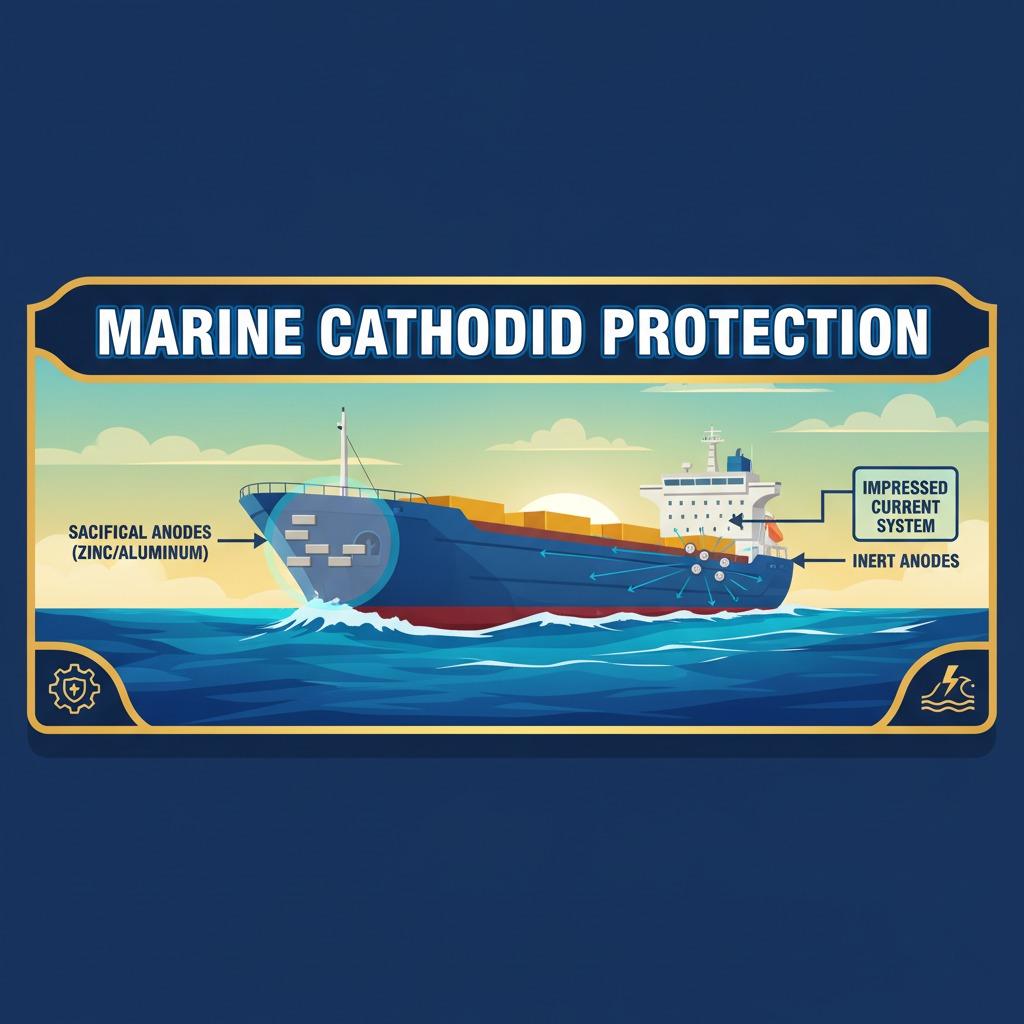
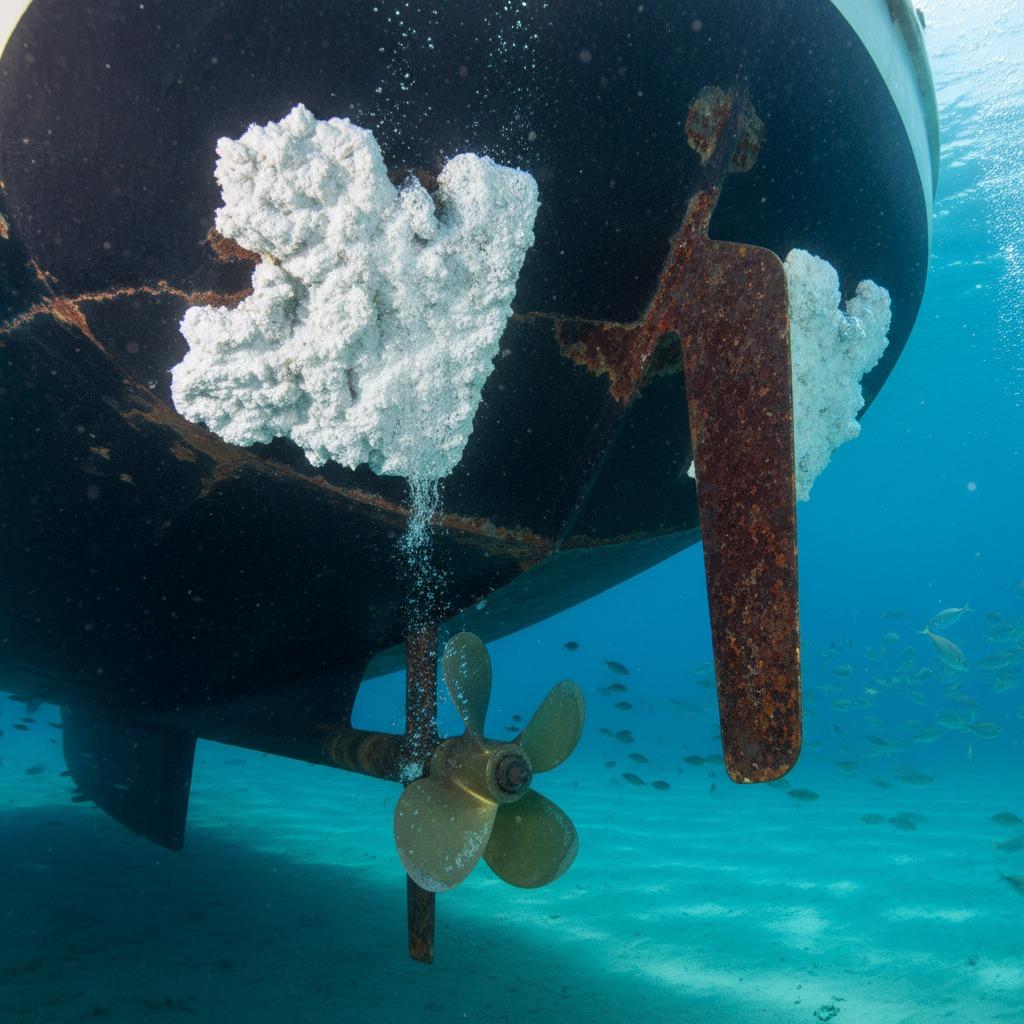
Marine cathodic protection anode,One of the most straightforward methods in marine cathodic protection is the use of sacrificial anodes, typically made from zinc, aluminum, or magnesium. These anodes are attached to the hull or underwater components of your vessel and corrode preferentially, protecting the more valuable metal structures. For instance, on a fiberglass boat, zinc anodes can be strategically placed near propellers and rudders to shield against galvanic corrosion. This approach is cost-effective and requires minimal maintenance—simply inspect and replace anodes annually. By employing sacrificial anodes as part of your marine cathodic protection strategy, you extend the life of your boat’s hardware, preventing pitting and weakening that could lead to structural failures during voyages.
2. Impressed Current Cathodic Protection: Advanced Power for Larger Vessels
For bigger ships or offshore platforms, impressed current cathodic protection (ICCP) takes marine cathodic protection to the next level. This system uses an external power source, like a rectifier connected to the ship’s electrical system, to apply a protective current to the hull. Inert anodes, often made from mixed metal oxide-coated titanium, distribute the current evenly, offering precise control over protection levels. ICCP is particularly effective in varying salinities, adjusting automatically to maintain optimal performance. Boat owners upgrading from smaller setups will appreciate how this method reduces anode consumption by up to 90%, making it a smart investment for long-term marine operations.
3. Hybrid Systems: Combining the Best of Both Worlds
Why choose between sacrificial and impressed current when you can have both? Hybrid systems in marine cathodic protection blend the reliability of anodes with the efficiency of electrical currents, ideal for vessels that operate in diverse conditions, such as coastal cruisers. These setups use a controller to monitor and switch between modes, ensuring continuous protection without over-reliance on batteries. For example, during docking in freshwater, the system might favor sacrificial anodes, while at sea, it shifts to impressed current for broader coverage. This versatility minimizes downtime and enhances safety, proving that adaptive marine cathodic protection is key for modern fleets.
4. Monitoring and Maintenance: Keeping Your Protection Proactive
Marine cathodic protection anode,Effective marine cathodic protection isn’t set-it-and-forget-it; regular monitoring is crucial. Install reference electrodes to measure the potential difference on your hull, aiming for a -0.85V reading to confirm protection. Annual surveys, including ultrasonic thickness gauging, help detect early corrosion signs. Pair this with high-quality coatings and paints for a multi-layered defense. By staying vigilant, you can avoid catastrophic failures, like those seen in untreated ships that suffer rapid hull degradation. Proactive maintenance not only prolongs asset life but also complies with international maritime standards, giving peace of mind on every journey.
5. Innovations in Materials: Lightweight and Durable Solutions
Marine cathodic protection anode,The future of marine cathodic protection is brighter with innovations like carbon fiber reinforcements in anode housings and protective panels. These lightweight materials resist corrosion themselves while supporting anodes, adding strength without extra weight—crucial for fuel efficiency in vessels. Imagine custom carbon fiber panel inserts integrated into your system’s framework, featuring lattice patterns for optimal seawater flow and cooling of electrical components. This not only bolsters marine cathodic protection effectiveness but also lends a sleek, modern look to your setup. As tech-savvy mariners adopt these advancements, they elevate both performance and aesthetics in harsh marine environments.
In summary, embracing these top strategies for marine cathodic protection transforms how you combat corrosion, ensuring your vessels sail stronger for years to come. From simple anodes to cutting-edge hybrids, the right approach tailored to your needs keeps the sea at bay.