
 JA
JA  EN
EN  ZH
ZH  DE
DE 
ブログ
チタン陽極を用いた電気めっき:精度と効率
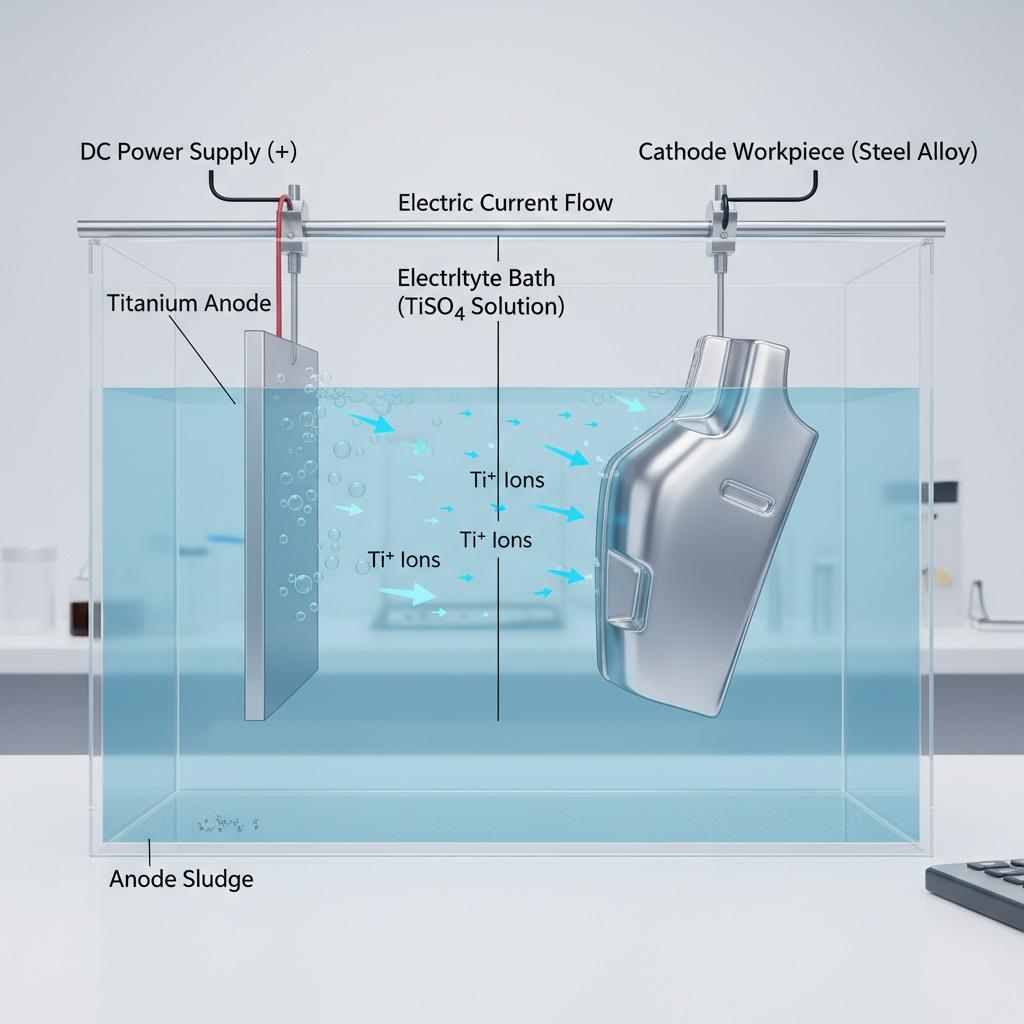
Understanding Titanium Anodes Electroplating
Titanium anodes electroplating represents a cutting-edge advancement in surface finishing technologies, where high-grade titanium serves as the anode material to facilitate efficient plating processes. This method is particularly valued in industries demanding precision and durability, such as manufacturing and engineering. By utilizing titanium anodes, electroplating achieves superior corrosion resistance and consistent performance, minimizing downtime and enhancing output quality. The integration of titanium anodes electroplating allows for the deposition of metals like nickel, chrome, and gold onto substrates, ensuring a uniform and adherent coating that withstands harsh conditions.
Benefits of Electroplating Anodes in Modern Applications
Electroplating anodes made from titanium offer unparalleled advantages over traditional materials, primarily due to their exceptional resistance to degradation in acidic or alkaline baths. These anodes, often coated with precious metals like platinum or iridium for mixed-metal oxide (MMO) configurations, ensure stable current distribution during the plating cycle. This leads to reduced waste of plating metals and lower operational costs, making titanium anodes electroplating a preferred choice for high-volume production environments. In sectors like aerospace and automotive, where components must endure extreme temperatures and mechanical stress, the reliability of electroplating anodes translates to longer service life and fewer replacements, ultimately boosting efficiency and profitability.
Titanium Electroplating: Precision and Efficiency
Titanium electroplating techniques leverage the unique properties of titanium to create anodes that optimize the electrochemical reaction. The process involves immersing the titanium anode in an electrolyte solution alongside the cathode workpiece, where an electric current drives metal ions to form a protective layer. Titanium electroplating excels in providing a polished, sleek finish that not only enhances aesthetic appeal but also improves functional attributes like wear resistance and conductivity. For instance, in decorative applications or hard chrome plating, titanium anodes electroplating ensures even deposition without pitting or irregularities, meeting stringent industry standards. Furthermore, the threaded surface design of advanced titanium anodes enhances conductivity, allowing for faster plating rates and energy savings.
Applications and Innovations in Titanium Anodes Electroplating
The versatility of titanium anodes electroplating extends to diverse fields, including electronics, where fine coatings are crucial for circuit boards, and medical devices requiring biocompatible surfaces. Innovations in electroplating anodes have led to custom designs tailored for specific bath chemistries, such as sulfate or cyanide-free solutions, promoting environmentally friendly practices. Titanium electroplating also supports decorative finishes in jewelry and consumer goods, delivering a lustrous appearance that rivals more expensive alternatives. As industries evolve, the adoption of these anodes continues to grow, driven by their ability to handle high current densities without compromising performance. Looking ahead, ongoing research into nanostructured coatings promises even greater enhancements in titanium anodes electroplating, solidifying their role in sustainable manufacturing.
Choosing the Right Titanium Anodes for Your Needs
Selecting appropriate electroplating anodes involves considering factors like anode size, coating type, and compatibility with your plating bath. Titanium anodes electroplating systems are engineered for easy integration into existing setups, whether for small-scale labs or large industrial lines. Their durability reduces the frequency of maintenance, allowing operators to focus on productivity rather than repairs. By investing in quality titanium electroplating solutions, businesses can achieve consistent results that elevate product quality and customer satisfaction. Ultimately, the shift to titanium-based anodes marks a strategic move toward more reliable and cost-effective electroplating processes.