未分类

探索钛带阳极在各行业的应用

Titanium Ribbon Anode Applications

titanium ribbon anode applications

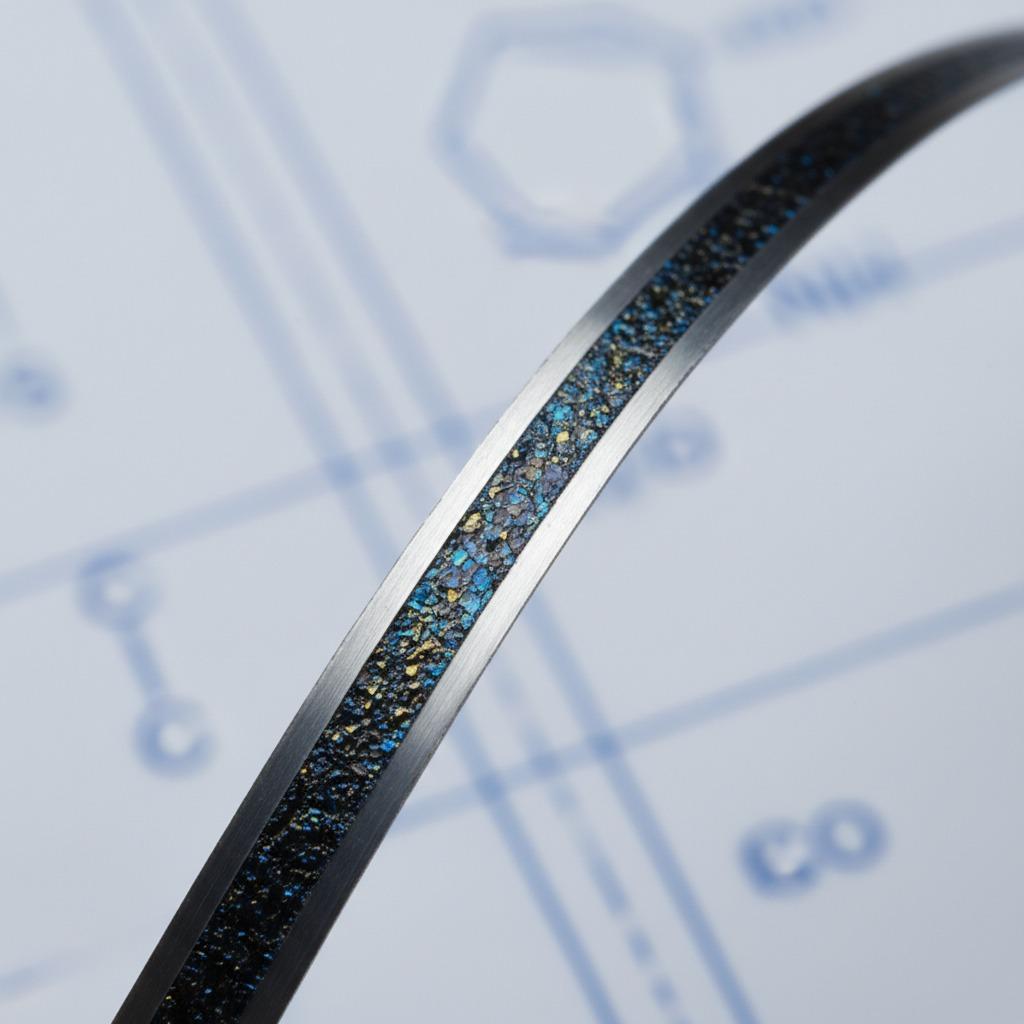
Titanium ribbon anode applications have become increasingly vital in various industries due to their exceptional corrosion resistance and durability. These anodes, made from high-grade titanium coated with mixed metal oxides, are slender, flexible strips designed for efficient current distribution in electrochemical processes. Primarily used in cathodic protection systems, titanium ribbon anodes excel in environments where traditional materials would degrade quickly, such as underground pipelines, marine structures, and storage tanks. Their lightweight design and high conductivity make them ideal for impressed current cathodic protection (ICCP), preventing corrosion by acting as the anode in a sacrificial setup. As industries push for longer-lasting solutions amid harsh conditions, understanding these applications helps in selecting the right technology for asset preservation.

Impressed Current Cathodic Protection in Oil and Gas Pipelines

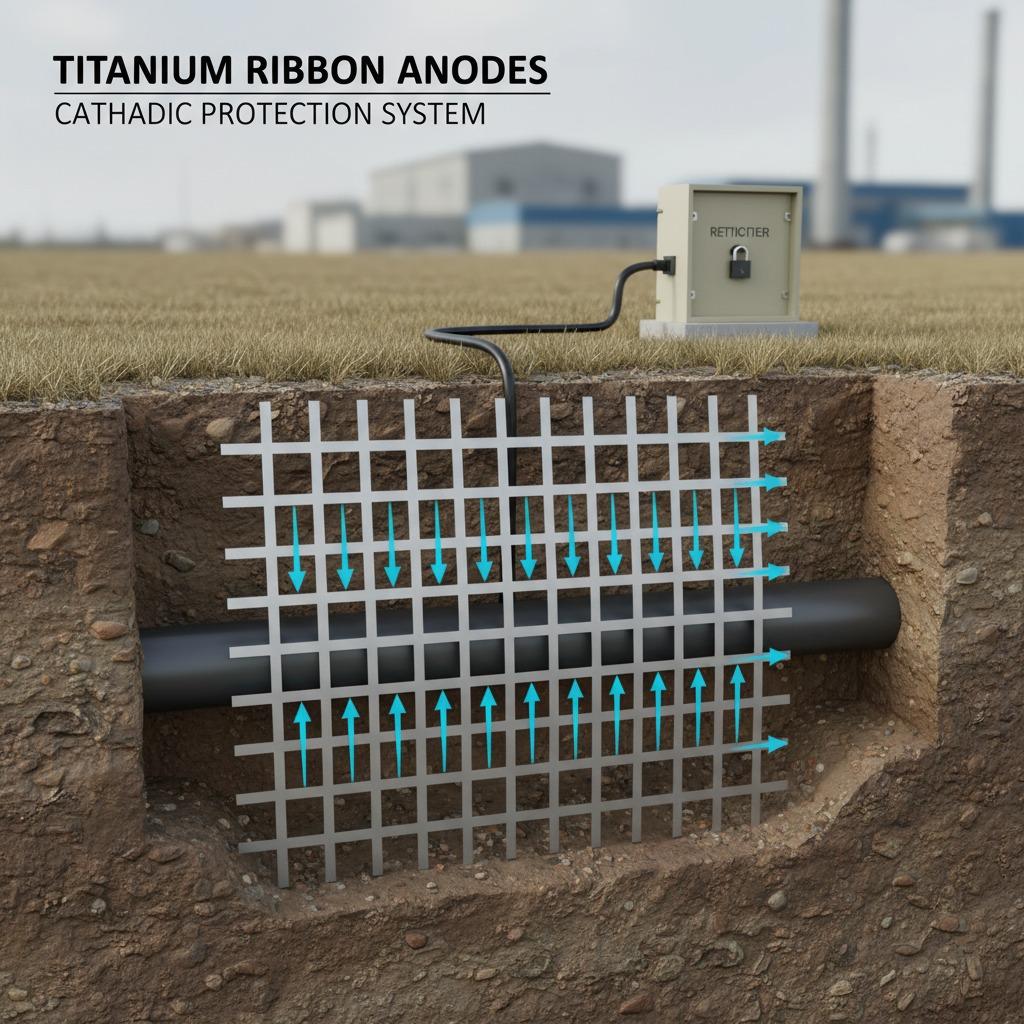
Ribbon titanium anode,One of the primary titanium ribbon anode applications is in the oil and gas sector, particularly for protecting buried pipelines. These pipelines span vast distances and are exposed to soil with varying moisture and salinity levels, which accelerate corrosion. Titanium ribbon anodes are installed in a grid or linear configuration along the pipeline, connected to a rectifier that supplies a steady direct current. This setup ensures uniform protection over large areas, with the ribbon’s thin profile allowing easy burial without disrupting the terrain. Studies from the corrosion engineering field show that these anodes can last up to 20-30 years in soil environments, far outpacing conventional graphite or high-silicon cast iron alternatives. For offshore pipelines, where seawater poses an even greater threat, titanium ribbon anodes are bundled into groups and suspended or placed in trenches, providing reliable shielding against galvanic corrosion. This application not only extends pipeline lifespan but also reduces maintenance costs, making it a go-to choice for energy companies worldwide.

Marine and Offshore Structures Protection

Ribbon titanium anode,In marine settings, titanium ribbon anode applications shine for safeguarding ships, offshore platforms, and harbor facilities. Seawater’s high conductivity and oxygen content make it a corrosive nightmare for steel structures, but these anodes counter that by distributing protective currents evenly across submerged surfaces. For instance, on ship hulls, ribbons are affixed in patterns that follow the contours, ensuring no blind spots in protection. Offshore oil rigs benefit from their use in jacket legs and pilings, where the anodes are deployed in deepwater zones to combat biofouling and electrolytic attack. The flexibility of the ribbon allows it to conform to irregular shapes, enhancing contact and efficiency. Research from naval architecture indicates that integrating titanium ribbon anodes in ICCP systems can reduce corrosion rates by over 90%, significantly lowering the risk of structural failures that could lead to environmental disasters. Additionally, their inert nature means they don’t release harmful byproducts, aligning with stringent marine environmental regulations.

Industrial Uses in Tanks and Water Treatment

Ribbon titanium anode,Beyond infrastructure, titanium ribbon anode applications extend to industrial tanks and water treatment facilities. In storage tanks for chemicals or fuel, these anodes prevent internal corrosion by lining the tank floors or walls, with the ribbon’s mesh-like structure promoting excellent electrolyte contact. This is crucial for industries handling aggressive substances like acids or brines, where standard anodes might dissolve prematurely. In water treatment plants, titanium ribbon anodes are employed in electrolysis processes for disinfection and metal recovery, leveraging their stability to generate chlorine or oxygen without degradation. For example, in impressed current systems for reinforced concrete structures like bridges or reservoirs, ribbons are embedded during construction to protect against chloride-induced corrosion. The versatility here is evident in their ability to operate at high current densities—up to 100 amps per square foot—while maintaining low consumption rates. Overall, these applications demonstrate how titanium ribbon anodes contribute to sustainable practices by minimizing material waste and downtime in critical operations.

Advantages and Future Prospects

Ribbon titanium anode,The appeal of titanium ribbon anode applications lies in their multifaceted advantages: superior longevity, ease of installation, and adaptability to diverse environments. Unlike bulkier anodes, the ribbon form factor reduces material usage without compromising performance, which is economically beneficial for large-scale projects. As technology advances, innovations like nanoscale coatings are enhancing their efficiency, potentially expanding uses into renewable energy sectors, such as protecting wind turbine foundations in saline waters. With global infrastructure aging and climate change intensifying corrosive conditions, the demand for these anodes is set to grow, underscoring their role in resilient engineering solutions. By choosing titanium ribbon anodes, industries not only safeguard assets but also promote eco-friendly corrosion management strategies.