新闻
铂涂层钛阳极:买家须知
Platinum Coated Titanium Anode: What Buyers Need to Know Before They Specify One
platinized titanium anode ,A platinum coated titanium anode is one of those components that looks simple on paper and becomes expensive to get wrong in practice. If you are sourcing for electroplating, water treatment, electrolysis, or other electrochemical equipment, the real decision is rarely just “titanium versus something else.” It is about coating stability, electrical performance, service environment, and whether the anode will still behave the same after long hours in a corrosive bath. That is the part engineers and purchasing teams need to sort out early.

The material pairing matters because titanium gives the anode structure and corrosion resistance, while platinum provides the active surface needed for efficient current transfer. In other words, the substrate carries the load; the noble coating does the work. That sounds straightforward, but the buying decision quickly turns into a question of duty cycle, electrolyte chemistry, and acceptable replacement frequency.
Why this anode type is used
In many electrochemical systems, the anode is exposed to harsh operating conditions that would wear out ordinary metals quickly. A platinum coated titanium anode is often selected when the process calls for strong corrosion resistance and stable electrical behavior. Titanium alone is tough, but the platinum coating is what makes the surface suitable for demanding anodic service.
For buyers, the appeal is not just longevity. A well-specified anode can also help maintain process consistency, which matters when output quality depends on repeatable current distribution. That is especially relevant in production lines where downtime is expensive and maintenance access is awkward. You do not want a component that forces a line stop because the surface has degraded sooner than expected.
Key points to compare before you source
Not every platinum coated titanium anode should be treated as interchangeable. The biggest comparison points are the substrate form, coating quality, service environment, and geometry. A mesh, plate, rod, or custom-shaped anode may all be made from titanium with platinum on the active face, but they do not behave the same in use.
1. Geometry and current distribution
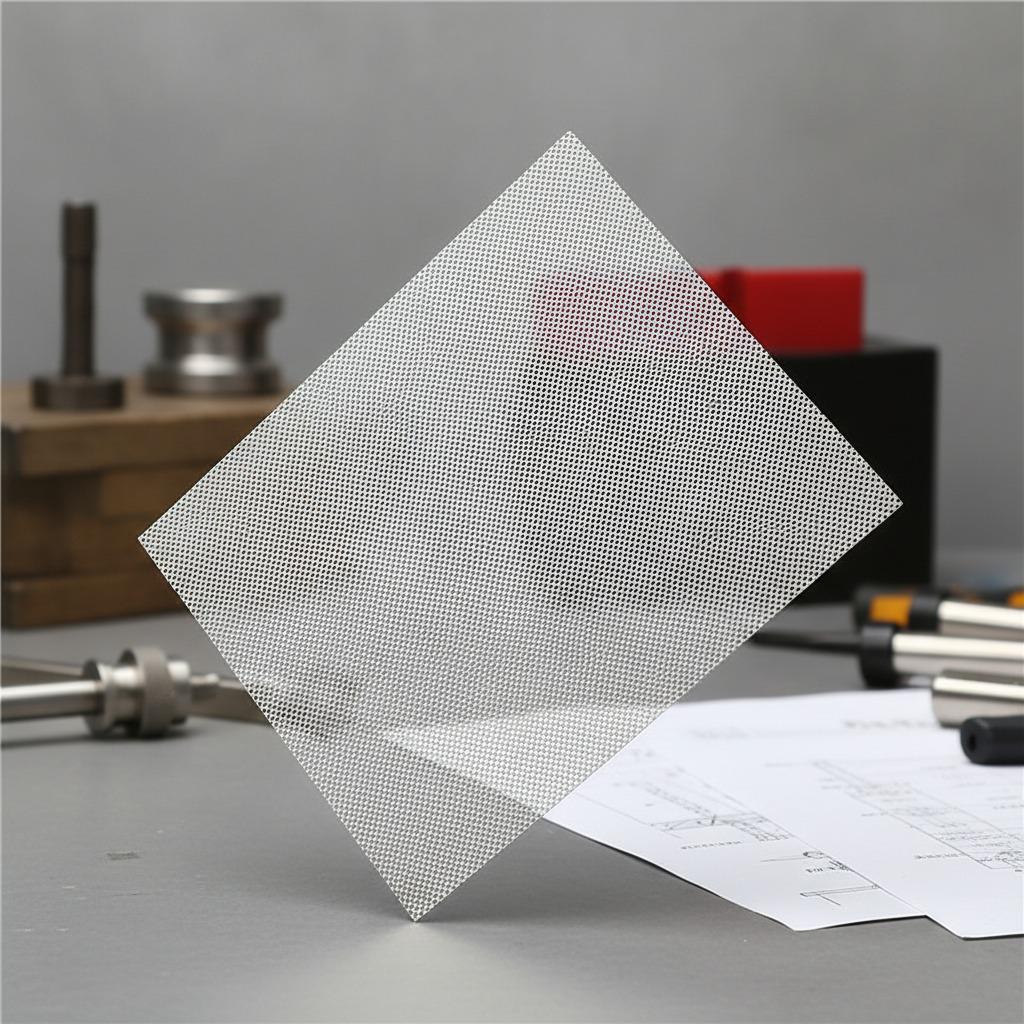
The shape affects how current is delivered to the bath or workpiece. Flat plates suit some tank layouts. Expanded or perforated forms may help with flow and coverage. If the anode is poorly matched to the cell design, performance losses can show up even when the material is technically correct.
2. Coating consistency
With coated anodes, the surface layer is the product as much as the titanium base. Buyers should ask how the coating is applied, whether the finish is uniform, and how the supplier evaluates coating adhesion and coverage. I would be cautious about any supplier that only talks about the base metal and says little about the active layer.
3. Operating chemistry
The electrolyte and process temperature can change the entire service picture. Some environments are more aggressive than others, and the wrong specification may shorten service life or change electrical efficiency. This is one of those cases where “works in one line” does not automatically mean “works in yours.”
How to think about replacement cost
Purchasing teams often compare anode prices too narrowly. The cheaper option can become more expensive if it requires frequent replacement, causes process drift, or leads to uneven performance. A platinum coated titanium anode is usually justified when uptime, current efficiency, or bath consistency matter more than first-cost savings.
It helps to look at the full service interval, not only the purchase order. Ask how the anode is expected to age, whether the coating can tolerate the actual bath conditions, and what signs of wear should trigger inspection. That practical view is more useful than chasing the lowest unit price.
Common sourcing mistakes
One common mistake is specifying the anode by material name alone and leaving out operating details. Another is assuming all titanium substrates are the same. Thickness, fabrication quality, and edge treatment can matter, particularly in assemblies where stress and flow conditions are not uniform.
There is also a tendency to overlook system-level compatibility. The anode may be excellent in isolation and still underperform if the tank layout, power supply, or contact design is poor. In electrochemical hardware, the surrounding hardware often decides whether a premium component earns its keep.
What to request from a supplier
Before you issue a purchase order, ask for clear process information on the titanium base, the platinum coating method, the recommended application range, and any handling or maintenance guidance the supplier can provide. If the supplier can describe how the product is intended to be used, that is usually a better sign than vague claims about being “high performance.”
If you are comparing multiple options, build your shortlist around application fit, not just material name. A well-matched platinum coated titanium anode can save time in maintenance and help stabilize production. A poorly matched one becomes another consumable with an unnecessarily high price tag.
Practical next step
If you are evaluating anode options for a new line or a replacement program, start by documenting the electrolyte, operating current, temperature range, tank geometry, and expected service interval. Then ask suppliers to recommend the anode form that best fits that process. It is a small amount of extra work up front, and it usually prevents a much larger buying mistake later.