
 ZH
ZH  EN
EN  JA
JA  DE
DE 
新闻
钌涂层钛阳极板:买家应该检查哪些方面
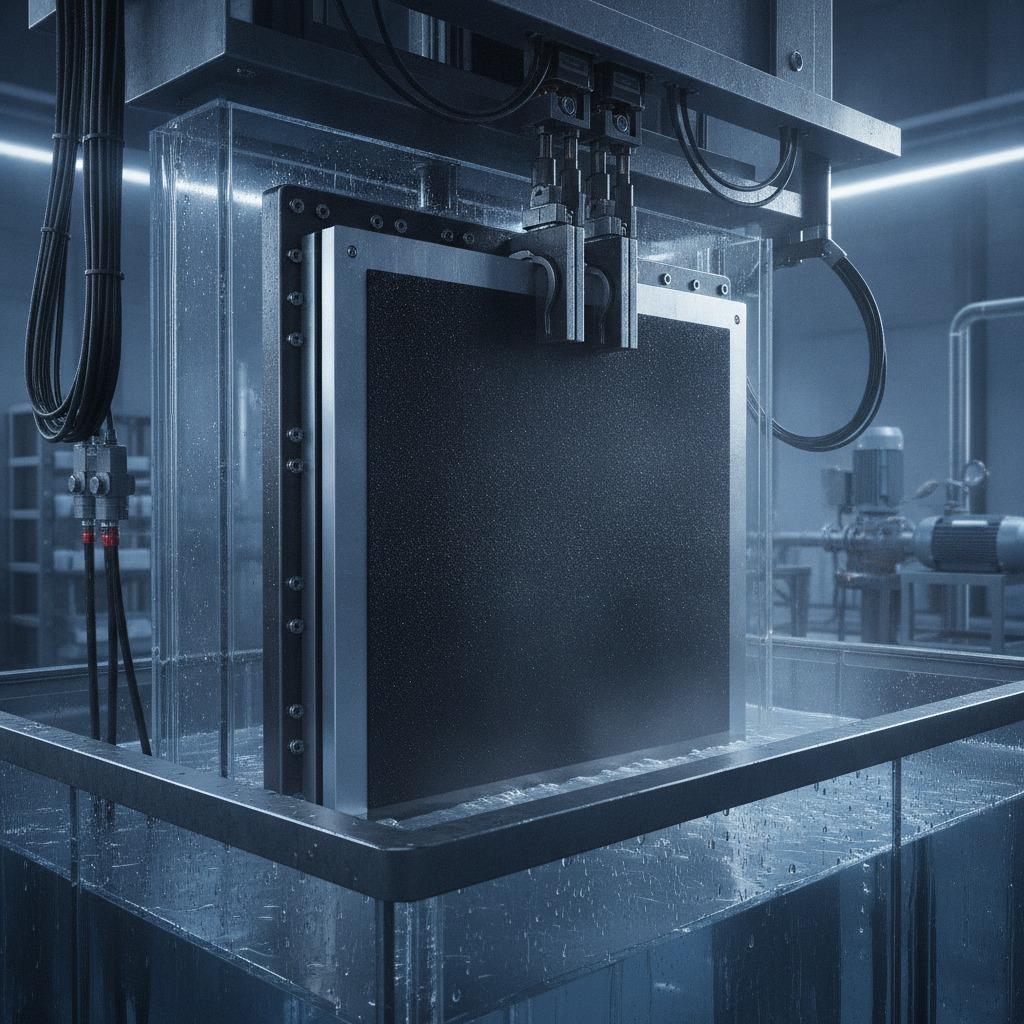
Why buyers look closely at a ruthenium coated titanium anode plate
一个 ruthenium coated titanium anode plate is one of those components that rarely gets attention until a line starts drifting out of spec, a tank becomes harder to maintain, or an electrode set wears faster than expected. In electrochemical equipment, the anode is not just another metal part. It helps determine current distribution, service life, and ultimately how stable the process remains from one shift to the next.
That is why sourcing teams and engineers tend to compare these plates differently from ordinary fabricated hardware. They are not simply buying a flat part with a coating. They are choosing a working surface that has to carry current, resist corrosive conditions, and stay consistent enough for the process to behave the same way every time. If that sounds straightforward, it usually is not. Small changes in substrate quality, coating condition, or geometry can show up later in energy use, maintenance frequency, and output quality.
What the plate is doing in service
Titanium is commonly used as the base because it offers a practical balance of strength and corrosion resistance in demanding electrochemical environments. The ruthenium coating is there for the active job: supporting electrochemical reactions while helping the anode perform efficiently over time. In plain terms, the coating is the business end of the part, while the titanium body gives it structure and durability.
That combination makes the plate attractive in processes where stable current transfer matters. Depending on the application, buyers may be thinking about electrolysis, water treatment, surface finishing, or related industrial systems. The exact duty cycle and chemistry matter, of course, and that is where the details start to separate one supplier’s part from another.
Quick comparison: what matters before you order
For procurement and engineering teams, the first question is rarely “what is it made of?” It is usually “will this fit the process and survive it?” A useful buying check looks like this:
Base material: Titanium substrate quality affects mechanical stability and corrosion performance.
Coating condition: The ruthenium layer should be applied in a controlled way, because uneven coverage can affect electrical behavior.
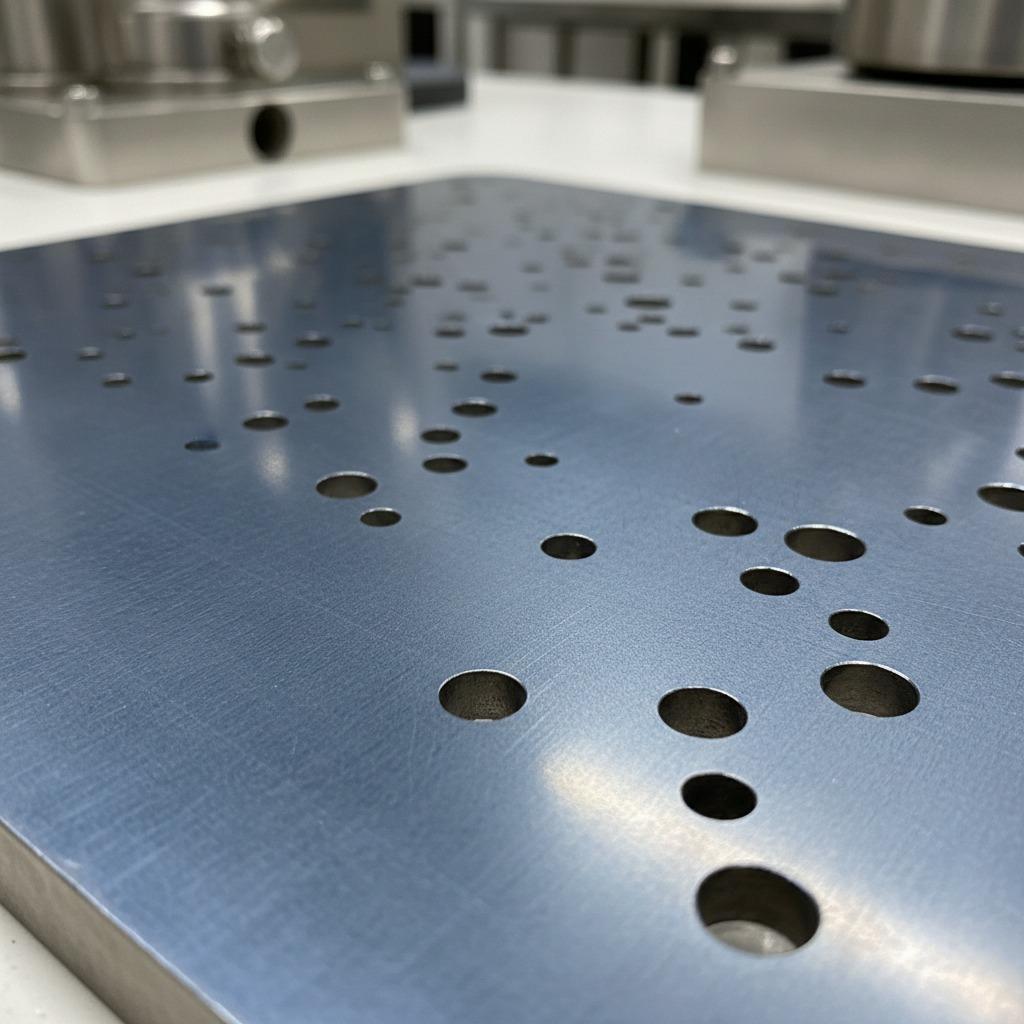
Geometry: Hole pattern, plate shape, and edge details must match the equipment layout.
Operating environment: Chemistry, temperature, and current load all influence service life.
Replacement strategy: Some buyers prioritize low upfront cost; others care more about longer intervals between shutdowns. Usually the second option is cheaper in the long run, though it depends on the line.
Why process compatibility matters more than appearance
It is easy to focus on visual uniformity. A clean, even surface looks reassuring. But with coated anodes, appearance alone is not a serious purchasing criterion. What matters is how the plate behaves under actual operating conditions. A coating that looks fine on day one may still underperform if the substrate preparation was poor or if the part was not matched to the application chemistry.
This is one of the more common mistakes in buyer evaluation: assuming all coated titanium plates are interchangeable. They are not. The same broad material family can perform very differently depending on how the coating was formulated and applied, how the plate was fabricated, and what the end process demands. Buyers who ask early about the intended electrolyte, duty level, and mounting arrangement usually avoid most surprises later.
Selection criteria that save headaches later
When comparing suppliers, the practical questions are often better than the technical brochure language. Ask how the plate is made, what the coating system is intended for, and whether the supplier can align the plate dimensions and hole placement with your assembly. If the product is part of a larger electrode set, consistency between pieces matters as much as the individual plate itself.
For industrial users, documentation also matters. Even when exact certificates or test data are not discussed upfront, a serious buyer should still expect traceable product descriptions, clear material identification, and enough process detail to judge suitability. If a vendor cannot explain what the coating is designed to do, that is a caution sign.
Where machined plate details still matter
Even though the main topic here is the ruthenium coated titanium anode plate, the wider lesson applies to flat metal parts in general. In industrial assemblies, a plate with two mounting holes, a stepped profile, or paired geometry has to do more than “look right.” It has to locate properly, clamp consistently, and avoid creating assembly stress. The same mindset helps buyers evaluate anodes, brackets, inserts, and other fabricated metal parts: the shape is not incidental, it is part of the function.
That is why careful buyers keep one eye on the coating and another on the plain mechanical details. A good electrochemical part still has to fit the fixture.
What to ask before moving to RFQ
If you are preparing an RFQ, keep the brief focused. Define the application, operating environment, mounting requirements, and any known constraints on plate size or hole layout. If you have a legacy part, provide a drawing or a measured sample rather than describing it loosely. That saves time and reduces the risk of a near-match that does not actually install cleanly.
For replacement work, it is also worth checking why the previous plate failed. Was it coating wear, incompatibility with the process chemistry, poor electrical contact, or simply the wrong geometry? Fixing the wrong problem is an expensive habit in this category.
Useful next step
If you are sourcing a ruthenium coated titanium anode plate, start with process data and interface details, not just the part name. Share the application, the mounting pattern, and the operating conditions you already know. From there, a supplier can usually narrow the design much faster and tell you whether the plate format is a good fit or whether another substrate, coating, or geometry would be safer for the job.