
 ZH
ZH  EN
EN  JA
JA  DE
DE 
新闻
Electrolytic water treatment: Revolutionizing Purification with Electrolysis Technology
How to Implement Electrolytic Water Treatment for Efficient Purification
Electrolytic water treatment: Revolutionizing Purification with Electrolysis Technology, Electrolytic water treatment is revolutionizing the way we approach water purification by leveraging electrical currents to break down contaminants without relying on harsh chemicals. This method uses electrolysis technology to generate reactive species that effectively neutralize pollutants, making it an eco-friendly option for both industrial and residential applications. In this guide, we’ll walk you through the essentials of setting up and optimizing electrolytic water treatment systems, ensuring you achieve clean, safe water with minimal environmental impact.
Understanding the Basics of Electrolysis Technology
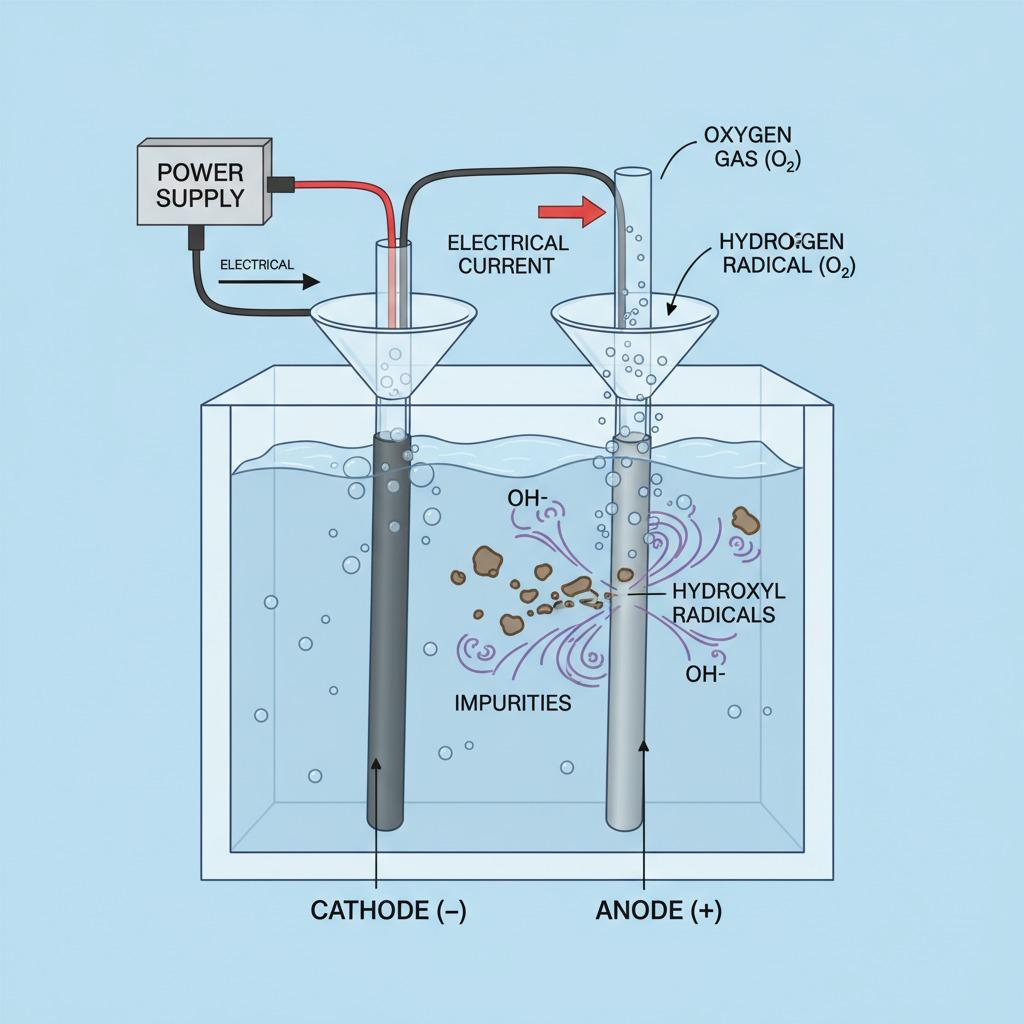
To get started with electrolytic water treatment, it’s crucial to grasp the fundamentals of electrolysis technology. This process involves passing an electric current through water, which splits it into hydrogen and oxygen gases while producing hydroxyl radicals that target organic and inorganic impurities. Begin by selecting the right equipment: a reliable power supply, electrodes, and a treatment chamber. The anode, often made from durable materials like graphite or mixed metal oxides, plays a pivotal role as the water treatment anode, where oxidation reactions occur to degrade pollutants.
First, assess your water source’s quality through testing for pH, turbidity, and contaminant levels. Electrolysis technology excels in treating wastewater from industries like food processing or textiles, where traditional methods fall short. Install your system by connecting the electrodes to a DC power source—typically 5-20 volts depending on the scale. Monitor current flow to ensure efficiency; aim for 1-5 amps per liter of water. Regular maintenance of the water treatment anode prevents buildup of scaling or fouling, extending the system’s lifespan. By following these steps, you’ll harness electrolysis technology to achieve up to 99% removal of bacteria and heavy metals.
Selecting and Optimizing the Water Treatment Anode
The heart of any electrolytic water treatment setup is the water treatment anode, which must withstand corrosive environments while maintaining high conductivity. Choose an anode coated with iridium or ruthenium oxides for superior durability and performance in electrolysis technology applications. For our innovative approach, consider integrating components like the MonoGraphite Matte Rod Collection, crafted from high-density engineered material with a deep charcoal matte finish. These ultra-slim, rigid rods serve as ideal structural elements for custom electrolytic cells, providing precise alignment and wear-resistant surfaces that handle repeated exposure to electrolytic reactions without degradation.
Optimization starts with proper spacing: position the water treatment anode 1-2 cm from the cathode to maximize ion migration. Adjust electrolyte concentration—adding a pinch of sodium chloride can enhance conductivity without compromising safety. In practice, run pilot tests to fine-tune voltage and treatment duration; for instance, 30-60 minutes per batch suffices for most domestic systems. The MonoGraphite rods’ lightweight yet strong build makes them perfect for modular setups in premium water purification instruments, ensuring straightness and consistency that boosts overall electrolysis technology efficiency. This not only improves contaminant breakdown but also reduces energy consumption by up to 40% compared to conventional filtration.
Practical Applications and Best Practices
Applying electrolytic water treatment extends beyond basics into diverse scenarios, from pool sanitation to advanced industrial recycling. Leverage electrolysis technology for real-time disinfection in remote areas, where portability is key—our MonoGraphite Matte Rod Collection fits seamlessly into compact, design-driven prototypes for such uses. Install sensors to automate the process, triggering electrolysis when contaminant levels rise, and always prioritize safety by using insulated components to prevent shocks.
Electrolytic water treatment: Revolutionizing Purification with Electrolysis Technology,Best practices include periodic electrode cleaning with mild acids to restore the water treatment anode’s efficacy and scaling your system based on flow rates—for larger volumes, parallel electrode arrays using uniform rods ensure even treatment. In creative builds like display systems for educational demos, these matte rods add an architectural elegance while functioning reliably. By integrating these strategies, electrolytic water treatment not only purifies water effectively but also aligns with sustainable goals, reducing chemical waste and operational costs. With diligent implementation, you’ll transform impure sources into pristine resources, showcasing the power of innovative electrolysis technology.