未分類

Mixed Metal Oxide Anode: Revolutionizing Technology

Understanding the Mixed Metal Oxide Anode: A Key Innovation in Modern Technology

mixed metal oxide anode

The mixed metal oxide anode represents a pivotal advancement in the field of electrochemistry and materials science. This specialized component, often used in electrochemical processes, combines various metal oxides to enhance performance and durability. As industries seek more efficient and sustainable solutions, the mixed metal oxide anode has emerged as a cornerstone for applications ranging from water treatment to energy storage. Its ability to withstand harsh conditions while maintaining high conductivity makes it indispensable in today’s technological landscape.

The Composition and Functionality of Mixed Metal Oxide Anodes

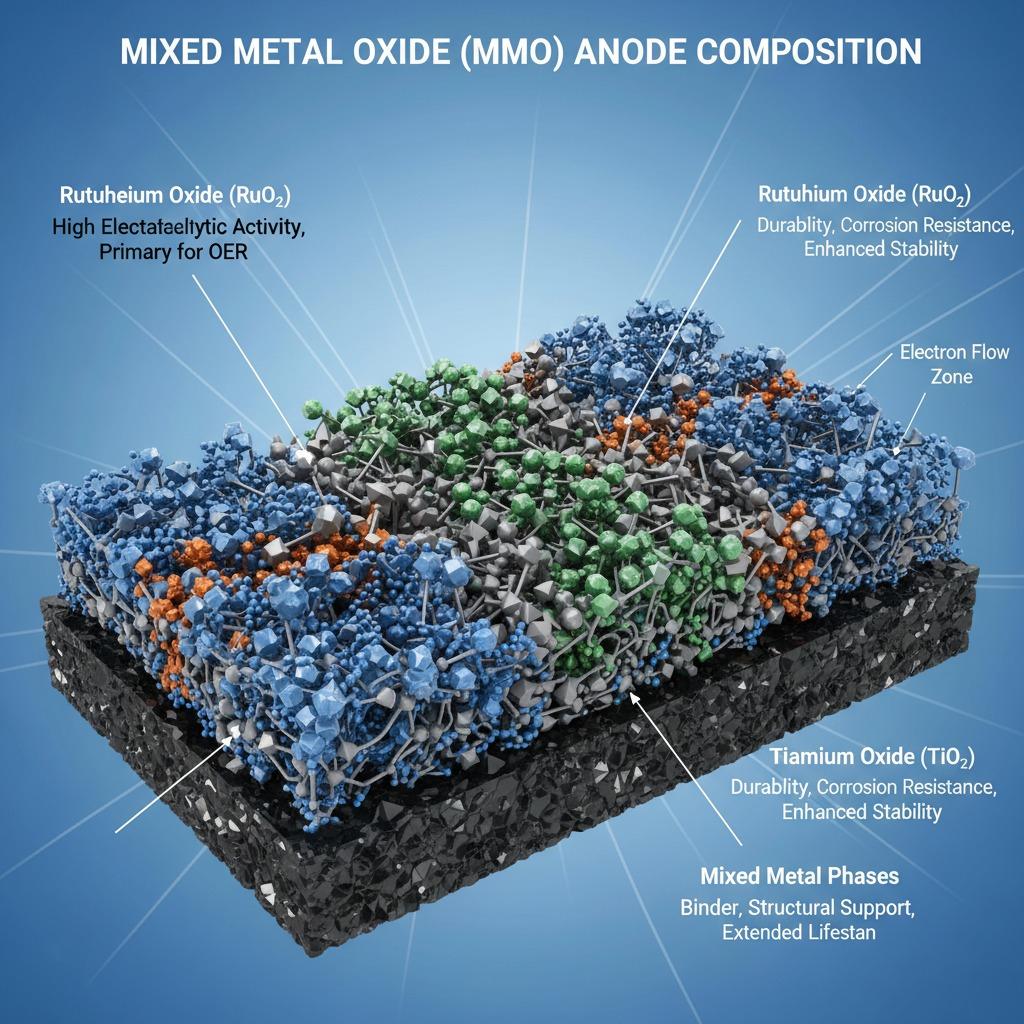
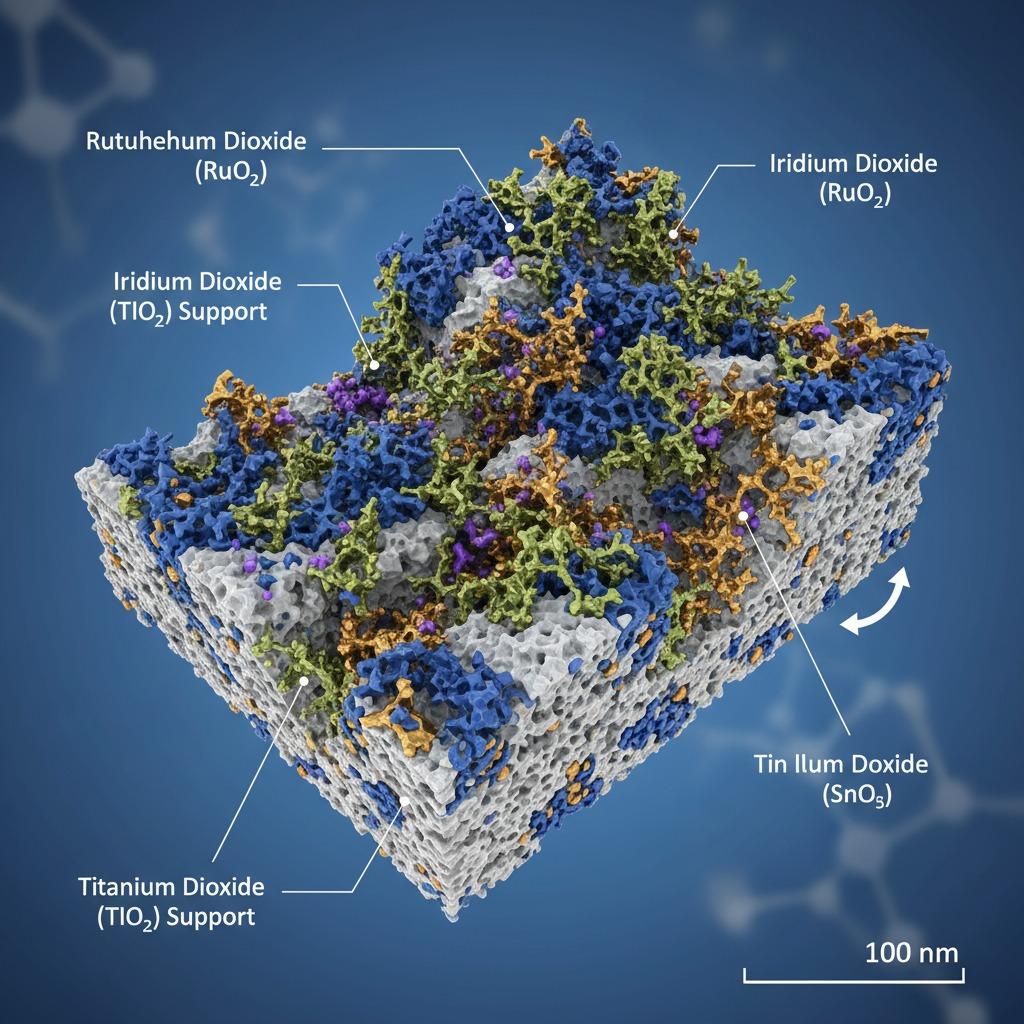
At its core, a mixed metal oxide anode is engineered by blending oxides of metals such as ruthenium, iridium, and titanium. This combination creates a robust structure that excels in oxygen evolution reactions, a critical process in electrolysis. Unlike traditional anodes, the mixed metal oxide anode offers superior corrosion resistance, which extends its lifespan and reduces maintenance costs. In industrial settings, such as chlor-alkali production, this anode ensures efficient operation by facilitating the generation of chlorine and other chemicals with minimal energy loss. Researchers continue to refine these materials, incorporating nanotechnology to boost catalytic activity and further improve efficiency.

The functionality of the mixed metal oxide anode extends beyond basic electrolysis. It plays a vital role in electroplating, where it serves as a stable platform for depositing metals onto surfaces. This stability prevents unwanted side reactions, leading to higher quality finishes in manufacturing processes like those used for automotive parts or electronics. Moreover, in environmental applications, the anode contributes to advanced oxidation processes that degrade pollutants in wastewater. By generating powerful oxidants like hydroxyl radicals, it helps purify water more effectively than conventional methods, aligning with global sustainability goals.

Applications and Advantages in Sustainable Technologies

One of the most compelling applications of the mixed metal oxide anode is in renewable energy systems, particularly in electrolyzers for hydrogen production. As the world transitions to green energy, these anodes enable the efficient splitting of water into hydrogen and oxygen, supporting the growth of a hydrogen economy. Their high overpotential for oxygen evolution minimizes energy waste, making hydrogen production more viable and cost-effective. In batteries and fuel cells, the mixed metal oxide anode enhances charge-discharge cycles, improving overall device performance and longevity.

The advantages of adopting a mixed metal oxide anode are multifaceted. Environmentally, it reduces the reliance on scarce resources by optimizing material use, and its durability lowers the frequency of replacements, thereby decreasing waste. Economically, industries benefit from reduced operational costs due to lower energy consumption and maintenance needs. For instance, in the production of sodium hypochlorite for disinfection, the anode’s efficiency can cut energy use by up to 30%, as reported in recent studies from electrochemical engineering journals. Safety is another key benefit; the anode’s inert nature minimizes risks associated with toxic byproducts.

Future Prospects and Innovations in Mixed Metal Oxide Anode Development

Looking ahead, the evolution of the mixed metal oxide anode promises even greater impacts. Ongoing research focuses on doping these anodes with rare earth elements to enhance selectivity and performance in targeted reactions. This could revolutionize fields like biomedical devices, where precise electrochemical control is essential for sensors and implants. Additionally, efforts to scale up production using green synthesis methods aim to make these anodes more accessible for widespread adoption in developing regions.

As challenges like material scarcity and high initial costs are addressed through innovative manufacturing techniques, the mixed metal oxide anode will likely become a standard in sustainable tech. Its integration into smart grids and portable devices underscores its versatility. By fostering cleaner industrial processes and supporting energy transitions, this technology not only drives efficiency but also contributes to a healthier planet. Embracing the mixed metal oxide anode is a step toward a future where electrochemical solutions power progress responsibly.