未分类

Titanium Anode Plate Buying Guide: What Matters Most

A titanium anode plate is usually chosen for one reason: the job is harsher than a plain metal sheet can comfortably handle. In electroplating, surface treatment, and some water or process applications, buyers are not just comparing materials. They are deciding how the anode will behave in chemistry, current distribution, maintenance, and long-term stability. That makes the part look simple on paper and surprisingly unforgiving in practice.

titanium anode plate

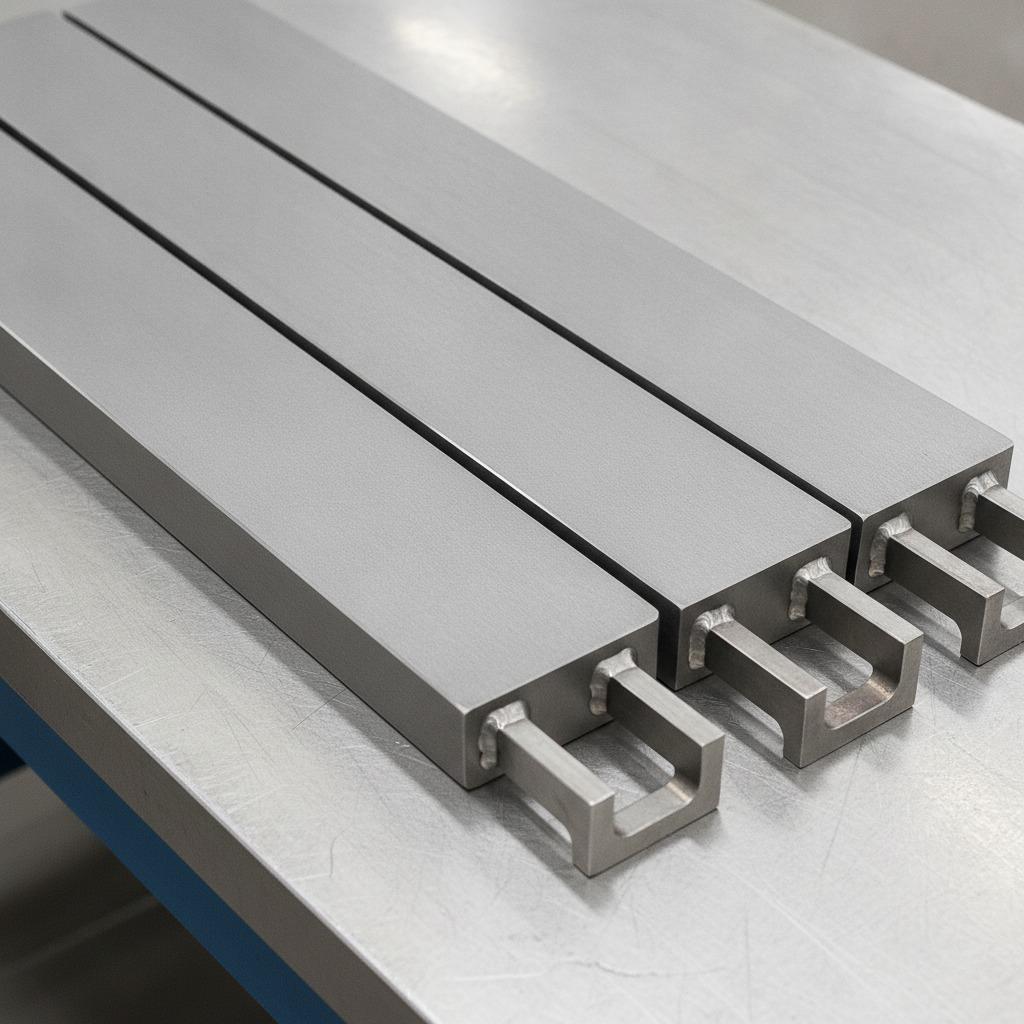
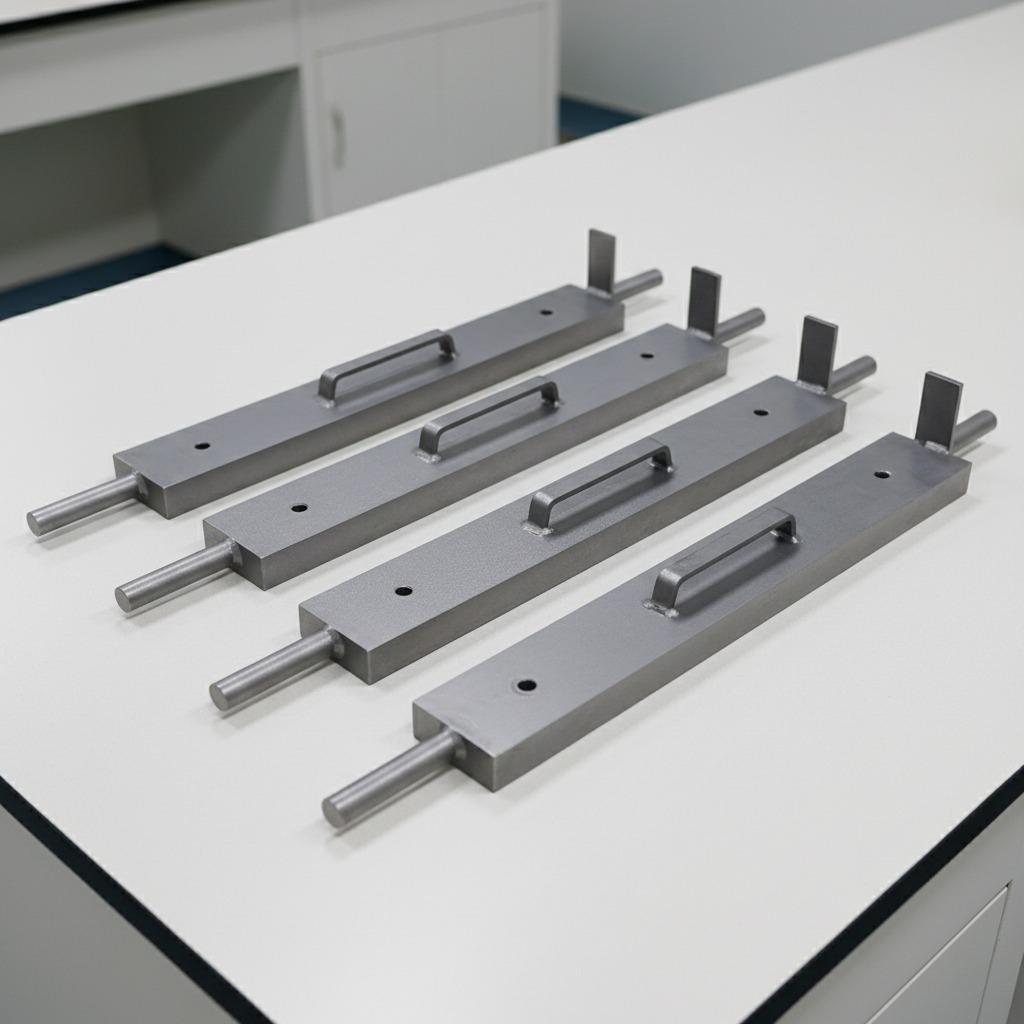
The photographed item is a set of four long, narrow flat plates with attached handles, a utilitarian assembly with a matte gray finish and visible surface variation. The image does not tell us the exact alloy, finish, or end use, so it should not be read as a finished specification. Still, it does show a useful manufacturing truth: when a flat plate part is expected to work reliably, the geometry, attachment method, and surface condition all matter more than people sometimes expect.

Why buyers run into trouble


anode plates titanium,The first mistake is treating every anode like a generic metal plate. In real production, the anode has to support electrical performance while also surviving the environment around it. If the plate is poorly made, poorly sized, or poorly matched to the process, the result can be uneven deposition, wasted power, maintenance interruptions, or premature replacement. None of that is dramatic on day one, which is why the problem often shows up after the purchase order is closed.

That is especially true when the buyer is balancing cost against longevity. A low-price part can look fine in a sample room, but if it does not match the chemistry, current load, or mounting arrangement, the operating cost may climb quickly. For engineering teams, the real question is not whether the plate exists. It is whether it fits the process window without creating hidden headaches.

What the plate has to do


At a practical level, a titanium anode plate needs to provide a stable conductive platform and a shape that suits the tank or fixture. The plate itself is only one part of the system. Current distribution, spacing, contact quality, and whether the surface is intended to be active or merely structural all affect performance. Buyers often focus on material name alone, but the fabrication details can matter just as much.

The long, narrow format visible in the product image is a reminder that simple geometry can be deliberate. Straight edges and a flat profile can make installation easier in a rack or frame. A handle or connector may also be part of the assembly, depending on how the part is used. Even so, the attachment point is not a trivial detail. If the connection is weak, inconsistent, or unsuitable for the operating environment, the whole assembly becomes harder to trust.

Where the simple plate shape helps


Simple plate shapes are easier to inspect, easier to align, and easier to clean. They also leave fewer places for contamination to hide. That is useful in production lines where repeatability matters more than elegance. But simple does not mean forgiving. Edge quality, flatness, and finish consistency still affect how the part behaves once it is in service.

真正重要的选择标准


When evaluating a titanium anode plate, start with the application before the catalog. Ask what chemistry it will see, how much current it needs to carry, what geometry the tank requires, and how often the part will be inspected or replaced. If the process is aggressive, the buyer should pay close attention to surface preparation and connection design. If the process is intermittent, serviceability may be more important than theoretical maximum life.

It also helps to think about fabrication as a manufacturing decision, not just a sourcing one. The visible product shows a matte, slightly uneven industrial finish. In some uses that is perfectly acceptable. In others, finish variation may be a warning sign that the part needs tighter control before it goes anywhere near production. The point is not cosmetic perfection. The point is repeatable behavior.

Common mistakes


One common mistake is assuming that similar-looking plates are interchangeable. Another is ignoring the attachment detail because the main body looks right. A third is buying to a nominal size and discovering later that the real issue was current distribution, clearance, or handling. Buyers also sometimes under-specify the inspection requirements, then end up troubleshooting a process problem that was really a part-selection problem all along.

There is a smaller but still real caution here: if the application depends on titanium for corrosion resistance or compatibility, do not substitute an unspecified plate just because it looks similar in a photo. Visual similarity is not material confirmation. That sounds obvious, yet it is one of the easiest ways for a procurement package to drift off course.

Practical buying advice


For sourcing teams, the best path is to request the minimum technical facts needed to make the part useful: material grade, dimensions, surface treatment, connection method, and intended application. If the supplier cannot state those basics clearly, the risk is not just technical. It is also a sign that the part may be hard to reproduce consistently later. A good supplier should be able to explain how the plate is fabricated and how the assembly is intended to function, even if the final use is specialized.

For engineering teams, it is worth asking for a sample or a drawing review before you lock the order. A small error in plate length, handle orientation, or thickness can create alignment problems that are irritating to fix after the fact. That is especially true in assemblies where multiple plates are installed side by side and expected to behave alike.

常问问题


Is every titanium anode plate used the same way?
No. The name describes the material and form, not the full application. The duty cycle, chemistry, and mounting approach can vary a lot.

Can a visually similar plate be substituted?
Not safely without confirming the grade and fabrication details. In process equipment, appearance is a poor substitute for specification.

What should a buyer prioritize first?
Start with the operating environment, then confirm material, geometry, and connection design. Price comes after fit, not before it.

If you are sourcing a titanium anode plate for production equipment, ask for a drawing, a material declaration, and a clear description of the intended service conditions before you compare suppliers. That is usually the fastest way to separate a workable part from a plausible-looking one.