
 EN
EN  ZH
ZH  JA
JA  DE
DE 
Blog
Titanium Anode for Electrolysis: How to Choose the Right One
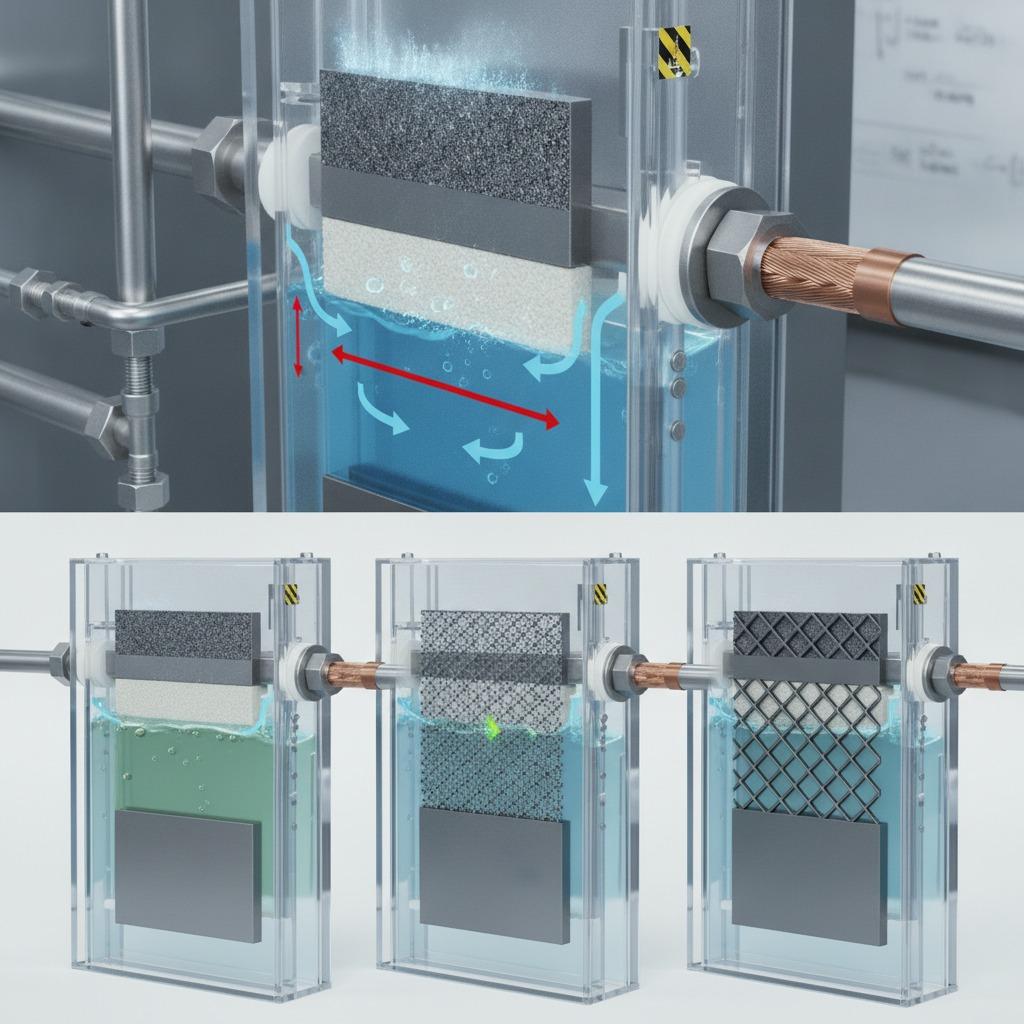
Why a titanium anode for electrolysis gets attention in real production work
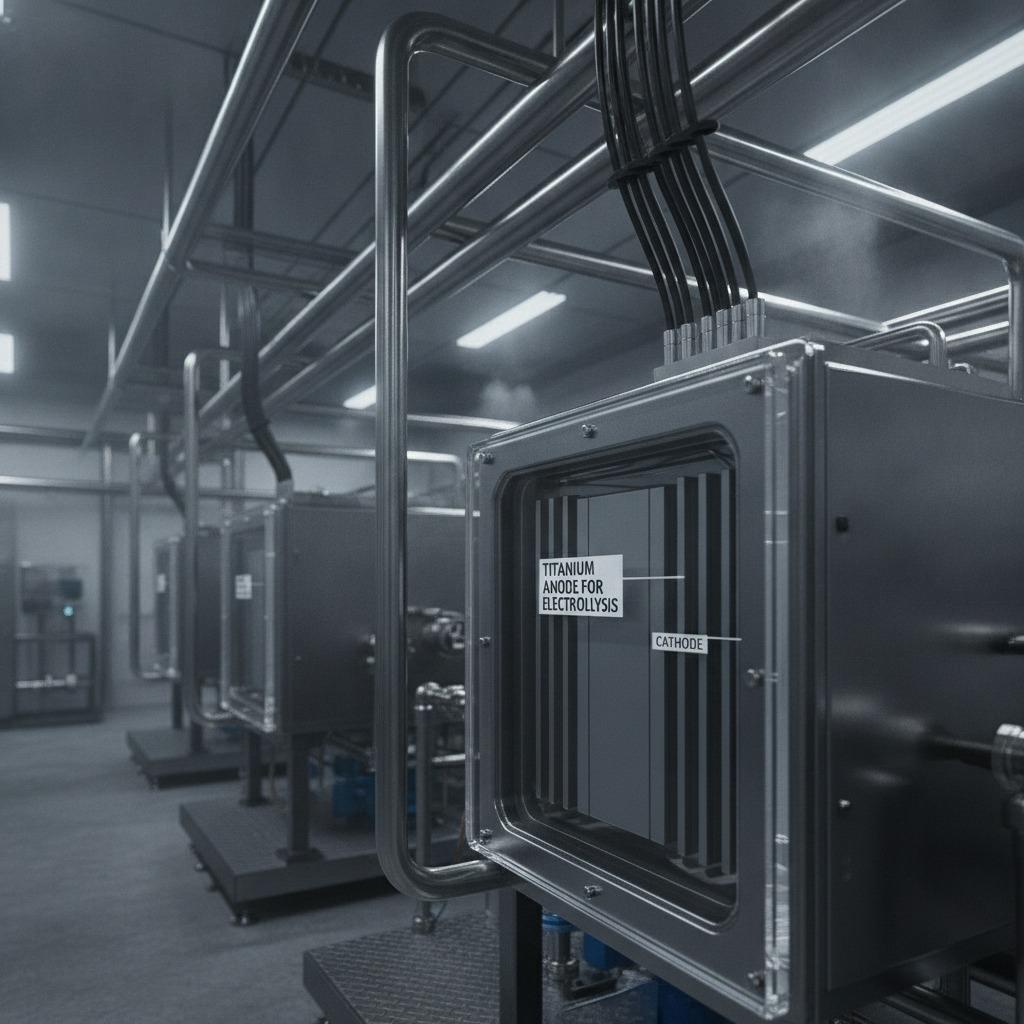
electrolytic titanium anode,A titanium anode for electrolysis is not usually the first component people talk about when they discuss process reliability, but it often determines whether a cell runs steadily or becomes a maintenance headache. In electrolysis equipment, the anode sits in a harsh environment: conductive electrolyte, electrical load, gas evolution, and constant exposure to chemical attack. That combination is hard on ordinary metals. For buyers and engineers, the decision is less about the cheapest part on paper and more about which anode construction can hold up without creating downtime, contamination risk, or inconsistent output.
That is why titanium remains such a common substrate choice. It offers a practical balance of strength, corrosion resistance, and fabricability. In many electrochemical systems, the real value lies not in titanium alone, but in how the anode is built, coated, mounted, and integrated into the cell. If you are sourcing one, you are really choosing a working surface for a process, not just a piece of metal.
The problem buyers are trying to solve
Electrolysis equipment lives or dies by stability. If the anode degrades too quickly, the process becomes less efficient. If the surface condition shifts, current distribution can suffer. If the mounting is awkward or the geometry is wrong, installation and maintenance get more difficult than they should be.
That is where titanium stands out. It is commonly used as a base material because it handles demanding operating conditions better than many alternatives. But a buyer should be careful here: titanium alone does not automatically guarantee performance. In many applications, the active layer or coating matters just as much as the substrate, and the exact build should be matched to the electrolyte and duty cycle.
What a titanium anode typically brings to the table
For sourcing teams, the main appeal is durability with reasonable manufacturability. Titanium can be formed, machined, and assembled into a range of electrode shapes. That flexibility matters when the equipment designer needs a plate, mesh, expanded form, or another geometry that fits a specific cell design.
The practical benefits usually include:
-
- Corrosion resistance in aggressive electrochemical environments
-
- Lightweight construction relative to many other metals
-
- Good structural stability for mounting and handling
-
- Compatibility with engineered surface treatments or catalytic coatings, depending on the application
That said, there is no single “best” titanium anode. A laboratory cell, an industrial water treatment setup, and a chlor-alkali or plating-related system can demand very different designs. The wrong match may still look acceptable at the quotation stage and fail later in the real process.
Selection criteria that actually matter
Start with the electrolyte. That is the first filter, because not all chemistries are equally forgiving. Then look at current density, operating temperature, flow conditions, and whether the cell sees intermittent or continuous use. These factors shape both anode life and energy efficiency.
Geometry is another decision point. A flat plate may suit one enclosure, while a mesh or expanded layout gives more active area in another. Mounting also matters more than buyers sometimes admit; if the part is awkward to secure, field technicians tend to improvise, and that is rarely a good sign for long-term reliability.
Finally, ask how the part is assembled. If the anode includes coated sections, bonded areas, or mechanical fasteners, the interfaces should be understood clearly. Small construction details can affect service life more than a glossy product sheet suggests.
Common mistakes in procurement
One common mistake is treating all titanium anodes as interchangeable. They are not. Another is focusing only on price while ignoring the operating environment. A low-cost part that needs early replacement is not low-cost for long.
A second mistake is overlooking the surrounding hardware. If the cell uses brackets, insulating spacers, or specialized mounting points, the electrode needs to fit the system cleanly. Mismatched hardware can create installation delays and, in some cases, uneven electrical contact.
What to ask before you place an order
Ask for the substrate form, the active surface treatment, the intended electrolyte range, and the recommended operating conditions. If the supplier offers multiple form factors, compare them against your actual cell design rather than a generic spec sheet. And if the application is sensitive, request enough detail to confirm compatibility before committing to production quantities.
For engineering teams, that extra round of clarification is often cheaper than discovering a mismatch after the line is running.
Where this leaves buyers
A titanium anode for electrolysis is best evaluated as a process component, not a commodity. The right choice should support the chemistry, the electrical load, and the mechanical layout of the system. If you are comparing suppliers or revising an existing design, build your shortlist around operating environment, geometry, coating or surface treatment, and mounting practicality.
If you are planning a new cell or replacing an older electrode, the next step is straightforward: map the process conditions first, then ask suppliers to match the anode design to those conditions instead of pushing a one-size-fits-all part.
FAQ
Is titanium itself the active electrolysis surface?
Usually, titanium serves as the base material. The active performance often depends on the surface treatment or coating used for the application.
Can one titanium anode work in every electrolyte?
No. Electrolyte chemistry, temperature, and current demand all affect suitability.
What should buyers check first?
Start with compatibility, geometry, and mounting. Those three often decide whether the part works cleanly in the real system.