
 EN
EN  ZH
ZH  JA
JA  DE
DE 
Uncategorized

Chlor-Alkali Titanium Anode Plate: What Buyers Should Compare
1. Why chlor-alkali anode selection is not a small procurement detail
2. What a chlor-alkali titanium anode plate does
3. Common construction features buyers should look for
4. Selection criteria that matter in real plant conditions
5. What can go wrong if the plate is underspecified
6. Useful buyer questions for suppliers
7. Quick reference: what decision this article helps you make
8. FAQ
9. Next step

Wastewater Treatment Anode Plate: How to Evaluate the Part
1. What a wastewater treatment anode plate is supposed to do
2. Quick check: what the supplied part description tells us
3. Why material choice matters in wastewater equipment
4. How to evaluate a custom-cut industrial part for this application
4.1 Fit and geometry
4.2 Behavior in service
4.3 Manufacturing method
5. Common buyer mistakes
6. What to request from a supplier
7. FAQ for sourcing teams
7.1 Is this definitely a finished wastewater treatment anode plate?
7.2 Can the material be identified from appearance alone?
7.3 What should I verify before buying?
8. Next step for engineering and procurement
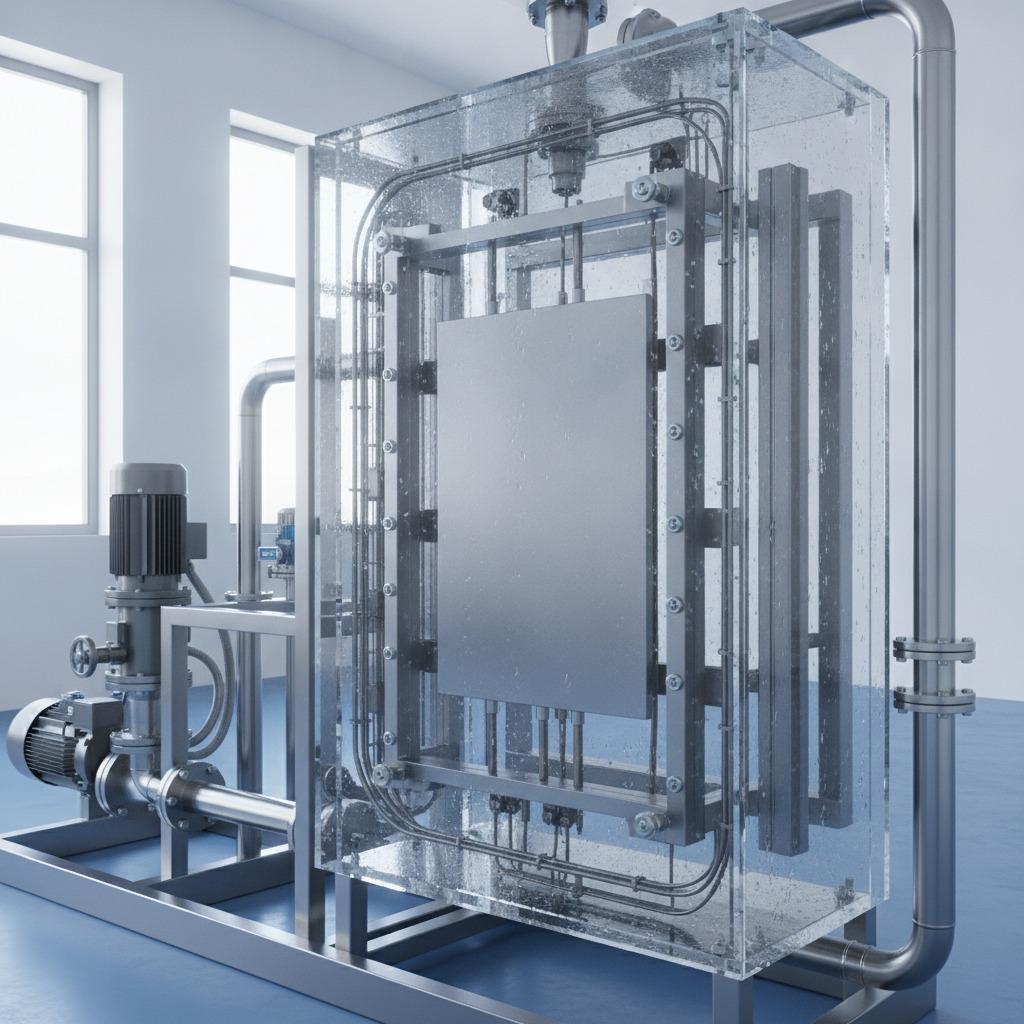
Water Treatment Titanium Anode Plate: What Buyers Should Check
1. Why a water treatment titanium anode plate matters in the first place
2. What buyers are usually trying to solve
3. Quick reference: what to check before specifying one
4. How titanium anode plates are typically used in water treatment systems
5. Common mistakes in sourcing
6. What the image suggests, and what it does not
7. Buyer-facing questions worth asking
8. Next step for engineers and procurement teams

Titanium Electrode Plate: What Buyers Should Check Before Ordering
1. Why a titanium electrode plate gets attention in real production work
2. What makes titanium useful in electrode applications
3. Quick decision points buyers usually need
4. Common forms and why shape matters
5. Where buyers get into trouble
6. Practical buyer advice for sourcing and inspection
7. FAQ
8. What to do next

Durable Titanium Electrode Plate: What Buyers Should Check
1. Why buyers care about the plate, not just the material
2. What the geometry tells you about manufacturability
3. Small details that matter more than they look
4. Titanium’s appeal, and its limits
5. Selection criteria for sourcing teams
6. Common mistakes buyers make
7. What to ask before placing an order
8. FAQ: quick answers for buyers
9. A practical next step

Corrosion Resistant Anode Plate: What Engineers Should Look For
1. What engineers should really look for in a corrosion resistant anode plate
2. Why corrosion resistance matters at the plate level
3. Common material routes and where they fit
4. Selection criteria that matter in real procurement
5. Where manufacturing details change the outcome
6. Common mistakes buyers still make
7. Practical buyer advice before you place an order
8. Quick questions to ask during sourcing
9. FAQ
10. Next step for engineers and sourcing teams

Industrial Titanium Anode Plate: What Buyers Should Verify
1. What Buyers Usually Mean by an Industrial Titanium Anode Plate
2. Quick Takeaways for Engineers and Sourcing Teams
3. Why the Right Plate Design Matters
4. Common Manufacturing Routes for This Kind of Part
5. How to Select the Right Version
6. Practical Buyer Warnings
7. FAQ: Short Answers Buyers Usually Need
8. Next Step for RFQ or Redesign Work

Electrolytic Titanium Anode Plate: How to Choose the Right One
1. Why an electrolytic titanium anode plate is chosen in the first place
2. What makes the plate format useful
3. Process factors that matter more than brochures
4. Common mistakes in specification and sourcing
5. Selection checklist for engineers and procurement
6. Where a careful buyer should pause
7. Next step

DSA Titanium Anode Plate: What Buyers Should Check First
1. What a DSA Titanium Anode Plate Is Used For
2. Key Features Buyers Should Review
3. How to Compare Supplier Offers Without Getting Lost in the Spec Sheet
4. Common Buying Mistakes
5. Practical Advice for Engineers and Sourcing Teams
6. FAQ
7. Next Step
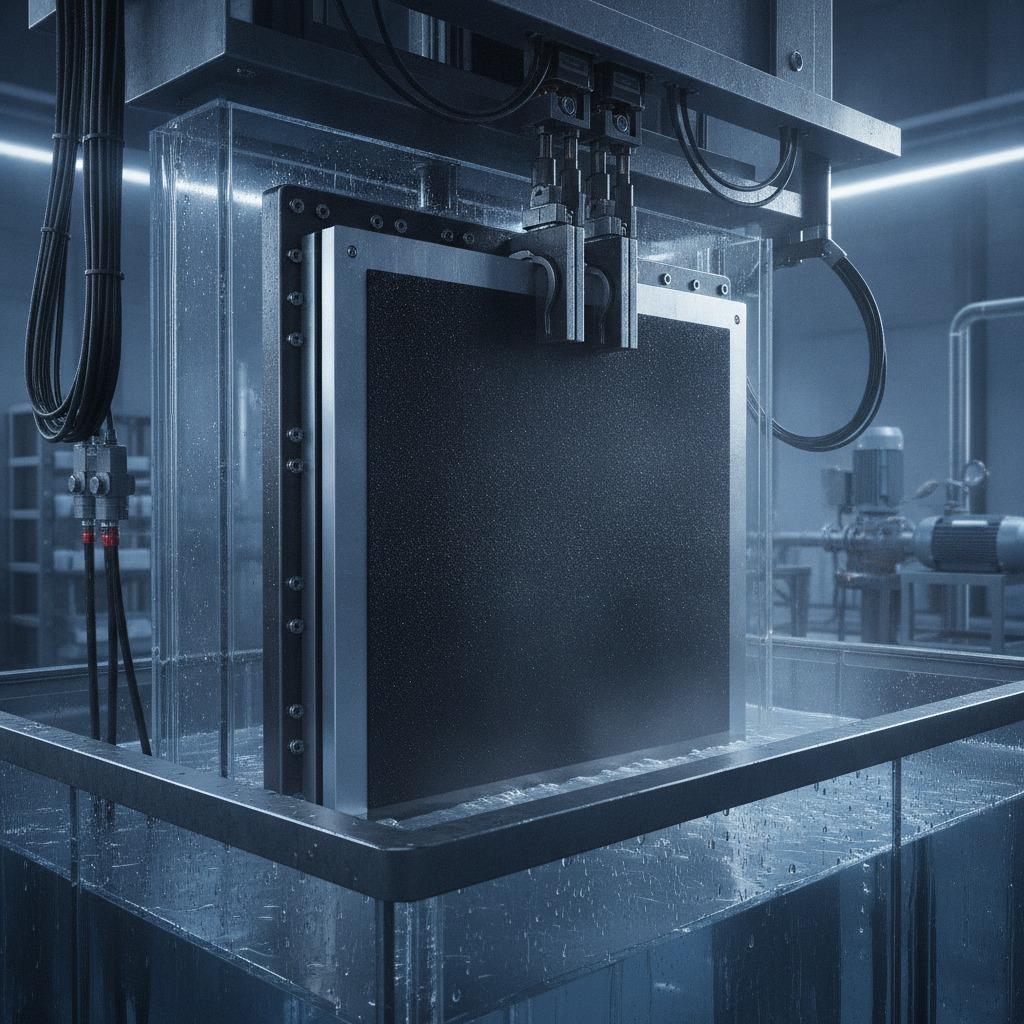
Ruthenium Coated Titanium Anode Plate: What Buyers Should Check
1. Why buyers look closely at a ruthenium coated titanium anode plate
2. What the plate is doing in service
3. Quick comparison: what matters before you order
4. Why process compatibility matters more than appearance
5. Selection criteria that save headaches later
6. Where machined plate details still matter
7. What to ask before moving to RFQ
8. Useful next step