
 EN
 ZH
 JA
 DE

文章由 sxhtscti

Industrial Electrolysis Electrodes plate: Sourcing Custom Flat Plates and Hardware
1. 6 Key Considerations for Sourcing Custom Flat Plates and Hardware for Industrial Electrolysis Assemblies
2. Distinguish Structural Alignment Plates from Active Anodes or Cathodes
3. Verify Base Material and Surface Grain Early
4. Scrutinize Cutting Method and Edge Squareness
5. Address Deburring and Edge Quality Specifications
6. Watch Out for Asymmetry and Tooling Orientation
7. Clarify Downstream Assembly Interfaces Before Ordering
8. Frequently Asked Questions
9. Next Steps for Your Fabrication Sourcing

Custom Electrochemical Plates: How to Prototype, Specify, and Source Cell Hardware
1. Bridging the Gap Between Prototyping and Production in Custom Electrochemical Plates
2. The Geometry Challenge: Validating 2D Profiles Early
3. Matching Fabrication Methods to Plate Function
4. Common Specification Mistakes in Plate Procurement
5. Sourcing Checklist for Custom Electrochemical Hardware
6. Frequently Asked Questions
7. Next Steps

High Performance Titanium Anode Guide: Custom Geometry, Cutting, and Sourcing
1. Navigating Custom Titanium Anode Sourcing: From Raw Blank to Electrochemical Cell
2. Understanding the Blank Geometry: Tabs, Edges, and Current Paths
3. Step 1: Choose the Right Cutting Process for Titanium Substrates
4. Step 2: Surface Preparation and Substrate Integrity
5. Comparison: Raw Cut Blank vs. Finished Anode Assembly
6. Common Buyer Pitfalls to Avoid
7. Procurement Checklist for Custom Titanium Plates
8. Frequently Asked Questions
9. Take the Next Step in Your Cell Component Sourcing
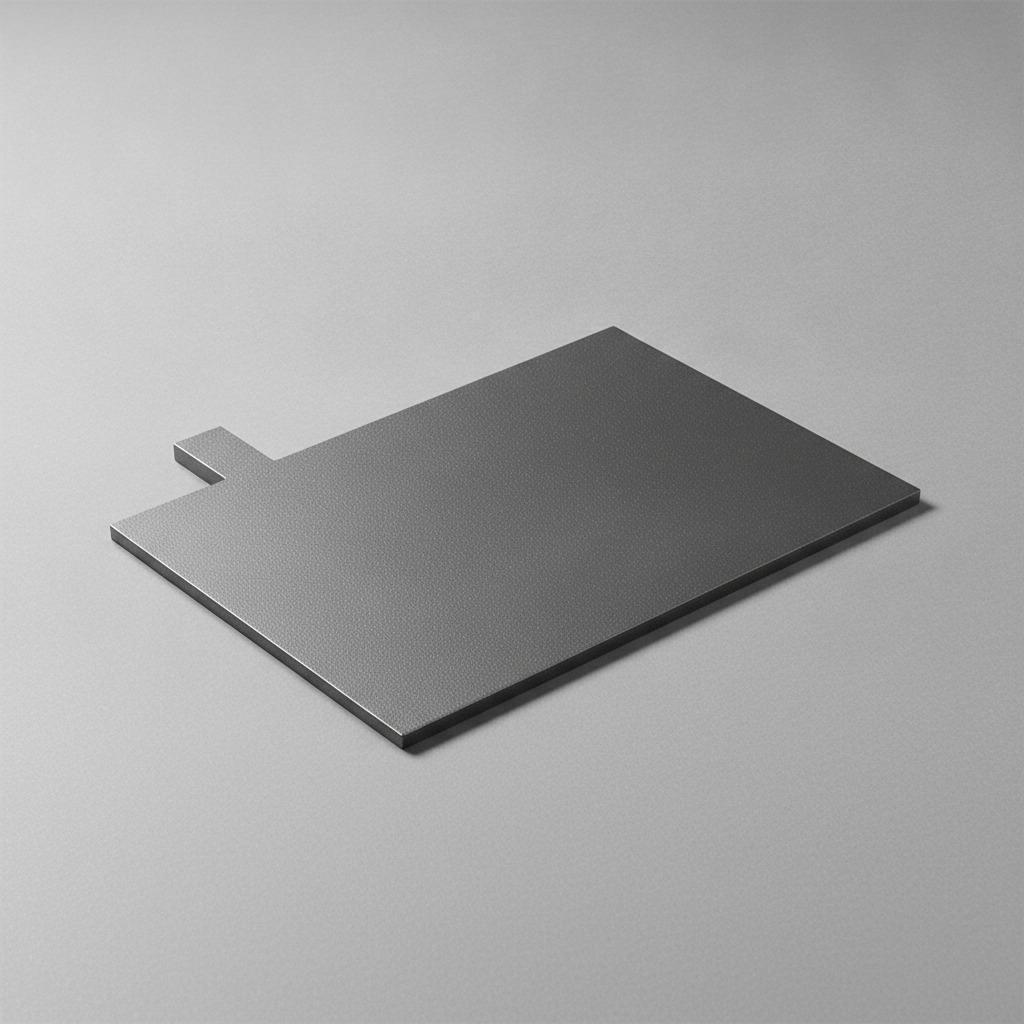
Anti Corrosion Electrode Plate Guide: Sourcing Substrates and Edge Quality
1. Specifying and Sourcing Flat Metal Substrates for Electrode Applications
2. Profile Geometry: Why Simple Tabs Matter
3. Substrate Material vs. Corrosion Barrier: The Sourcing Reality
4. Evaluating Edge Quality and Cutting Processes
5. Practical Buyer Checklist for Sourcing Flat Metal Plates
6. Frequently Asked Questions
7. Next Steps for Sourcing Teams
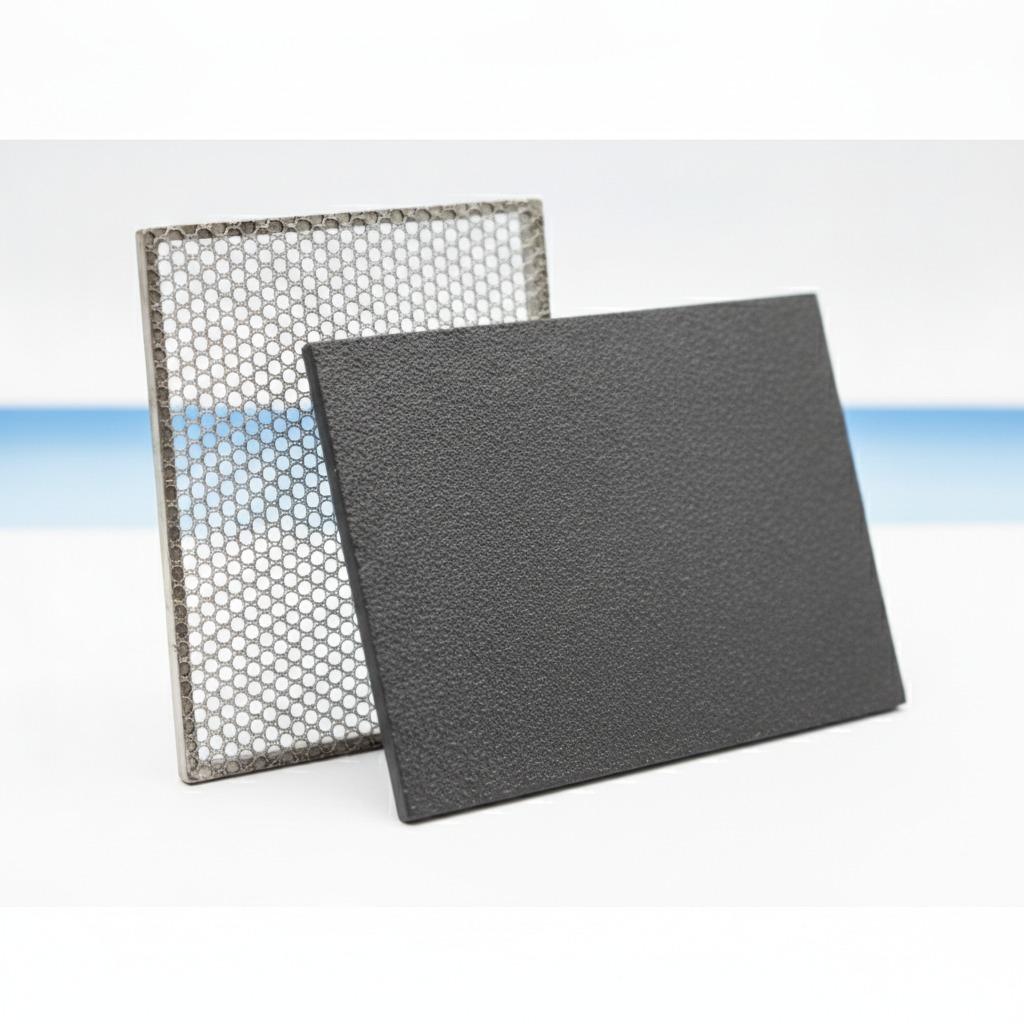
Titanium Anode for Salt Water Systems: Selection and Design Guide
1. Navigating Titanium Anode Selection for Saltwater Electrolysis and Protection
2. Coating Chemistries: Chlorine Evolution vs. Mixed Evolution
3. Operating Conditions That Dictate Anode Longevity
4. Stack Integration: Substrates, Spacing, and Sealing Hardware
5. Common Specification Traps to Avoid
6. Frequently Asked Questions
7. Procurement Takeaways and Next Steps
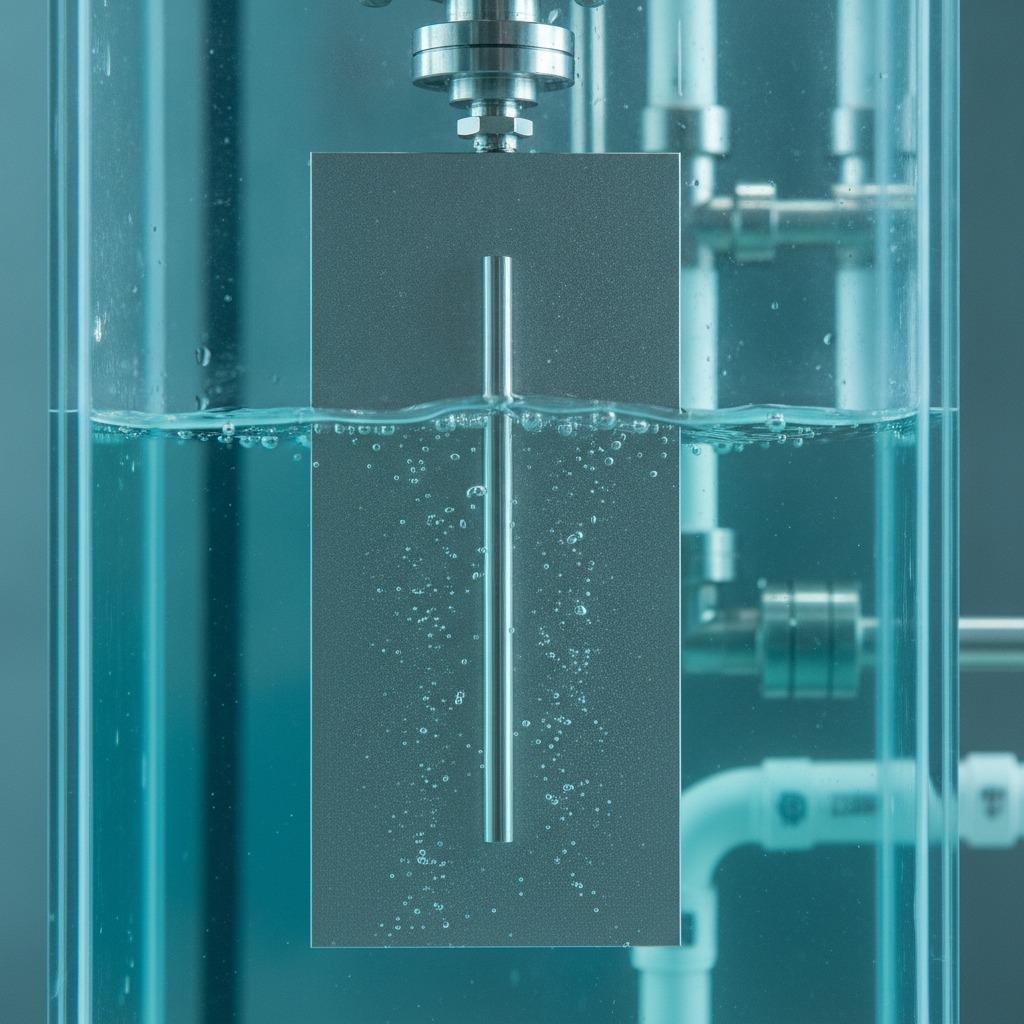
Choosing the Right Titanium Anode for Seawater Treatment: A Technical Guide
1. Optimizing Electrochemical Efficiency with Titanium Anode for Seawater Treatment
2. Understanding the Anode Configuration
3. Material Considerations and Surface Properties
4. Practical Selection Criteria for Your Facility
5. A Warning on Sourcing and Compatibility

Choosing a High-Performance Titanium Anode for Chlorination Systems
1. Optimizing Electrochemical Performance with Titanium Anodes
2. The Role of Material Integrity in Chlorination
3. Selection Criteria for Procurement Teams
4. Managing Risks in Electrochemical Systems
5. Next Steps for Your Project
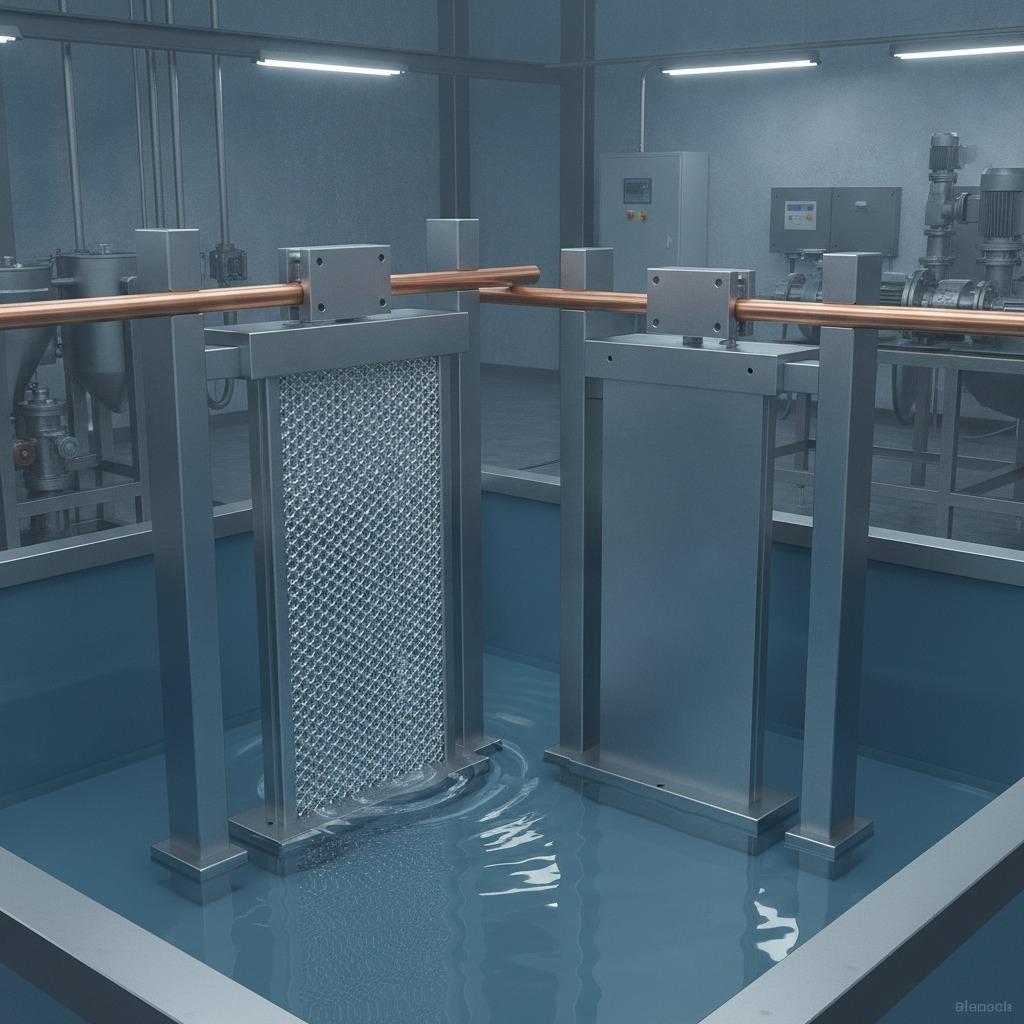
Titanium Anode for Electroplating: A Technical Guide to Coatings, Hardware, and Selection
1. Specifying Insoluble Titanium Anodes for Industrial Electroplating
2. Substrate Forms and Catalytic Coatings
3. The Overlooked Role of Dielectric Spacers and Gaskets
4. Core Engineering Selection Criteria
5. Common Operational Mistakes on Plating Lines
6. Frequently Asked Questions
7. Next Steps for Cell Design and Sourcing

Titanium Electrode Plate Sourcing: How to Inspect and Specify Coated Sheet Stock
1. Evaluating Precious-Metal Coated Sheet Stock
2. Surface Characteristics: What That Satin Luster Actually Means
3. Step-by-Step Specification Guide for Buyers
4. Common Sourcing Mistakes to Avoid
5. Vendor Qualification Checklist

Titanium Anode Plate Wholesale Guide: Specs, Quality, and Sourcing
1. Anatomy of a Tabbed Plate: Understanding the Functional Profile
2. Substrate Verification: Guarding Against Ambiguous Listings
3. Manufacturing Method: Stamping vs. Laser Cutting
4. Coating Integrity and Edge Coverage
5. Key Specifications to Define in Your RFQ
6. Frequently Asked Questions
7. Next Steps for Sourcing Teams