
 EN
EN  ZH
ZH  JA
JA  DE
DE 
Blog
Titanium Anode for Disinfection: What Buyers Should Know
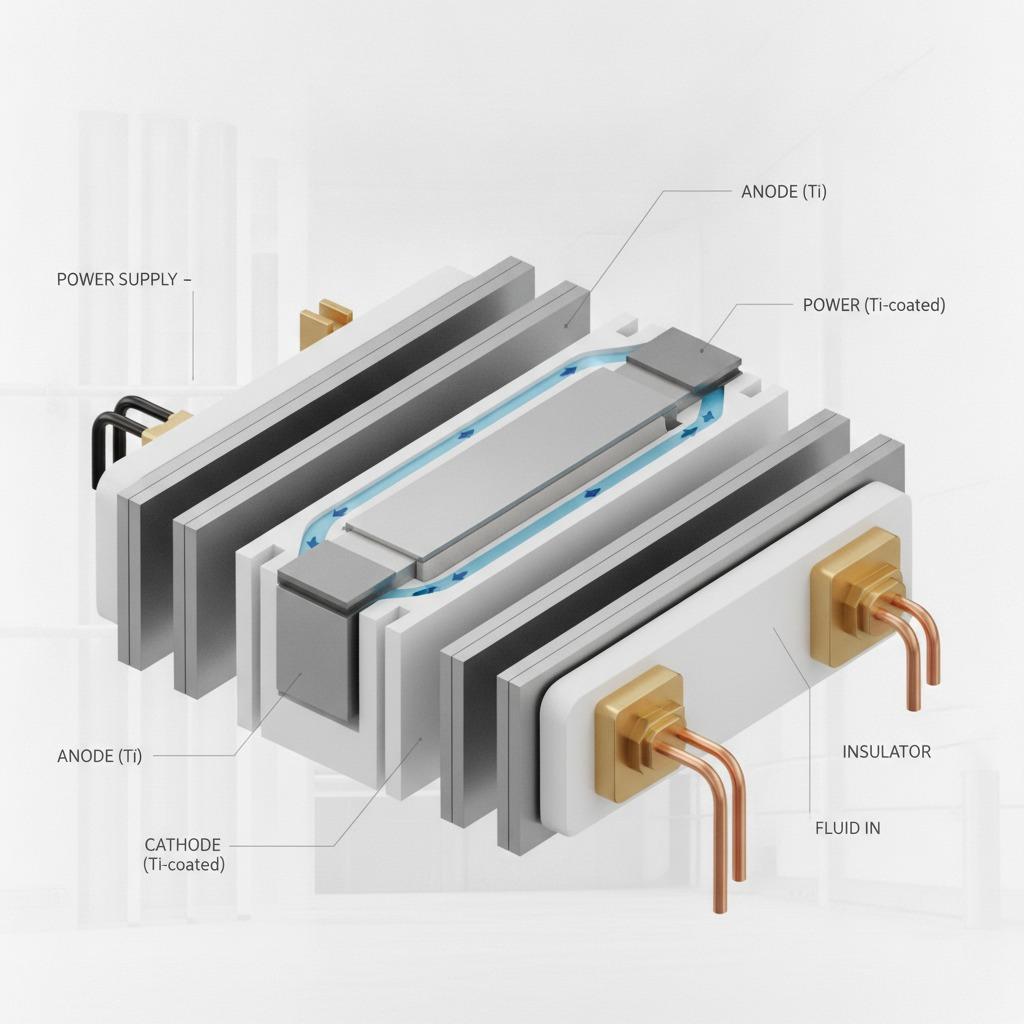
1. Why buyers keep asking about a titanium anode for disinfection
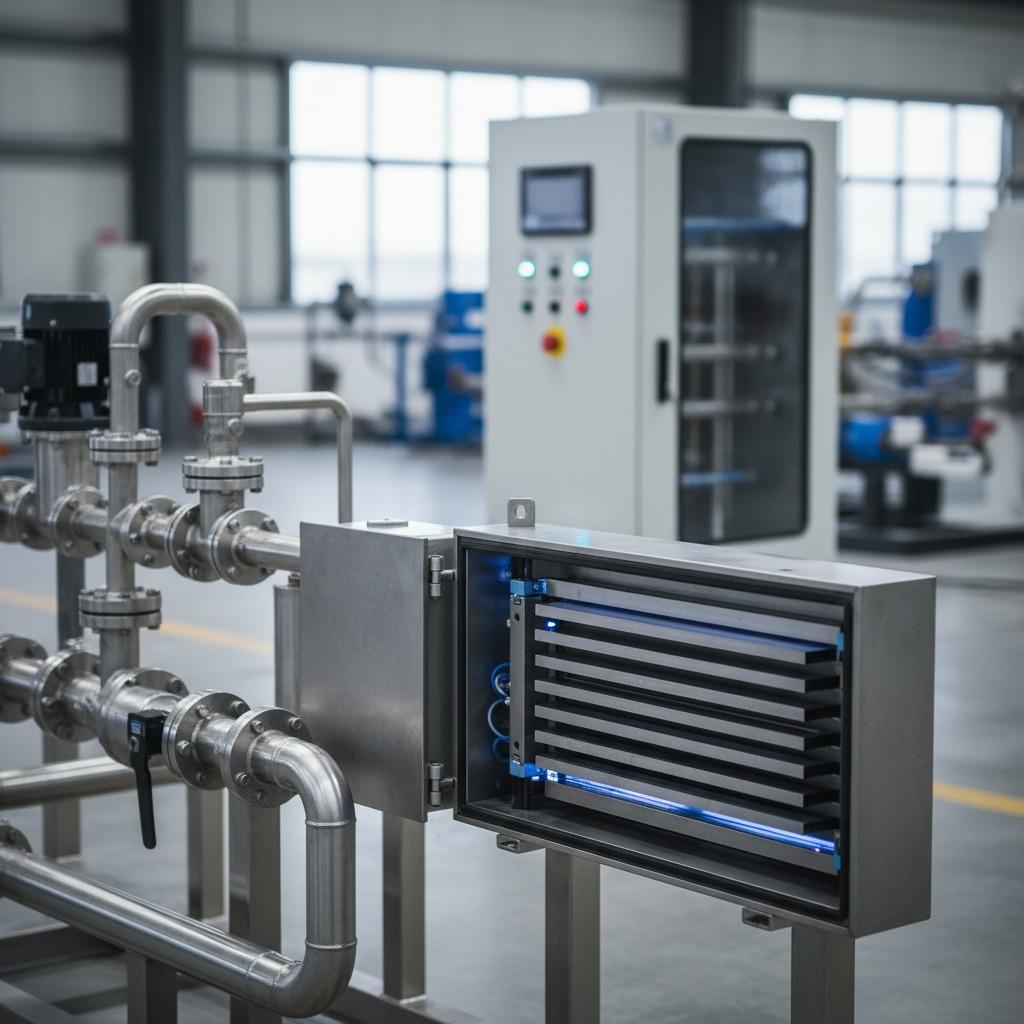
A titanium anode for disinfection sits in a very practical corner of industrial equipment selection: it is not bought for looks, and it is rarely chosen on brand name alone. Engineers, sourcing managers, and product teams usually want the same thing — stable electrochemical performance, a durable substrate, and a setup that can survive real operating conditions without becoming a maintenance headache.
That matters because disinfection systems tend to fail in unglamorous ways. Coatings wear. Electrodes foul. Water chemistry shifts. A part that seemed perfectly adequate on paper can become expensive once output drops or cleaning cycles become too frequent. So the real decision is not simply “titanium or not,” but which electrode construction makes sense for the treatment process, the water quality, and the service environment.
2. Quick takeaways buyers usually need first
- Titanium is often used as a substrate because it offers strong corrosion resistance in demanding electrochemical environments.
- The active coating or surface treatment is often the part that determines performance, not the base metal alone.
- Disinfection use cases can include water treatment, sanitation equipment, and related electrochemical systems, but the exact design must match the process chemistry.
- For procurement, compatibility and stability usually matter more than chasing the cheapest initial quote.
- When the wrong electrode is chosen, the cost usually shows up later in downtime, replacement frequency, or inconsistent output.
3. What a titanium anode actually does in a disinfection system
In simple terms, the anode is the positive electrode in an electrochemical setup. In disinfection applications, it helps drive reactions that support water treatment or surface sanitation. The titanium base is valued because it can serve as a mechanically stable support while resisting the kind of corrosion that would quickly damage ordinary metals.
That does not mean all titanium anodes are interchangeable. The geometry, coating, current distribution, and installation method all influence performance. A large flat plate behaves differently from a mesh or cylindrical form. A buyer who treats them as equivalent is usually asking for trouble.
4. Common forms and why shape matters
4.1 Mesh and perforated forms
Mesh or perforated electrode forms are often chosen when surface area and fluid contact are important. More exposed surface can help with electrochemical efficiency, though the practical gain depends on the rest of the cell design. These forms are also useful when the system needs flow-through behavior rather than a solid barrier.
4.2 Plates, tubes, and custom assemblies
A plate may suit a compact unit. A tube or cylindrical assembly may fit inline equipment or chambers where uniform exposure around a central zone matters. Custom assemblies are common in industrial work, and that is one place where buyers need to slow down. A drawing that looks tidy can still miss the real-world problem of mounting, cleaning access, or electrical connection.
5. Selection criteria that matter more than sales claims
If you are comparing a titanium anode for disinfection, start with the operating environment. What is the fluid? Is it clean water, process water, or something with aggressive chemistry? What current density will the unit run at? How often will it be cycled? Those answers decide whether a given anode is appropriate.
Then look at the support structure and coating system. Titanium alone is not the whole story. The surface layer is usually where the functional chemistry happens, and the wrong pairing can reduce service life or reduce disinfection efficiency. It is worth asking for material information in plain language rather than accepting broad, vague descriptions.
A small practical caution: if a supplier cannot clearly explain the anode construction, that is usually a warning sign, even if the pricing looks attractive.
6. Buyer mistakes that are easy to make
- Buying by substrate only and ignoring the coating system.
- Assuming a larger electrode is always better without checking current distribution.
- Overlooking mounting and electrical connection details.
- Specifying a part before confirming water chemistry or cleaning method.
- Comparing samples without testing them in the actual process conditions.
7. Where the black cylindrical mesh sleeve in your reference image fits into the conversation
The image data provided shows a black metal cylindrical sleeve or mesh guard with an open top and bottom, made from perforated or expanded sheet metal and finished with a dark coating. It also has two upright tabs, likely for handling or mounting. That kind of part is not itself a titanium anode, but it is the sort of surrounding hardware that often appears in industrial equipment — as a guard, liner, filter basket, heat shield, or protective screen.
For buyers, that distinction matters. A disinfection system may use electrode components alongside protective cages, flow sleeves, or supporting housings. The anode and its surrounding fabricated parts may be sourced separately, and each one needs a different set of checks. The cage can be mild steel, stainless steel, or another sheet metal construction depending on the application; from the image alone, that cannot be confirmed.
8. Practical questions to ask before ordering
- What is the anode base material and what coating is used?
- Is the part intended for water disinfection, sanitation, or another electrochemical function?
- What operating environment does it need to survive?
- How is the anode mounted and connected?
- Are replacement cycles expected to be regular, and how easy is service access?
9. A sensible next step
If you are sourcing a titanium anode for disinfection, the best next move is not to start with price. Start with process conditions, electrode geometry, and the supporting hardware around the cell. Then compare suppliers on how clearly they can match those details to your application. That is usually where the better long-term decision becomes visible.
If you are still early in the project, collect the operating data first — fluid chemistry, size constraints, power conditions, and mounting requirements — and only then shortlist candidates. That saves more time than most teams expect.