
 EN
EN  ZH
ZH  JA
JA  DE
DE 
Blog
Titanium Anode Plates: What Buyers Should Check Before Ordering
1. What titanium anode plates are doing in a plating line
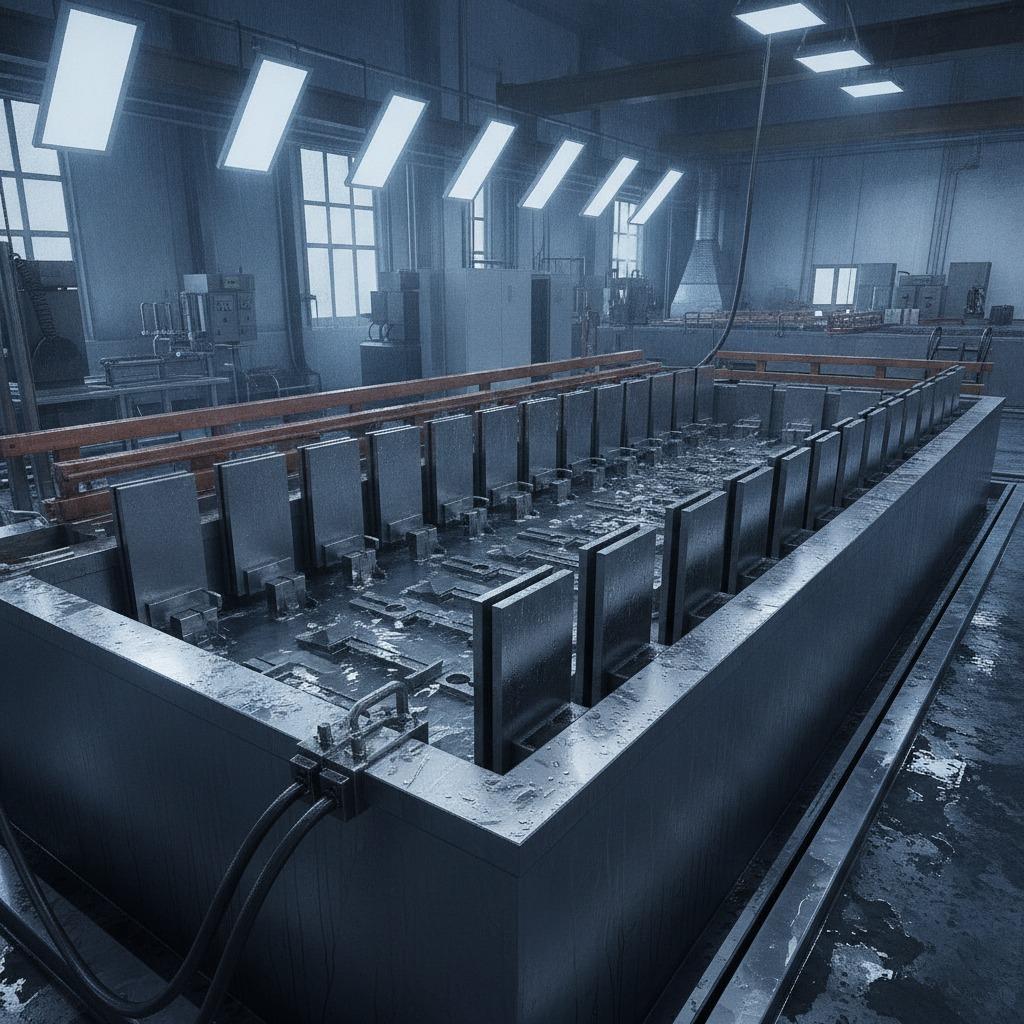
Titanium Anode Plates,Titanium anode plates are one of those parts people notice only when a plating tank starts behaving badly. In electroplating and other metal-finishing systems, the anode has a straightforward job: carry current into the bath in a controlled, corrosion-resistant way. The appeal of titanium is not mystery. It is the combination of mechanical strength, chemical resistance, and the ability to serve as a stable base for anodic use in demanding wet processes.
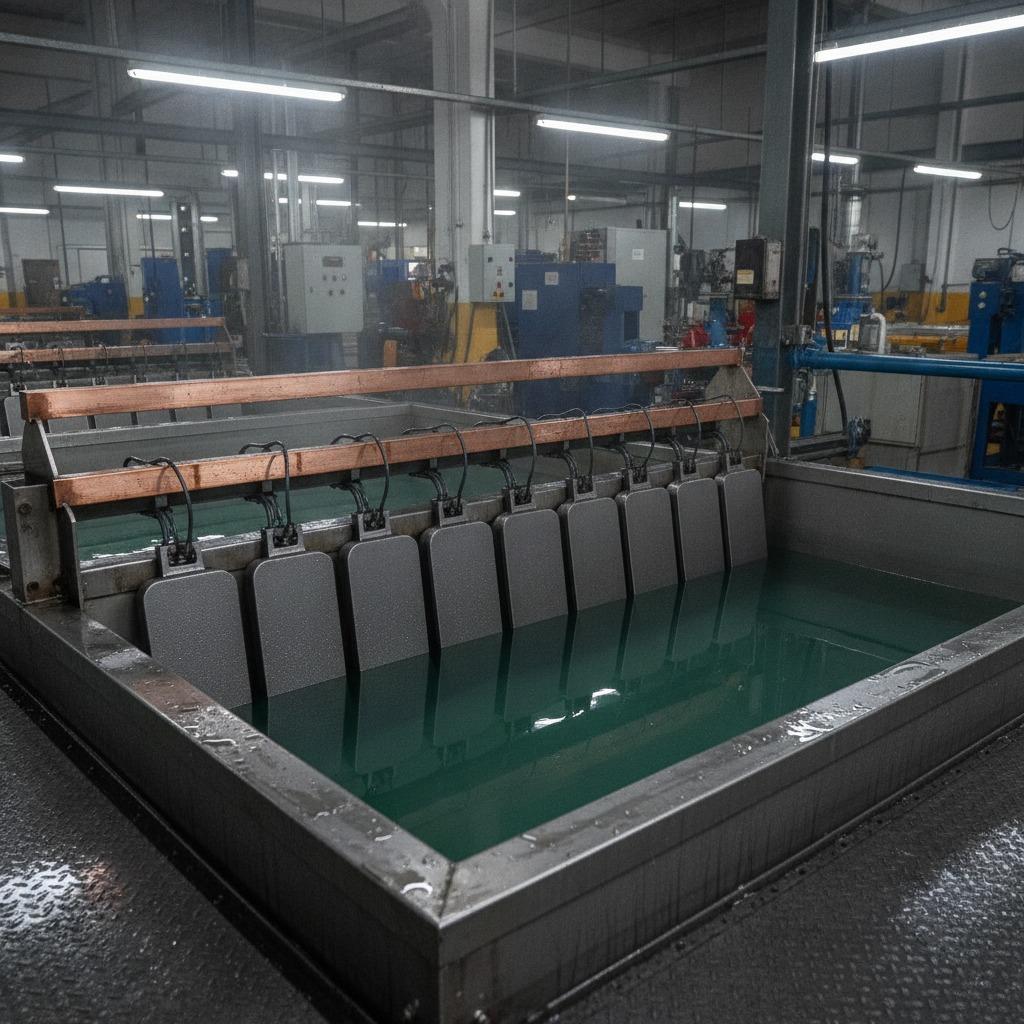
For sourcing teams and process engineers, the real question is not whether the plate is “strong” in a general sense. It is whether the anode shape, surface construction, and mounting style fit the bath, the current distribution, and the maintenance routine. A plate that looks right but is wrong for the tank can create edge build-up, poor throwing power, or unnecessary downtime. That is why buyers often compare titanium anode plates by geometry first and chemistry second, at least at the early stage.
2. Quick buyer checklist: the details that matter first
Before getting lost in coating talk or catalog language, a practical buyer usually checks a short list:
1. Active area shape and size. A flat rectangular panel gives predictable coverage in many tank layouts, but it still has to match the work envelope.
2. Mounting layout. The visible lower tab or connector lug, plus a single mounting hole, suggests a simple fixed installation. That is useful, but only if it matches your busbar, hanger, or support hardware.
3. Surface form. The dark, textured look may indicate a coated titanium substrate or a mesh-like structure. That matters because surface construction influences current transfer and effective area.
4. Service environment. Plating chemistry, temperature, and operating load all affect whether a given anode assembly is suitable. If the chemistry is aggressive, do not assume a generic replacement will behave the same way as the original.
3. Why the visible design of the plate is a clue, not a full specification
The product described here has a simple, functional geometry: a planar active section, a narrow extension for connection, and one mounting hole. That is common in industrial electroplating hardware because simplicity reduces fabrication complexity and makes installation easier. Still, the visible design only tells part of the story.
A buyer may be tempted to treat all titanium anode plates as interchangeable. That is a mistake. The substrate, any coating present, and the exact fabrication method can change how the part performs in service. A dark finish does not automatically mean a specific coating system, and a textured surface does not prove a mesh construction. Those details need confirmation from drawings, datasheets, or direct vendor documentation.
4. Common titanium anode plate formats you are likely to compare
Flat panel style
This is the simplest format and the easiest to fit into a standard plating rack or tank support arrangement. It is often chosen where a broad, uniform anodic face is needed.
Mesh or expanded surface style
A mesh-like surface can increase active area without making the part feel bulky. In a plating bath, that can be useful for current distribution, though the practical gain depends on the process and the coating system.
Plate with integrated lug
The integrated tab or connector lug is a small thing that becomes a big thing during installation. It can simplify electrical connection and reduce improvised hardware at the tank edge. That said, a lug with a single mounting hole should be checked carefully for load support and contact reliability.
5. Selection criteria that save trouble later
The best procurement decisions usually come from boring questions asked early. What current does the bath actually draw? How often is the tank cleaned? Is the anode meant as a replacement or a redesign? Is the part exposed to mechanical handling during changeout? These questions are not glamorous, but they separate a useful spare from an expensive shelf item.
Also, pay attention to corrosion resistance and electrical contact. A titanium base is attractive because it stands up well in wet industrial service, but the overall anode assembly still depends on proper contact points, solid mounting, and compatibility with the electrolyte. If contact is poor, even a well-made plate can underperform.
6. Mistakes buyers make with replacement anodes
One common mistake is ordering by appearance alone. Another is assuming a previous supplier’s part number can be copied without checking whether the process has changed. Tank chemistry evolves. Rack layouts change. Even small changes in line loading can affect anode performance.
A second mistake is ignoring the mounting interface. The visible single hole in the lug sounds minor, but hole size, position, and access can decide whether installation is clean or awkward. In a shop environment, awkward usually becomes slow, and slow becomes costly.
7. Practical questions to ask a supplier
Ask for the drawing. Ask whether the part is solid, coated, or mesh-based if that is not clearly stated. Ask what chemical service it was designed for. If the answer is vague, treat it as a signal to slow down rather than move faster.
If you are comparing titanium anode plates for a plating line, the right decision is the one that fits your tank, your electrical setup, and your maintenance routine—not just the one that looks closest in a photo.
8. What to do next
For replacement planning, start with the existing anode dimensions, mounting method, and bath conditions. Then compare the active area and connector layout against your current hardware before placing an order. That small amount of checking often prevents the larger cost of rework later.