
 EN
EN  ZH
ZH  JA
JA  DE
DE 
Blog
Custom Titanium Anode Plate: 7 Things Buyers Should Know
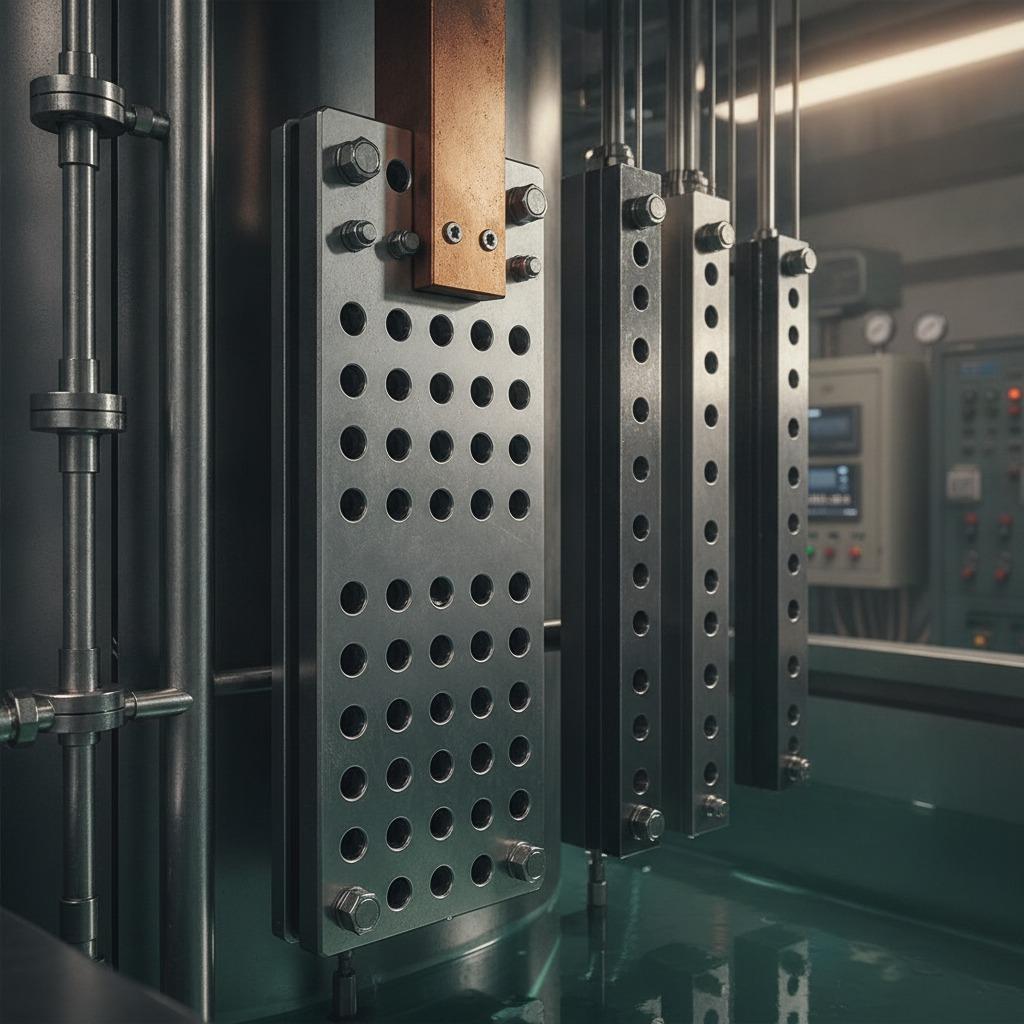
7 Things Buyers Should Know About a Custom Titanium Anode Plate
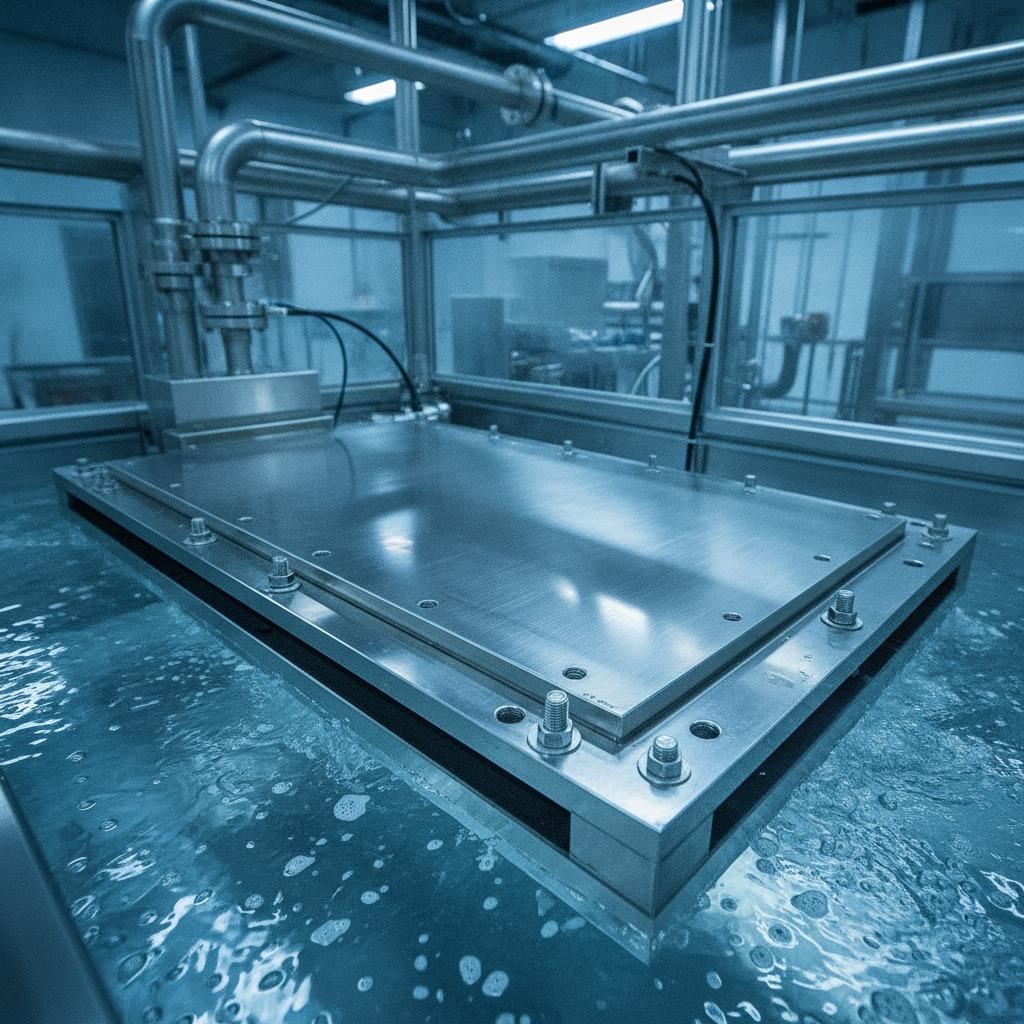
A custom titanium anode plate is not the kind of component most buyers think about until a cell line, plating tank, or electrochemical system starts demanding more stability than a stock part can offer. When the current path, bath chemistry, or mounting geometry is unusual, standard plates can become the weak link. That is where a custom-made titanium anode plate earns its place: not by being flashy, but by matching the actual job.
For sourcing managers and engineers, the real question is usually not whether titanium is a good material. It is whether the plate needs to be customized at all, and if so, which details matter enough to specify up front. A small omission in the drawing can turn into poor contact, uneven current distribution, or a plate that is awkward to install and maintain.
1. Why titanium is chosen for anode plate work
Titanium is widely used in electrochemical equipment because it offers a useful balance of strength and corrosion resistance. In anode applications, the base metal often acts as a durable substrate rather than the active surface itself. Depending on the process, the plate may be used with a coating system or as part of a larger electrode assembly. The benefit is straightforward: you get a metal that stands up well to harsh service without adding unnecessary bulk.
That said, titanium is not a universal answer. It is chosen when the operating environment and electrical function justify the material cost and fabrication effort. Buyers who treat it as a plug-and-play substitute often miss the point. The value lies in fit, performance, and service life, not just in the metal name.
2. What makes a plate “custom” in practical terms
A custom titanium anode plate can be customized in several ways, and not all of them are obvious at first glance:
- Overall shape and outline to match a tank, fixture, or electrode frame
- Hole placement for mounting, suspension, or electrical connection
- Thickness selection based on mechanical support and handling needs
- Edge preparation to reduce burrs, sharp corners, or stress points
- Surface preparation to support downstream coating or bonding steps
In real projects, the outline is only half the story. The details that save time in production are usually the ones that are easiest to forget in the quote stage.
3. 6 buyer checks before you approve a drawing
1) Confirm the working environment
Bath chemistry, temperature, current density, and exposure time all influence material and finish choices. If those conditions are still moving targets, say so early.
2) Define the electrical function
Is the plate serving as a current-bearing member, a support, or part of a coated anode assembly? Those are not interchangeable jobs.
3) Lock down the mounting method
Even a good plate becomes troublesome if the fixing method forces awkward assembly or unreliable contact.
4) State the critical dimensions
Do not assume the fabricator will infer the important edges, radii, or hole tolerances from a sketch. That is a common source of rework.
5) Ask how the part will be fabricated
Machining, cutting, forming, and finishing each leave different marks. If cosmetic consistency matters, mention it.
6) Clarify whether coatings or secondary processing are included
Some custom titanium anode plate projects require additional surface treatment; others do not. Make the scope explicit so quotes are comparable.
4. Common mistakes that create avoidable delays
One frequent problem is under-specifying the profile. A plate may look simple on paper, but the actual fit can depend on a single notch, tab, or offset. Another mistake is assuming all titanium sheet behaves the same after fabrication. Material condition, handling, and downstream processing can affect the final part more than buyers expect.
It is also worth being cautious about over-optimizing for price. In electrode hardware, a small savings upfront can become expensive if the part needs frequent replacement or causes uneven operation. Buyers should compare not only unit cost, but the cost of installation time and the risk of downtime.
5. How to evaluate suppliers without overcomplicating the RFQ
A good RFQ for a custom titanium anode plate should include a drawing, quantity, intended service environment, and any secondary requirements such as finishing or assembly constraints. If the design is still evolving, ask the supplier what information would most improve manufacturability. Practical fabricators usually spot problems early, before they become schedule issues.
For teams managing multiple sources, the useful comparison is not who claims the broadest capability. It is who asks the most precise questions about the application. That usually tells you whether they understand the difference between a decorative titanium part and a working electrode component.
6. Quick FAQ for buyers
Is titanium always the best choice for anode plates?
No. It is a strong option in many corrosive or demanding electrochemical environments, but the application should drive the material decision.
Do custom plates need special drawings?
Usually yes, even if the part seems simple. A clear outline and hole map reduce the risk of interpretation errors.
Can the same plate be used across different processes?
Not safely assumed. Process chemistry and operating conditions can change the suitability of the plate or its finish.
Next step for engineering and sourcing teams
If you are specifying a custom titanium anode plate, start with the application, then work backward into geometry, mounting, and finishing. The best results usually come from a drawing that is specific enough to avoid guesswork, but still honest about what is not yet fixed. That balance saves time on both sides of the quote.