 EN
EN  ZH
ZH  JA
JA  DE
DE 
Blog
Anode Materials for Wastewater Treatment: Titanium Electrode Benefits
Ultimate Guide to Selecting Anode Materials for Effective Wastewater Treatment
In the realm of wastewater treatment, choosing the right anode materials is crucial for optimizing electrochemical processes. Anode materials serve as the foundation for generating essential reactions that break down contaminants, ensuring cleaner water output. This guide will walk you through how to select and implement high-quality anode materials, focusing on titanium electrodes, to achieve superior results in your treatment systems.
Understanding Anode Materials and Their Role in Wastewater Treatment
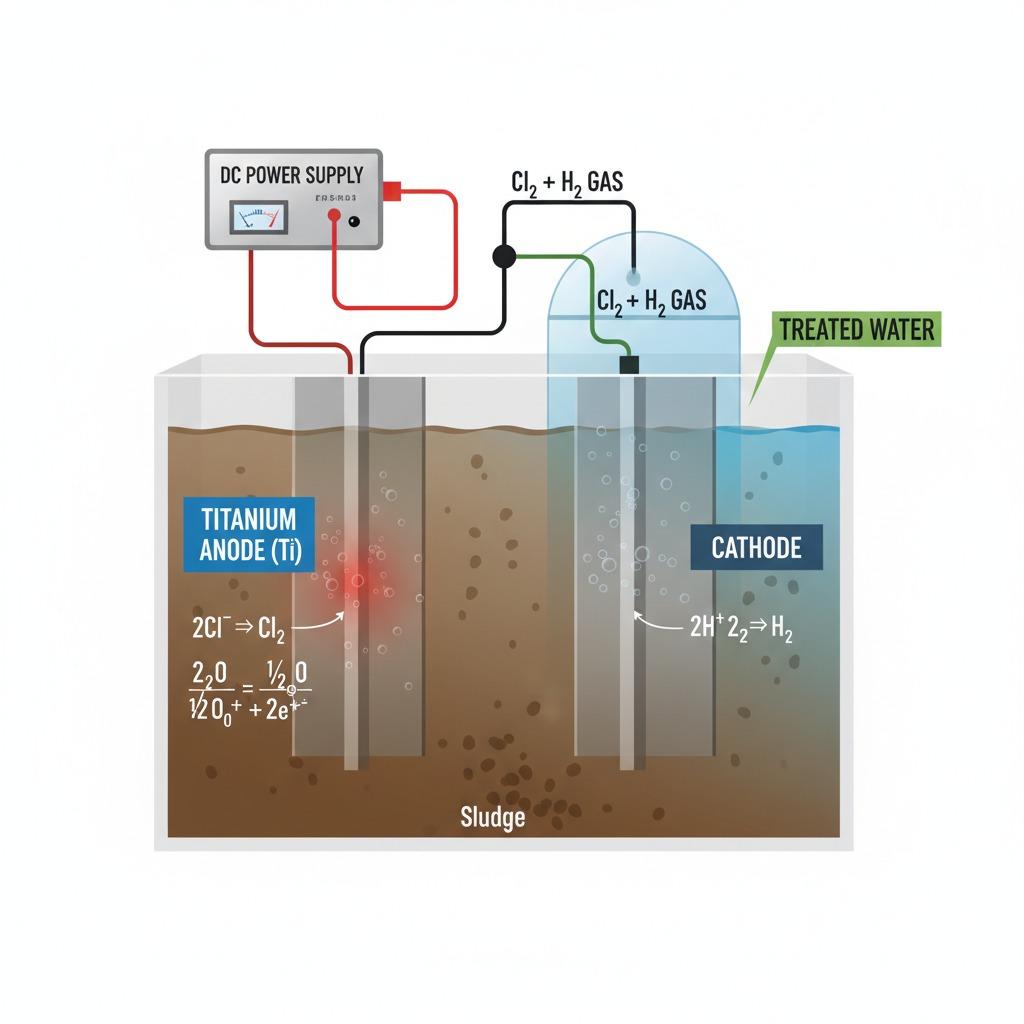
Anode materials are essential components in electrochemical cells used for wastewater treatment. They facilitate oxidation reactions that degrade organic pollutants and remove harmful ions. When selecting anode materials, prioritize those with high conductivity and resistance to corrosion, as harsh wastewater environments can quickly degrade inferior options. Start by assessing your specific treatment needs—such as the type of contaminants and volume of wastewater—to determine the ideal material. For instance, materials like mixed metal oxides coated on a titanium base offer longevity and efficiency. Begin your project by researching material specifications, ensuring they align with industry standards for durability. Testing small-scale prototypes can help verify performance before full implementation.
Why Titanium Electrodes Are Ideal Anode Materials for Wastewater Treatment
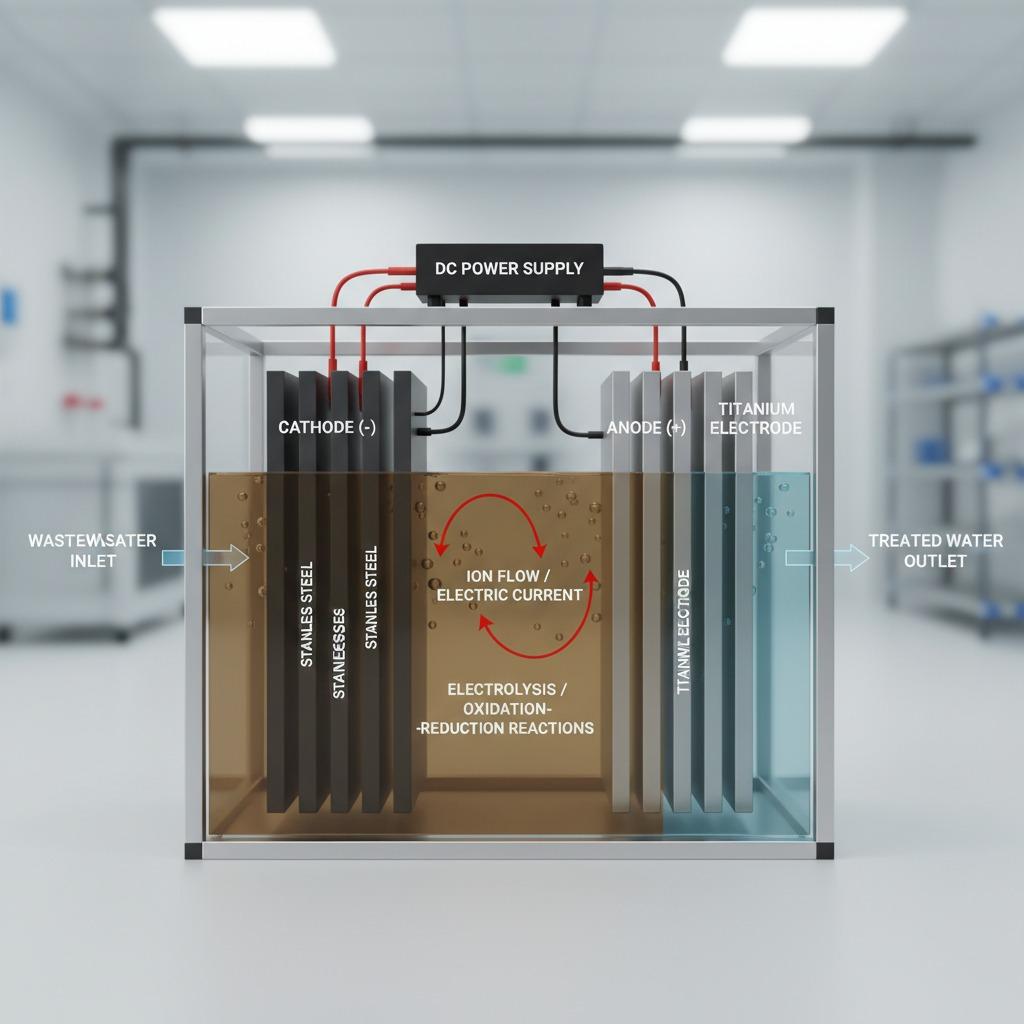
Titanium electrodes stand out as premier anode materials due to their exceptional properties. These electrodes, often featuring a ruthenium or iridium oxide coating, provide outstanding resistance to the acidic and oxidative conditions prevalent in wastewater treatment. To integrate titanium electrodes into your system, first evaluate the electrode’s plate design—parallel configurations maximize surface area, boosting reaction efficiency. Installation involves securing the electrodes in your electrochemical reactor, connecting them to a power source, and monitoring current density to avoid overheating. Regular maintenance, such as periodic cleaning to remove scaling, ensures sustained performance. By choosing titanium electrodes as your anode materials, you reduce downtime and energy consumption, making them a smart investment for industrial applications.
Step-by-Step Implementation of Anode Materials in Your Wastewater Treatment Setup
Implementing anode materials effectively requires a structured approach. Step 1: Conduct a site audit to understand your current wastewater composition and treatment goals. Step 2: Source high-quality titanium electrodes compatible with your existing infrastructure. Our state-of-the-art titanium anode for water treatment applications, with its robust and highly conductive titanium base, is designed for such scenarios, offering durability in demanding environments. Step 3: Prepare the installation site by ensuring proper electrical grounding and fluid flow paths. The sleek, parallel plates in this advanced anode maximize surface area, optimizing electrochemical reactions for enhanced efficiency. Step 4: Power up the system gradually, monitoring pH and oxidation-reduction potential to fine-tune operations. High-purity titanium construction resists corrosion while providing exceptional conductivity, ideal for various electrochemical needs in wastewater treatment. Step 5: Schedule routine inspections to maintain peak performance, minimizing maintenance costs. This anode system offers increased operational reliability and is easy to install, serving as a seamless upgrade for any water treatment facility.
Advanced Tips for Optimizing Anode Materials Performance
To maximize the benefits of anode materials in wastewater treatment, consider advanced strategies. Pair titanium electrodes with automated control systems to adjust voltage based on real-time contaminant levels, ensuring consistent results. Experiment with electrode spacing to balance reaction rates and energy use—closer spacing can intensify reactions but may increase resistance. Additionally, incorporate pre-treatment steps like filtration to protect your anode materials from particulates that could reduce lifespan. For long-term success, track key metrics such as removal efficiency and electrode degradation rates. Our cutting-edge titanium anode sets new standards in water treatment technology, delivering unparalleled efficiency and performance. By following these guidelines, you can transform your wastewater treatment process, achieving cleaner water with reduced environmental impact.
Conclusion: Elevate Your Wastewater Treatment with Superior Anode Materials
Mastering the use of anode materials, particularly titanium electrodes, is key to revolutionizing wastewater treatment. This guide equips you with the knowledge to select, install, and optimize these components for optimal outcomes. Invest in reliable solutions to ensure sustainable, efficient operations in your facility.