
 EN
EN  ZH
ZH  JA
JA  DE
DE 
Blog
Cathodic Protection Systems: Advanced Methods and Design
Cathodic Protection Systems: Safeguarding Infrastructure from Corrosion

Cathodic protection systems are vital engineering solutions designed to prevent corrosion in metal structures like pipelines, storage tanks, and offshore platforms. By making the metal the cathode in an electrochemical cell, these systems effectively halt the degradation caused by environmental factors such as soil moisture, saltwater, or industrial chemicals. In industries where reliability is paramount, implementing robust cathodic protection systems can extend the lifespan of assets, reduce downtime, and ensure compliance with safety standards.
Understanding Cathodic Protection Methods
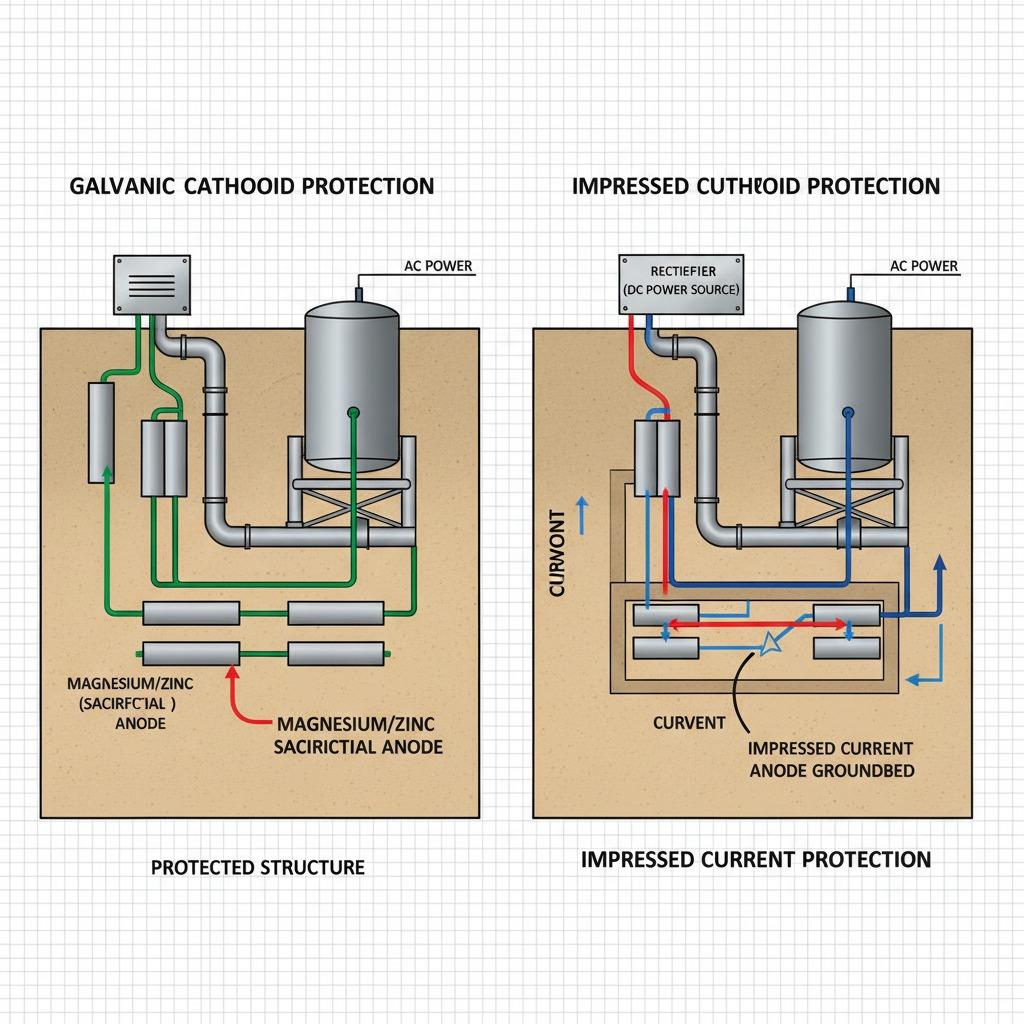
Cathodic protection methods primarily fall into two categories: galvanic and impressed current systems. Galvanic cathodic protection, also known as sacrificial anode protection, uses more reactive metals like zinc or magnesium that corrode preferentially, protecting the base structure. This method is simple, requiring no external power source, making it ideal for smaller installations or remote locations. On the other hand, impressed current cathodic protection employs an external DC power source to drive protective currents through inert anodes, offering greater control and suitability for large-scale applications like oil pipelines spanning vast distances.
Both cathodic protection methods rely on the strategic placement of anodes to create a protective electrical field. Factors such as soil resistivity, structure geometry, and environmental conditions influence the choice of method. For instance, in marine environments, galvanic systems with aluminum anodes are common due to their efficiency in seawater. Proper monitoring and maintenance ensure these cathodic protection methods remain effective over time, preventing issues like under-protection that could lead to catastrophic failures.
Key Aspects of Cathodic Protection Design
Cathodic protection design begins with a thorough assessment of the structure’s exposure risks and the surrounding environment. Engineers must calculate the required current density, anode output, and spacing to achieve uniform protection. Software simulations and field surveys help optimize the layout, ensuring minimal interference with nearby structures. A well-executed cathodic protection design incorporates high-quality components, such as transformer-rectifiers for impressed current setups and durable anode materials for both methods.
In practice, cathodic protection design also considers lifecycle costs, including installation, operation, and replacement. For example, specifying anodes with extended service life reduces long-term expenses. Recent advancements in materials, like mixed metal oxide anodes, enhance performance in aggressive soils, making designs more resilient. Compliance with standards from organizations like NACE International is crucial to validate the cathodic protection design’s efficacy and safety.
Enhancing Your Cathodic Protection Systems with Innovative Anode Rods
To elevate the effectiveness of your cathodic protection systems, integrating cutting-edge anode rods can make a significant difference. Our new essential component in the field of cathodic protection features sleek, precisely engineered anode rods designed to provide superior protection against corrosion for metal structures such as pipelines and storage tanks. Crafted from high-quality materials, these anodes ensure long-lasting durability and performance in harsh environments. Their streamlined design maximizes efficiency and ease of installation, while the advanced coating enhances conductivity and protection.
Ideal for both large-scale industrial applications and smaller projects, these anode rods are essential for maintaining the integrity and longevity of critical infrastructure, ensuring safety and minimizing maintenance costs. Whether incorporating them into galvanic cathodic protection methods or as part of a sophisticated impressed current setup, they seamlessly align with comprehensive cathodic protection design principles. By choosing these innovative anodes, you not only bolster your cathodic protection systems but also invest in sustainable, cost-effective corrosion management that stands the test of time.
In summary, mastering cathodic protection systems through informed choices in methods and design is key to protecting vital assets. With reliable components like our advanced anode rods, industries can achieve unparalleled protection and peace of mind.