
 DE
DE  EN
EN  ZH
ZH  JA
JA 
Der Blog
Anodenplatte aus Titangewebe: Worauf Käufer zuerst achten sollten
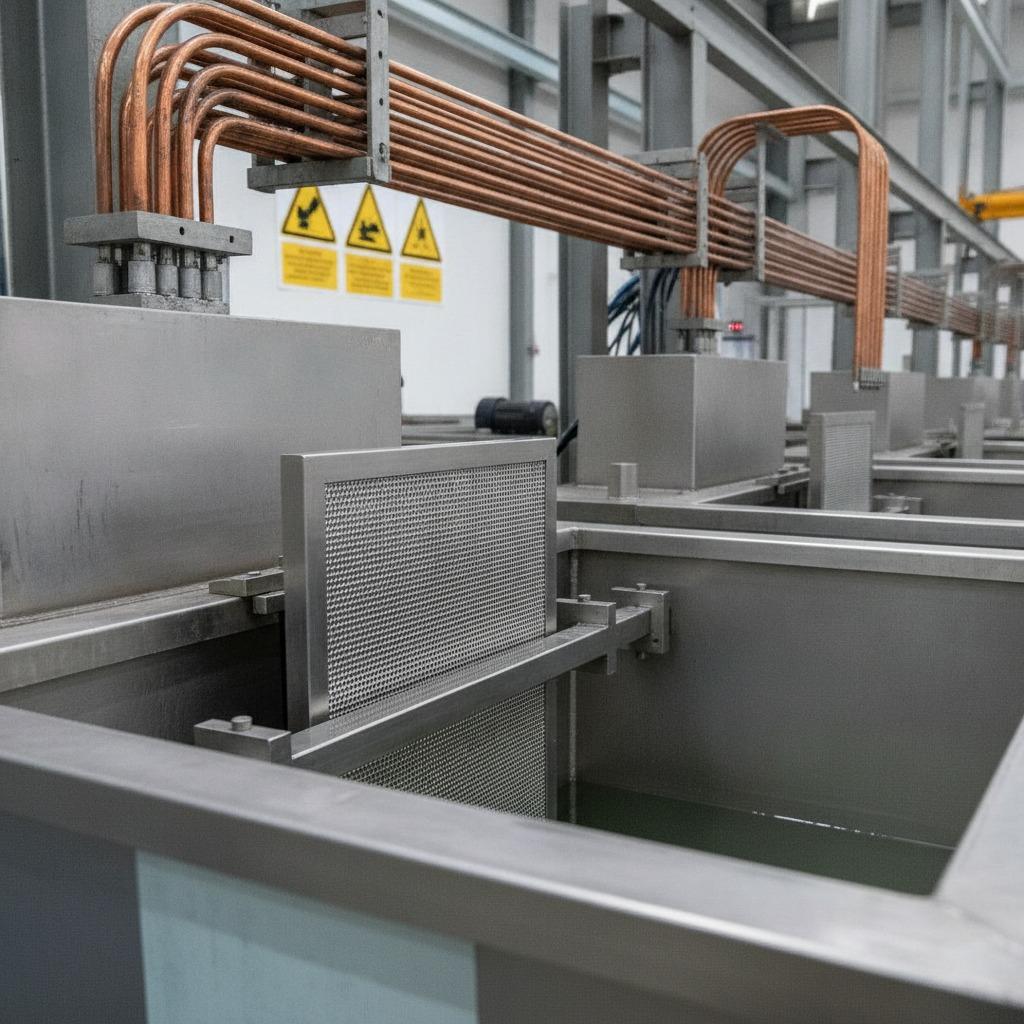
Why a titanium mesh anode plate matters in real production
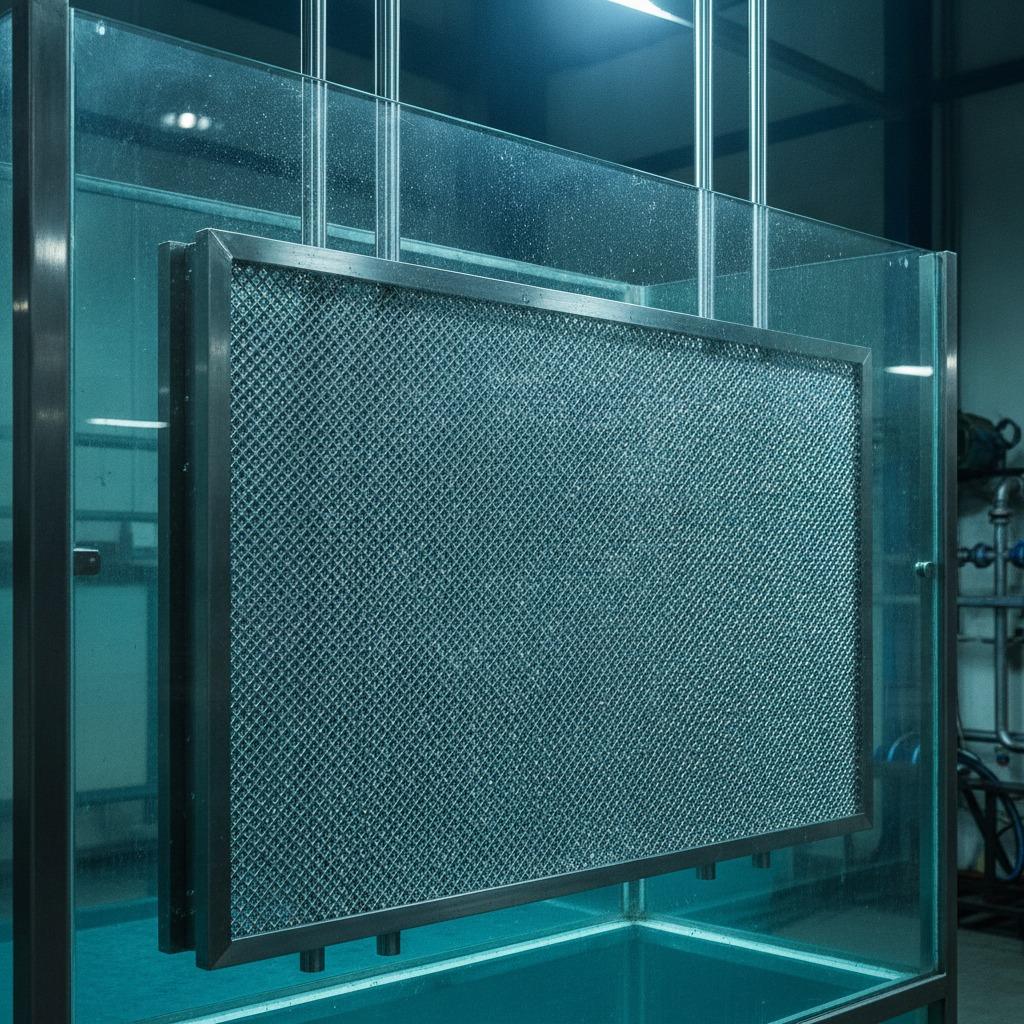
A titanium mesh anode plate is one of those components that rarely gets attention until the plating line slows down or the current distribution starts to drift. For engineers and sourcing teams, the question is usually not whether titanium is a sensible base material—it often is—but how the mesh design will behave in an actual cell, tank, or electrochemical assembly. That is where the details matter: open area, stiffness, cut quality, coating compatibility, and how the plate is handled during installation.
In many industrial systems, a mesh form is chosen because it gives the anode a large active surface while keeping weight and material usage under control. The plate geometry can also help electrolyte flow and reduce dead zones, which is useful when process stability depends on uniform electrochemical action rather than brute force current. If you are evaluating a titanium mesh anode plate for a new build or replacement program, the decision is rarely about the mesh alone. It is about fit, repeatability, and whether the component matches the surrounding equipment without creating avoidable maintenance work.
What the plate is trying to solve
A solid plate and a mesh plate do not behave the same way. A solid structure is straightforward, but it can restrict flow and concentrate effects in ways that are not always welcome. A titanium mesh anode plate, by contrast, gives the system more openness. That can improve circulation and help distribute current more evenly across a working area. The tradeoff is that the mesh must be designed and fabricated carefully enough to stay flat, resist distortion, and hold up through installation and service.
That matters because electrochemical hardware is often judged by the mess it does not create. If the plate warps, touches an adjacent part, or loses useful surface area at the edges, the problem spreads into the process. Even a small mechanical mismatch can show up later as uneven treatment, higher maintenance, or a line that simply needs more attention than it should.
Key points buyers should check first
Mesh geometry and open area
Mesh size affects flow, current distribution, and structural rigidity. A more open design usually helps circulation, but it can also reduce stiffness. A tighter pattern may be more robust, though it can be less friendly to fluid movement. The right balance depends on the application and the surrounding cell design.
Base titanium quality
Titanium is used because of its corrosion resistance and mechanical stability in demanding electrochemical environments. Still, buyers should not treat “titanium” as a single-answer specification. The starting sheet, wire, or expanded form needs to suit the fabrication route and the service environment.
Coating or surface system
Many titanium anodes rely on a functional coating to do the actual electrochemical work. That coating choice is central to performance, but it is not something to guess at. The coating system should be matched to the chemistry and operating conditions. If the supplier cannot explain that plainly, keep asking.
Edge quality and dimensional repeatability
A mesh plate may look simple, but poor trimming or inconsistent forming can create handling problems. Clean edges and repeatable dimensions make installation easier and reduce the chance of snagging, bending, or uneven spacing in the assembly.
How the part is typically made
Depending on the design, a titanium mesh anode plate may be made from sheet-based titanium, expanded metal, or formed mesh stock. Fabrication usually involves cutting, shaping, and then finishing steps that prepare the part for its final electrochemical role. In some cases, additional coating or surface treatment is applied after the base form is prepared.
This is where sourcing teams should be practical. The best-looking sample is not always the best production part. What matters is whether the manufacturing route gives you consistent geometry from lot to lot and enough mechanical integrity for the installation method used on your line.
Häufige Auswahlfehler
One common mistake is choosing the plate mainly by material name and ignoring geometry. Another is assuming a denser mesh will automatically perform better. It may not. Process conditions, electrolyte movement, and the available mounting space matter just as much.
A second mistake is overlooking handling and maintenance. Mesh components can be efficient, but they are still industrial parts. If the design makes cleaning, inspection, or replacement awkward, that cost shows up later. Buyers often remember this only after the first maintenance cycle.
Praktische Ratschläge für Beschaffungsteams
When comparing options, ask for clear information on the mesh pattern, base titanium form, fabrication method, and any coating system involved. If the supplier can provide consistent part geometry and explain how the plate is intended to be mounted, that is usually more useful than broad claims about performance.
For engineers, the most reliable choice is usually the one that fits the equipment cleanly, supports the process chemistry, and avoids forcing the rest of the system to compensate for a weak component. For buyers, that means looking beyond the word “titanium” and into the actual build.
Nächster Schritt
If you are evaluating a titanium mesh anode plate for a new line, retrofit, or replacement program, start with the application first and the part second. Define the operating environment, the mounting constraints, and the service expectations. Then compare mesh geometry and fabrication quality against those needs. That approach saves time, and more importantly, it saves the line from avoidable surprises.