
 EN
EN  ZH
ZH  JA
JA  DE
DE 
Blog
Titanium Anode Selection Guide for Industrial Buyers
Why titanium anode selection matters in real plant work
Choosing a titanium anode is rarely just a materials question. For engineers and sourcing teams, it is usually a decision about service life, electrical stability, corrosion resistance, and how much maintenance a line can tolerate before it starts to disrupt production. In electrolytic systems, plating lines, water treatment setups, or other industrial processes that rely on controlled current transfer, the anode is one of those parts that can look simple and still drive the whole operating cost.
The market can make the part sound interchangeable, but it is not. The substrate, coating system, geometry, and connection detail all affect performance. A buyer who treats an anode like a generic commodity often ends up replacing it too early, or worse, discovering too late that the chosen part is not suited to the chemistry or current density of the job.
What a titanium anode is expected to do
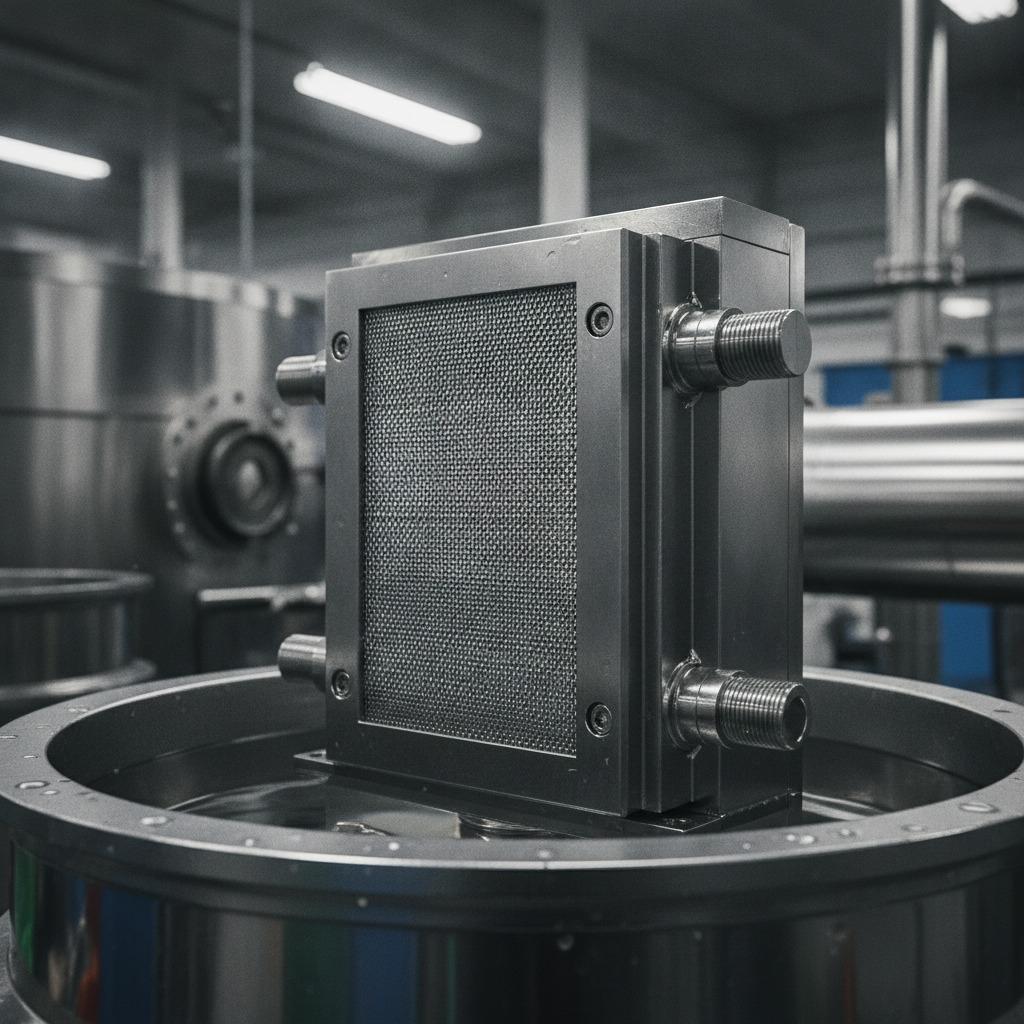
titanium anode for seawater cathodic protection,At a practical level, a titanium anode is a stable conductive base used in electrochemical service where resistance to corrosion matters. Titanium is attractive because it holds up well in aggressive environments, while the active surface is typically engineered for the specific process. That distinction matters. The titanium body is only part of the story; the coating or surface treatment is what usually determines how the anode behaves under load.
For sourcing teams, the key question is not simply “Is it titanium?” but “What kind of titanium anode is it, and what process was it built for?” A part intended for chlorine-rich service, for example, should not be assumed suitable for a different electrolyte, temperature range, or duty cycle. That is where many procurement shortcuts unravel.
Typical forms and what buyers should compare
Titanium anodes are not a single standardized shape. In practice, buyers see meshes, plates, rods, tubes, and custom assemblies. The right form depends on how current needs to be distributed and how the anode fits into the tank or equipment layout. A mesh may help with broader current coverage; a plate can be easier to mount; a custom strip or bar may suit equipment with narrow spacing or specific contact points.
When comparing options, I would focus on four things first: geometry, connection design, coating system, and service environment. Geometry affects current distribution. Connection design affects installation quality and maintenance access. Coating system affects durability and efficiency. Service environment tells you whether the part will be exposed to acids, chloride-bearing solutions, elevated temperatures, or intermittent operation. If those last two are not matched carefully, the life of the anode can drop off fast.
How the visible part details influence performance
The product image provided shows long, narrow industrial bars or strips with repeated fastener points and threaded studs at one end. That layout suggests a component meant for secure mechanical and electrical connection, possibly in a busbar-style assembly, grounding arrangement, heater-related structure, or another industrial mounting application. While the exact function cannot be confirmed from the image alone, the structure itself gives a useful clue: this is not a loose consumable part, but something that likely depends on consistent contact, alignment, and repeatable assembly.
That same logic applies when evaluating titanium anodes. Buyers should pay attention to how terminals, studs, and mounting points are designed. Even a good anode can underperform if the contact interface is weak, the fastening is awkward, or the assembly invites uneven loading. In electrochemical equipment, a small connection issue can become a maintenance issue very quickly.
Selection criteria that matter more than marketing language
Match the chemistry first
Start with the actual electrolyte and operating conditions. Titanium anodes are chosen for a reason, and that reason changes by process. If the chemistry is uncertain, ask for the process window instead of guessing.
Look at current distribution, not just size
Two anodes of similar dimensions can behave very differently if one spreads current evenly and the other concentrates it in a few spots. Uneven distribution can create local wear, process inconsistency, or poor product quality.
Inspect the connection method
Terminal quality is easy to overlook on a drawing and expensive to ignore in the field. Threaded studs, welded tabs, and clamp interfaces should be evaluated for accessibility and repeatability. A tidy assembly on paper can become frustrating in a cramped tank or equipment frame.
Common buying mistakes
One common mistake is treating all titanium anodes as interchangeable because they share the same base material. Another is focusing only on dimensions while ignoring coating chemistry and process compatibility. A third is underestimating the importance of installation hardware. If the anode is difficult to mount, poorly supported, or prone to uneven contact, the nominal material quality will not rescue it.
There is also a subtle sourcing trap: selecting for lowest initial price rather than total service cost. In corrosive service, the cheaper part can become the more expensive one once changeout labor, downtime, and process instability are counted. Buyers know this, but it is still easy to lose sight of when comparing quotes.
Practical advice for sourcing and specification
Ask suppliers to define the substrate, coating type, intended process, connection details, and any installation limits they want the customer to observe. If the supplier cannot clearly describe those points, that is a warning sign. You do not need a stack of marketing claims; you need a specification that lines up with the equipment and operating conditions.
If your application involves custom assemblies or odd mounting geometry, provide drawings, photos of the installed area, and the operating environment. That saves time and reduces the chance of receiving a part that looks close but misses the real requirement. In this category, close is not enough.
Quick buyer takeaway
A titanium anode is best chosen as a system component, not a standalone line item. Match it to chemistry, current demand, mounting method, and maintenance expectations. Give extra attention to the interface details, because the connection hardware often decides whether the part is easy to live with or a recurring headache.
Next step
If you are comparing options for an industrial electrolytic or conductive assembly, build the specification around the operating environment first and the part geometry second. That sequence usually leads to a better result. If you want, I can also turn this into a buyer’s checklist, a product page, or a supplier comparison guide for titanium anode sourcing.