
 DE
DE  EN
EN  ZH
ZH  JA
JA 
Der Blog
MMO-Titananodenplatte: Was Käufer vor der Bestellung wissen sollten
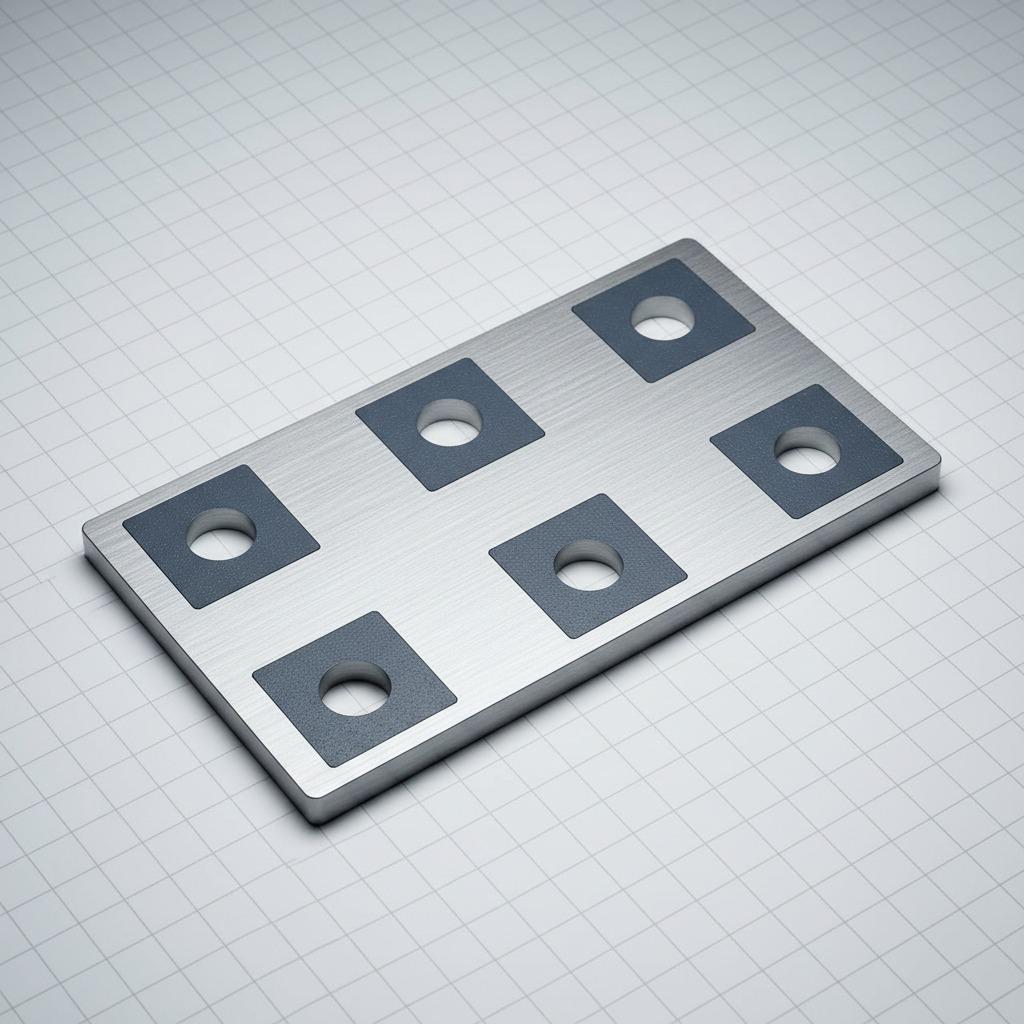
MMO titanium anode plate: what buyers should know before they specify one
An MMO titanium anode plate is one of those components people often search for when a process starts misbehaving: current density drifts, coating life becomes inconsistent, or a seemingly simple electrochemical part turns out to be the bottleneck. If you are sourcing for water treatment, cathodic protection, electroplating support, or another industrial system, the real decision is rarely just “titanium or not.” It is about matching the substrate, coating, geometry, and operating environment so the anode performs predictably instead of becoming a maintenance headache.
This guide is meant to help engineers, sourcing managers, and product teams decide what matters when evaluating an MMO titanium anode plate, where the common specification traps are, and how to ask a supplier the right questions before committing to a build.

What an MMO titanium anode plate actually does
MMO stands for mixed metal oxide. In practical terms, the plate is usually a titanium base with an electrochemically active coating designed to carry current efficiently while resisting the harsh conditions inside the cell, tank, or protected structure. Titanium is used because it offers a strong, stable base material. The mixed metal oxide coating is what gives the plate its working behavior.
That matters because buyers sometimes focus only on the shape. Plate format is important, but the coating chemistry and the service environment usually decide whether the part lasts months, years, or disappointingly less than expected. A good supplier should be able to discuss the intended electrolyte, temperature range, current loading, and whether the part will operate continuously or intermittently.
Key buying questions that should come first
Before you compare quotations, define the application. Is the plate being used for cathodic protection, chlorine generation, wastewater treatment, or another electrochemical process? Each use case changes the design priorities. For example, a plate in a stable process bath faces different risks than one exposed to intermittent wet/dry cycles, scaling, or variable current demand.
Next, look at geometry. Plate dimensions, hole pattern, mounting style, and any formed edges or tabs are not cosmetic details. They affect installation, current distribution, mechanical support, and how easily the system can be serviced. If a design has to fit an existing enclosure or rack, a small mismatch can create unnecessary rework on the shop floor.
Material and coating details that usually matter most
The titanium substrate is the backbone of the part, but the coating is what determines performance. Buyers often ask for “MMO” as if it were a single material, yet coatings can be selected for different electrochemical duties. Some are better suited to oxygen evolution, others to chlorine evolution, and some are optimized for longer life in less aggressive environments. If the supplier cannot explain the coating’s intended duty, that is worth a pause.
Coating adhesion is another practical issue. Even without seeing test data, you should ask how the coating is applied and whether the supplier controls surface preparation. Poor surface prep is one of the quickest routes to early failure. In field terms, a plate may look fine on delivery and still underperform once the current is turned up.
How the plate design affects installation and service
Plate geometry is not just a procurement line item. Uniformity matters when the anode sits close to the target surface or operates in a confined assembly. Perimeter hole placement, edge finish, and overall stiffness all influence how the part mounts and whether it stays aligned after repeated thermal or mechanical cycling.
For retrofit work, the safer approach is to work from the actual enclosure or tank dimensions rather than rely on a “standard” plate description. A technically acceptable plate can still be a poor fit if cable routing, clearances, or access for maintenance were not considered at the ordering stage.
Häufige Fehler von Käufern
The most common mistake is assuming all MMO titanium anode plates are interchangeable. They are not. A second mistake is over-specifying one visible feature, such as plate thickness, while ignoring the operating chemistry. Another is requesting a price based on a sketch without stating the application duty. That tends to produce vague quotations and awkward revisions later.
One more practical caution: if your system is sensitive to contamination, ask what handling and packaging the supplier uses after coating. It is a small point, but it can matter when parts are being installed into clean process equipment.
Wie man Anbieter vergleicht, ohne sich in der Broschürensprache zu verlieren
A useful supplier comparison is usually straightforward. Ask for the substrate material, coating type, intended service environment, mounting configuration, and any fabrication limits on hole patterns or formed features. If the supplier can only speak in generalities, they may be fine for commodity orders but not for a process-critical part.
It also helps to ask whether the manufacturer can support custom shapes. Many real-world installations need more than a simple rectangle. Tabs, stepped edges, and mounting holes are often dictated by the equipment frame, not by the anode itself. That is where experienced fabrication matters.
Quick practical checklist for purchasing
Use this as a working list before you approve a drawing or sample:
Confirm the operating application and electrolyte.
Define current and duty cycle expectations.
Check the titanium substrate and MMO coating description.
Verify plate dimensions, hole layout, and mounting method.
Ask how the part is fabricated and finished.
Clarify whether the design is standard or custom.
What to ask for before placing the order
If you are still early in the sourcing stage, request a dimensional drawing, material description, and a clear statement of the intended operating conditions. If the part is being used in a system where life expectancy matters, ask for any available reference on service environment compatibility. Even when exact performance figures are not yet available, a disciplined supplier should be able to narrow the design choices and explain the tradeoffs.
For teams working on a new build, the best next step is usually to share the equipment layout and the process conditions together. That gives the manufacturer a much better chance of recommending an MMO titanium anode plate that fits the job instead of simply fitting the sketch.
Häufig gestellte Fragen
Is MMO titanium always the right choice?
No. It is a strong option for many electrochemical uses, but the right coating and geometry depend on the process chemistry and operating load.
Can a plate be customized?
Usually yes, within fabrication limits. Hole pattern, outline shape, and mounting details are often customizable, which is useful for retrofit or enclosure-based systems.
Should I focus more on price or coating specification?
For critical applications, coating suitability usually matters more than a small price difference. A cheaper part that fails early is not a bargain.
If you are evaluating an MMO titanium anode plate for a specific machine or process line, the best move is to start with the operating environment, not the catalog photo. That one habit will eliminate a lot of avoidable sourcing errors.