
 DE
 EN
 ZH
 JA

Der Blog
Choosing the Right Titanium Anode for Seawater Treatment: A Technical Guide
Optimizing Electrochemical Efficiency with Titanium Anode for Seawater Treatment
When designing systems for marine environments, the choice of electrode material is rarely a secondary consideration. Engineers tasked with specifying a titanium anode for seawater treatment often find themselves balancing the immediate need for corrosion resistance against the long-term demands of electrical conductivity and structural integrity. In high-salinity applications, the electrochemical environment is notoriously aggressive, and using the wrong substrate can lead to rapid passivation or mechanical degradation, effectively stalling your entire water treatment process.
Understanding the Anode Configuration
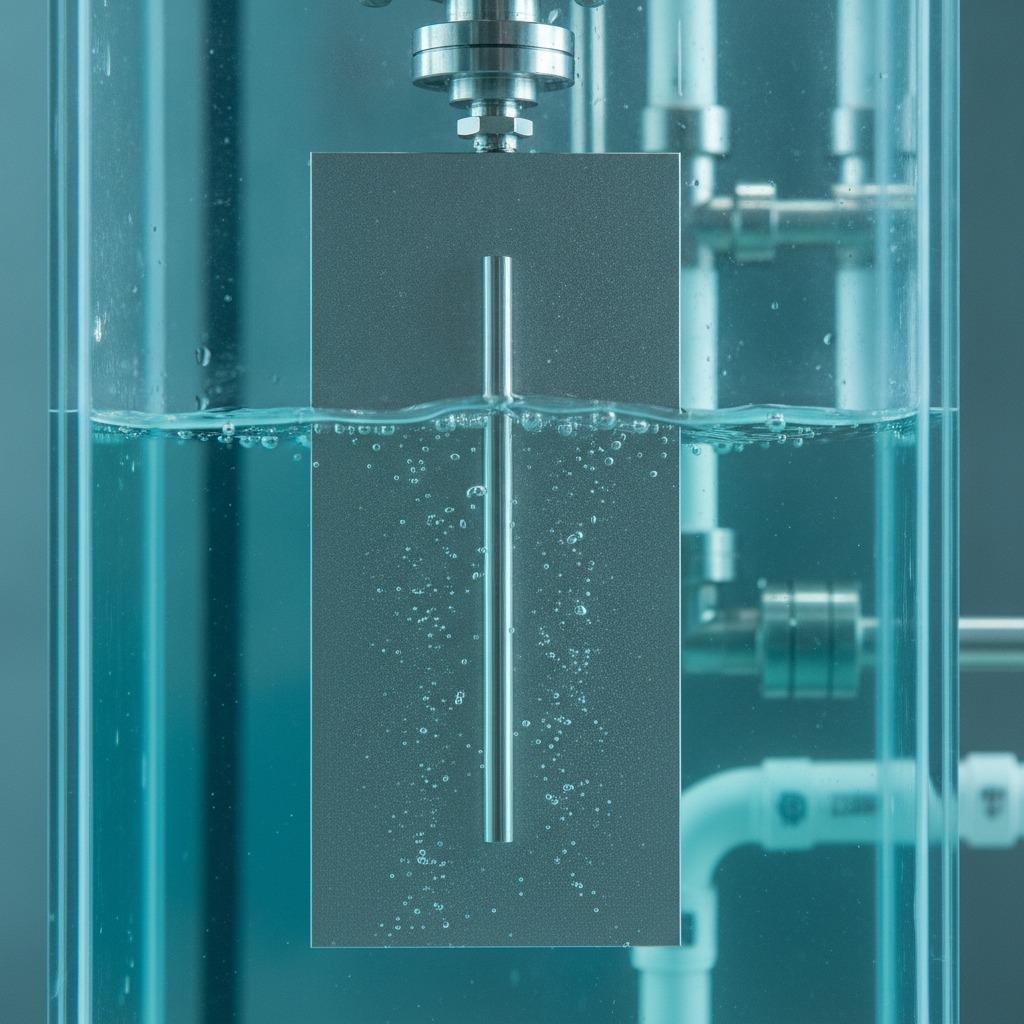
Modern industrial electrode assemblies often feature a modular, flat-plate design, which is typical for systems utilizing a four-plate array. These units generally consist of a rectangular plate paired with an integrated conductive rod. While the geometry seems straightforward—often a simple rectangular profile with a central suspension stem—the engineering behind these components is nuanced. The rod is not merely a mounting point; it acts as the primary conduit for current, requiring a secure, low-resistance connection to the plate. If you are reviewing existing inventory or sourcing replacements, pay close attention to the junction between the rod and the plate. A weak interface here is a common failure point that can lead to uneven current distribution or complete electrical loss during operation.
Material Considerations and Surface Properties
The matte, granular finish observed on many high-performance electrodes often indicates a specific surface treatment or coating intended to catalyze the electrolysis process. In seawater treatment, a bare titanium surface is seldom sufficient to achieve the desired efficiency. Manufacturers typically apply specialized coatings to lower the overpotential required for essential chemical reactions, such as the evolution of chlorine or oxygen.
When evaluating these components, you should seek clarity on the substrate and, more importantly, the surface finish. A mottled or granular surface might be an intentional design feature to increase the effective surface area of the electrode, thereby improving electrochemical efficiency. However, do not assume that all gray-finish plates are identical. Surface porosity and coating thickness are critical factors that directly influence the service life of your installation. If you are replacing a component, check your maintenance logs; unexpected material degradation is often a symptom of an incompatible coating rather than a failure of the titanium substrate itself.
Practical Selection Criteria for Your Facility
Before finalizing a procurement decision, you need to verify how these assemblies integrate with your current infrastructure. Consider these factors:
Mounting Arrangements: The integrated rod serves as both a support and an electrical connection. Verify that your current busbar configuration matches the rod’s diameter and material composition to avoid galvanic corrosion at the contact point.
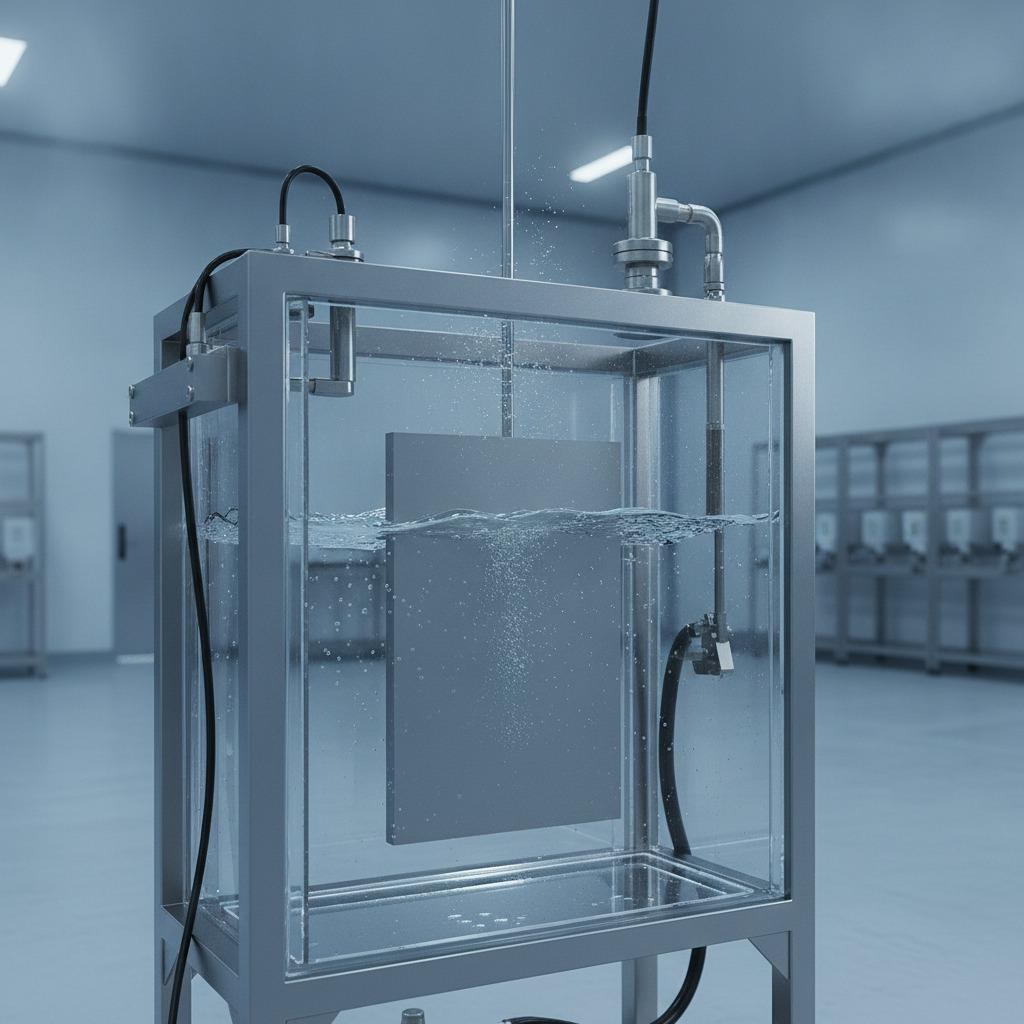
Immersion Depth and Geometry: Since these assemblies are often produced with varying plate lengths, confirm that the active surface area is fully submerged. Incomplete immersion can lead to stress at the water-line interface.
System Compatibility: Seawater treatment systems range from pilot-scale laboratory setups to massive industrial filtration arrays. Ensure the electrical capacity of your selected anode matches the load requirements of your power supply.
A Warning on Sourcing and Compatibility
One common error we see in the field is assuming that any titanium plate can be swapped into a different seawater treatment application. Because the electrolyte chemistry—pH, salinity, temperature, and flow rate—dictates the necessary coating chemistry, a drop-in replacement that looks identical may fail within weeks if its electrochemical profile is not perfectly aligned with your specific process. Always cross-reference the intended operating environment with the manufacturer’s technical specifications. If you are unsure about the current rating or the specific type of coating, it is safer to request a sample for a pilot test than to risk an entire array in a full-scale deployment.
If your engineering team is evaluating new electrode configurations for marine water treatment, start by mapping out your current density requirements. Matching the plate dimensions to your existing tank geometry is only half the battle; the long-term viability of your process depends on the electrochemical stability of the assembly. For guidance on current capacity or to discuss specific mounting configurations for your facility, reach out to a specialist for a detailed technical review.