
 DE
DE  EN
EN  ZH
ZH  JA
JA 
Der Blog
Langlebige Titan-Elektrodenplatte: Worauf Käufer achten sollten
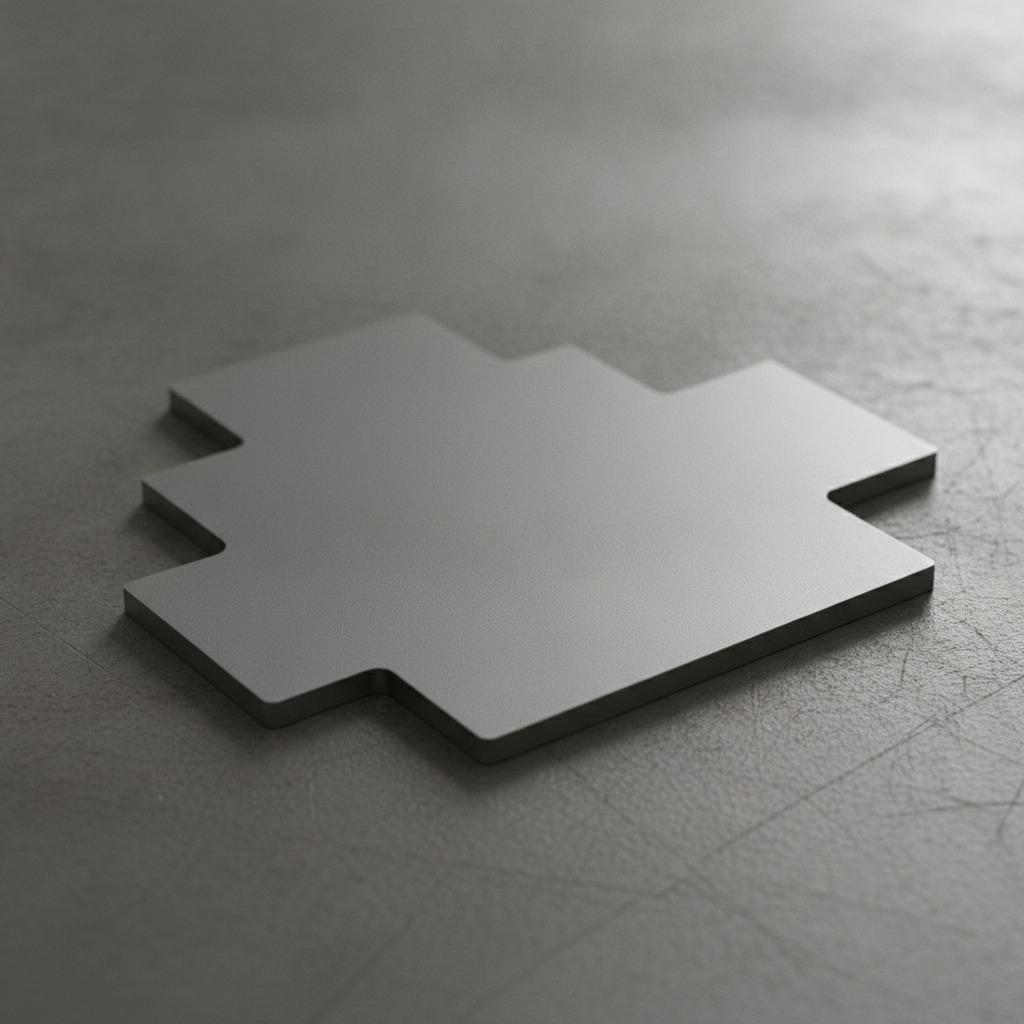
If you are sourcing a durable titanium electrode plate, the first thing to get right is not the brochure language but the actual part geometry and material behavior. A simple flat plate can look unremarkable on a bench, yet the wrong combination of base material, edge quality, and mounting detail can turn into early wear, inconsistent contact, or unnecessary assembly trouble. That is especially true for custom-cut plate parts with stepped edges and small tabs, where the final shape matters as much as the material itself.
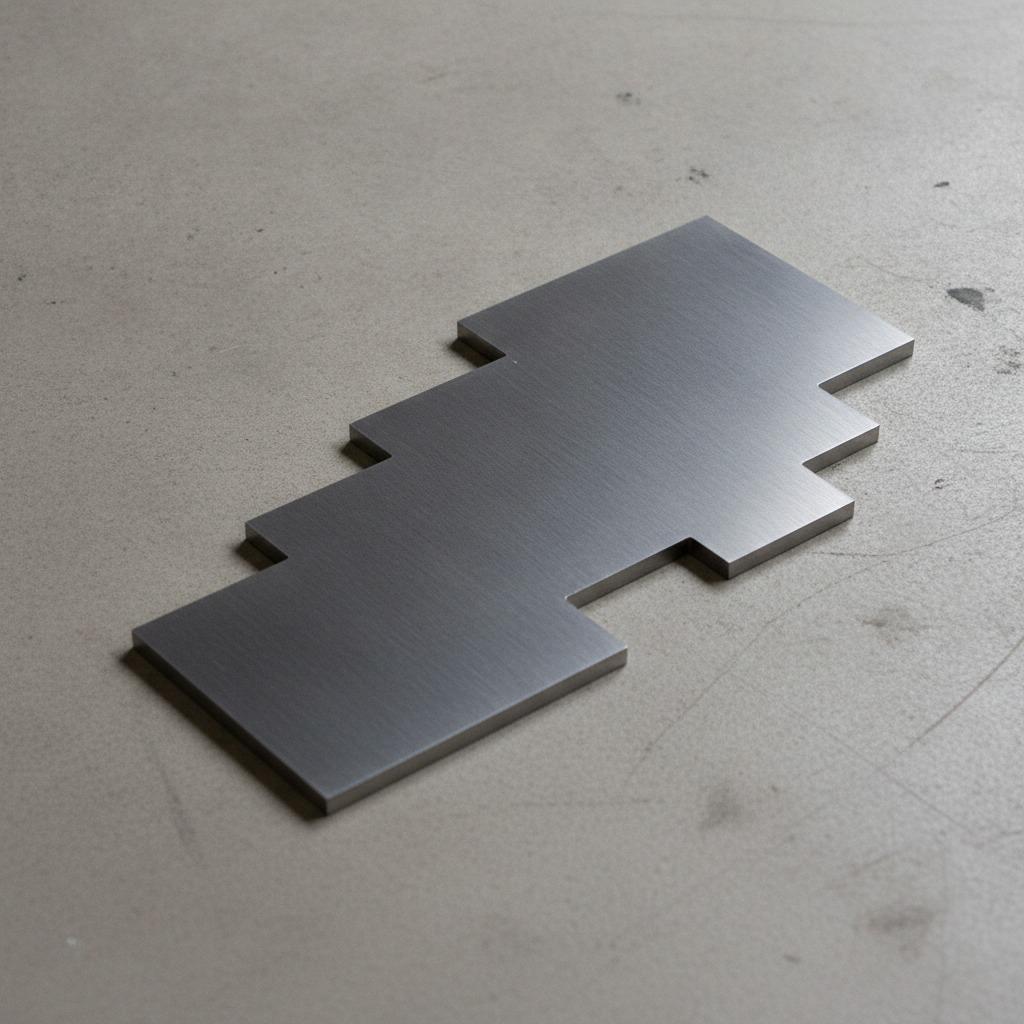
The component described here is a flat, custom-cut plate with an irregular stepped outline, one small side tab or ear, and a clean, matte surface. The profile is planar and compact, with no visible holes or fasteners. That sort of geometry is common in industrial assemblies where a plate must sit in a controlled position, guide another part, or act as an internal insert, spacer, shim, or wear surface. If the end use is an electrode plate, the same design logic applies: the part must fit accurately, hold its shape, and survive the operating environment without becoming a maintenance item too soon.
Why buyers care about the plate, not just the material
Engineers often focus on the headline material first, but for electrode-related parts the real question is how the plate performs as a complete assembly element. Titanium is attractive because it offers a strong balance of corrosion resistance, low density, and durability in demanding environments. That said, a plate only earns the “durable” label when the material, thickness, edge condition, and fabrication method all support the intended use.
For buyers, the decision is rarely “titanium or not” in isolation. It is more practical to ask: does this plate need to resist chemical exposure, repeated handling, or dimensional shift? Does it need to remain stable under thermal cycling? Will it be installed as a fixed conductive or structural element, or is it more of a protective or spacing component? Those questions shape the correct specification more than the name on the material cert.
What the geometry tells you about manufacturability
The visible shape suggests a part that could be made by CNC cutting, stamping, laser cutting, or die cutting from sheet or plate stock. The edges appear clean and consistent, which usually points to a controlled cutting process rather than a rough break-out operation. For a custom titanium electrode plate, that is a useful sign: it means the supplier is likely capable of reproducing a repeatable outline without adding unnecessary secondary finishing.
The stepped notch on the right side and the small side tab are not cosmetic details. They usually exist to help with alignment, clearance, retention, or a local connection point in the parent assembly. In buyer terms, those features deserve as much attention as overall width and height. A part that is “almost right” in outline can still create binding, poor seating, or uneven load transfer once it is installed.
Small details that matter more than they look
A matte, uniform surface can be a benefit in some assemblies because it reduces glare and usually signals a straightforward finishing process. Clean-cut edges are also helpful, but only if they are truly consistent. Burrs, heat-affected edges, and uneven corner radii can become problem areas, especially when the plate sits against another precision component or is handled frequently during assembly.
Titanium’s appeal, and its limits
Titanium is a serious candidate when corrosion resistance and longevity matter. In many industrial settings it is chosen because it holds up better than basic metals in aggressive environments, and because its strength-to-weight profile can be useful where mass matters. That is the reason buyers search for a durable titanium electrode plate in the first place.
Still, titanium is not a universal answer. It can be a poor fit if electrical conductivity, heat transfer, or budget constraints dominate the design. In some applications, a different metal or even a nonmetallic plate will perform better. Since the supplied image does not confirm the material, a careful buyer should avoid assuming the part is titanium without verification. A dark gray finish and solid-sheet appearance are not enough to prove alloy identity.
That caution is especially important if the plate is part of an electrode stack, a fixture, or a machine assembly where material compatibility affects service life. Ask for the exact grade, the intended process route, and any relevant handling or surface notes. If the supplier cannot clearly state those basics, that is a warning sign worth slowing down for.
Selection criteria for sourcing teams
When comparing suppliers for a custom plate like this, start with fit and repeatability. The outline should match the drawing, but the supplier should also be able to explain how they control edge quality and dimensional consistency from batch to batch. A neat prototype is useful; a stable production part is what matters.
Then look at the connection between design and process. A part with a small tab, internal step, or unusual corner geometry may be easy to sketch and surprisingly difficult to produce cleanly at scale. If the part is intended as a titanium electrode plate, confirm whether the shop can handle the chosen stock form and cutting method without distorting the part or leaving a poor edge condition.
Finally, think about assembly practicality. If the part has no holes or fasteners, it may depend on clamping, fit-up, bonding, or capture in a surrounding structure. That makes the outline even more important. A plate that installs smoothly tends to stay in service longer, simply because it avoids small mechanical stresses that add up over time.
Häufige Fehler von Käufern
One frequent mistake is specifying the material first and the function second. Another is assuming that a flat plate is simple enough that any shop can reproduce it without issue. In reality, once you introduce a stepped profile, a tab, or a precision interface, the part is no longer generic stock. It is a custom component with its own risk points.
Another practical mistake is overlooking the finish. In electrode or adjacent industrial service, a rough or inconsistent edge can create wear or assembly problems long before the plate itself fails. The part may be small, but the maintenance cost is often paid later and elsewhere in the system.
What to ask before placing an order
Ask for the confirmed material, not the presumed one. Ask which cutting method is used and whether any secondary deburring or edge cleanup is included. Ask how the supplier controls the stepped notch and the small side tab, because those are the areas most likely to drift if process control is loose. If the part will operate as an electrode plate, ask how the material choice supports the intended environment rather than relying on a generic “durable” claim.
It is also worth asking for a sample or first article when the part has to interface with a larger assembly. That is not overcautious; it is usually cheaper than discovering a fit issue during line build or after installation.
FAQ: quick answers for buyers
Is the pictured part definitely titanium? No. The visible information suggests a dark gray solid sheet component, but the exact material cannot be confirmed from appearance alone.
Can a flat custom plate be used as an electrode component? Yes, depending on the system. But the electrical, thermal, and corrosion requirements need to be checked before assuming suitability.
Why does the stepped outline matter? Because those features usually control fit, clearance, or location in the assembly. They are not decorative.
What is the safest procurement approach? Verify material, confirm fabrication method, review the outline drawing, and check how the part will be installed and maintained.
Ein praktischer nächster Schritt
If you are evaluating a durable titanium electrode plate for a new build or replacement program, start with a clear drawing and a short list of non-negotiables: material confirmation, edge quality, geometry control, and installation method. That is usually enough to separate a capable custom fabricator from a vendor who can only quote shapes in the abstract. For parts like this, the best sourcing decision is rarely the cheapest one on paper; it is the one that fits cleanly, behaves predictably, and does not ask for attention after installation.