
 DE
 EN
 ZH
 JA

Der Blog
Choosing a High-Performance Titanium Anode for Chlorination Systems
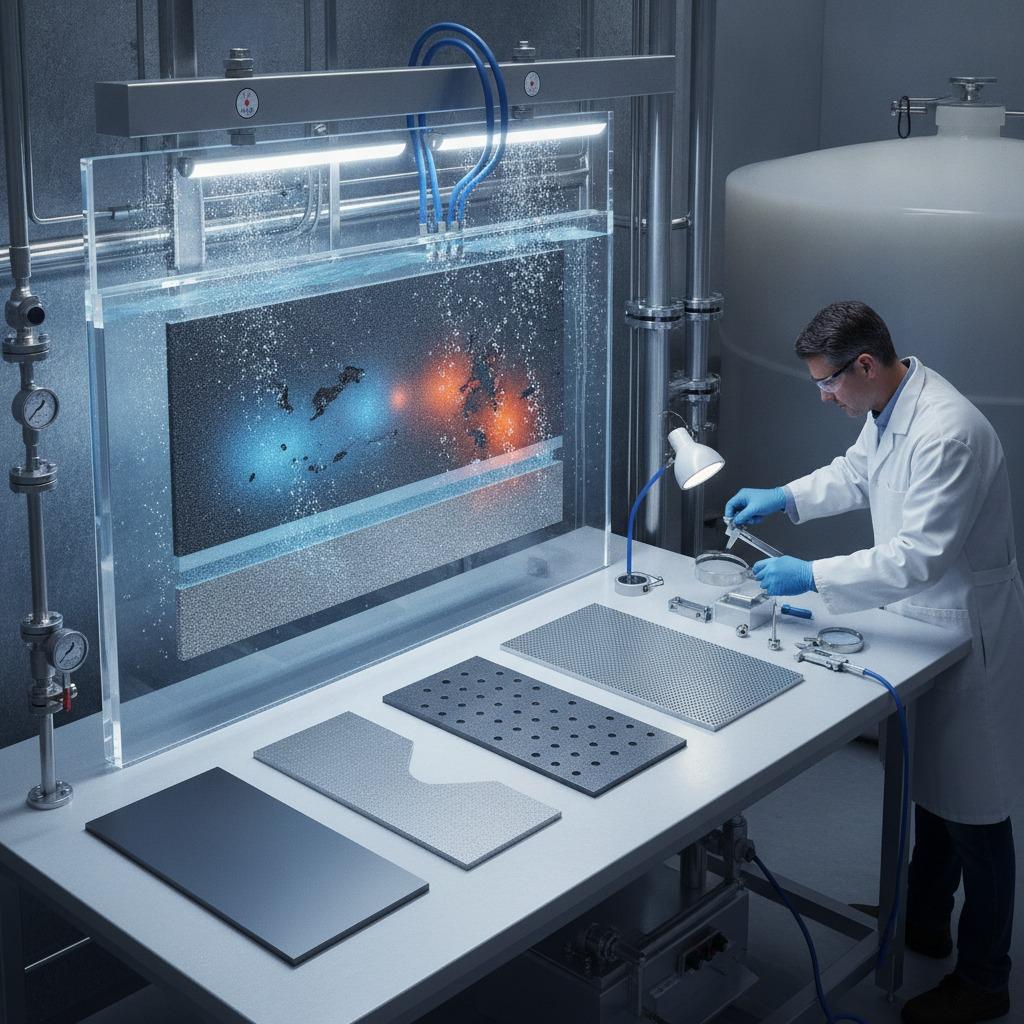
Optimizing Electrochemical Performance with Titanium Anodes
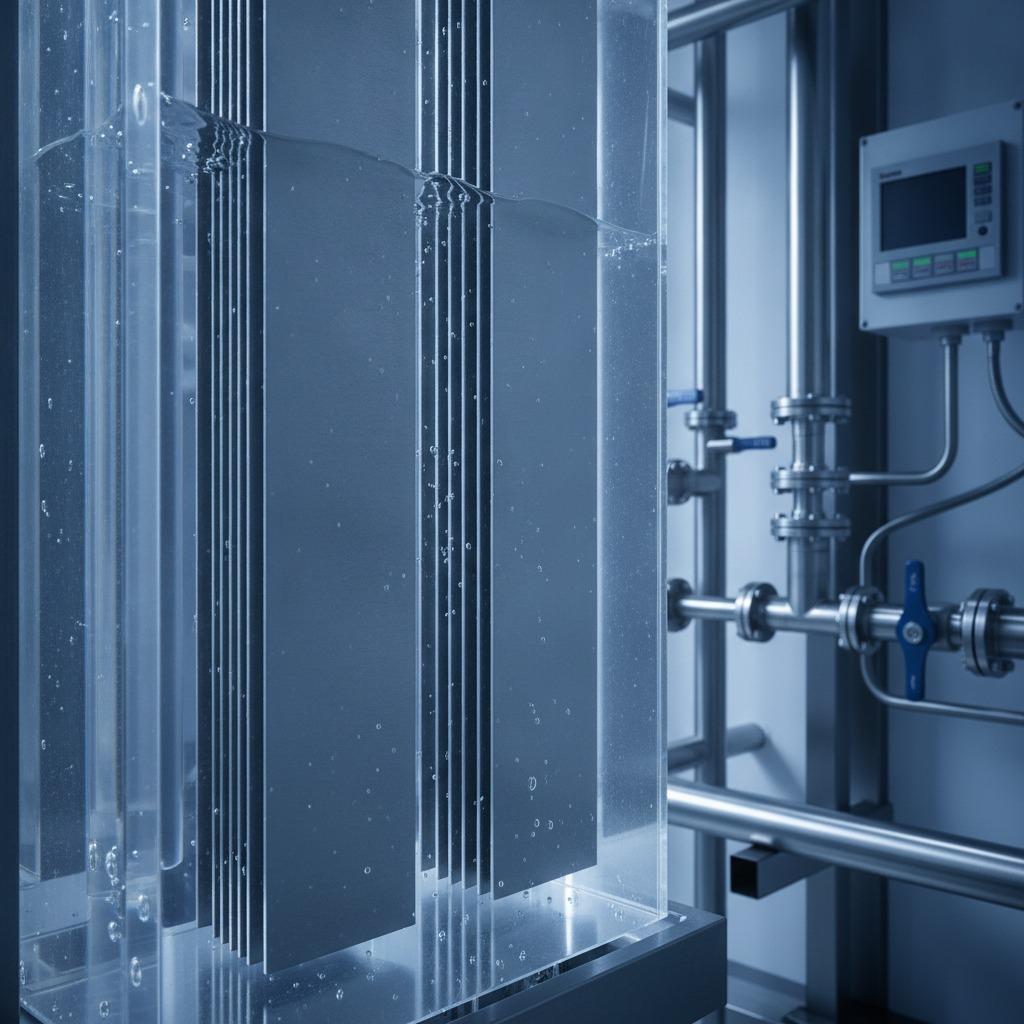
In industrial electrochemical processes, particularly those involving water treatment and disinfection, the longevity and efficiency of the system are often dictated by the quality of the electrode. Utilizing a high-performance titanium anode for chlorination has become the industry standard for facilities looking to move away from traditional, consumable materials. Unlike older graphite or lead-alloy electrodes, titanium serves as an exceptional substrate because of its inherent corrosion resistance and ability to maintain a stable geometry under harsh electrolytic conditions.
Engineers and sourcing managers are often tasked with balancing initial capital expenditure against long-term operational reliability. When selecting an anode, it is not merely about the base titanium grade, but the specific active coating—often comprised of mixed metal oxides—that facilitates the chlorine evolution reaction. If your facility is dealing with high-salinity water or challenging brine conditions, understanding the interaction between the titanium substrate and the catalytic coating is essential for preventing premature cell failure.
The Role of Material Integrity in Chlorination
The primary advantage of titanium in chlorination applications is the formation of a self-healing, passive oxide layer. This layer prevents the underlying metal from dissolving into the electrolyte. However, the effectiveness of this protection depends heavily on the preparation of the surface before the precious metal oxides are applied. A poorly prepared surface can lead to peeling or rapid degradation, regardless of how high-quality the titanium substrate may be.
When reviewing potential components, keep an eye on the uniformity of the active coating. Many systems suffer from uneven current distribution, which leads to localized hotspots. In an industrial setting, this can result in energy wastage and reduced byproduct purity. If your current electrodes show signs of discoloration or flaking, it may be time to audit your vendor’s quality assurance process, particularly regarding their sintering methods for the catalyst layer.
Selection Criteria for Procurement Teams
When sourcing electrodes, avoid the temptation to select components solely based on list price. Consider the following factors that impact total cost of ownership:
- Current Density Rating: Ensure the anode is rated for the specific amperage your process requires. Operating above the design limit will drastically shorten the service life.
- Substrate Purity: High-grade titanium is required to ensure that the adhesion of the coating remains intact over thousands of hours of operation.
- Mechanical Profile: While flat-sheet geometries are common, some applications require custom-cut shapes to optimize current distribution within specific tank architectures.
Be cautious of suppliers who cannot provide documentation regarding the coating application process. Because the electrochemical activity is confined to the thin outer layer, the manufacturer’s expertise in applying these coatings is far more critical than the mechanical shaping of the titanium itself. Always ask for evidence of performance in similar salinity environments to verify that the chemistry is appropriate for your specific site conditions.
Managing Risks in Electrochemical Systems
One common pitfall in industrial chlorination is the neglect of the anode’s auxiliary components. Even if the titanium anode for chlorination is of the highest quality, a poor connection point or an improper power delivery bus can introduce resistance that degrades the entire assembly. Ensure that your maintenance team periodically checks the physical connections to the electrode to prevent localized overheating. Even the most robust metal component can fail if it is forced to operate outside of its electrical design parameters.
As you evaluate your next equipment upgrade, prioritize vendors who offer detailed technical support rather than just a catalog of parts. Understanding the expected depletion rate of the anode coating allows you to schedule maintenance proactively, avoiding the costly downtime associated with a sudden system failure.
Next Steps for Your Project
If you are in the process of upgrading your water treatment systems or replacing aging electrode assemblies, the move toward specialized titanium solutions is a reliable path to higher efficiency. Start by auditing your current electrical load and the chemical composition of your source water. Sharing these parameters with a qualified technical lead will allow you to specify the correct anode configuration for your facility’s unique demands. If you need technical guidance on selecting the right electrochemical hardware for your specific operational load, please reach out to our engineering team to discuss your current setup.