
 EN
EN  ZH
ZH  JA
JA  DE
DE 
Blog
Electro oxidation titanium anode: Key to Advanced Material Processing
Electro oxidation titanium anode :Principles and Applications in Advanced Materials Processing
 :
:
Electro oxidation titanium anode,Electro oxidation represents a cornerstone electrochemical process in modern materials science, enabling precise control over surface modifications and material synthesis. This technique leverages anodic reactions to generate reactive species that facilitate oxidation, often applied in industries requiring high-performance materials like carbon composites. At the heart of electro oxidation lies its ability to tailor material properties at the molecular level, making it indispensable for innovations in lightweight, durable structures.
Fundamentals of Electro Oxidation
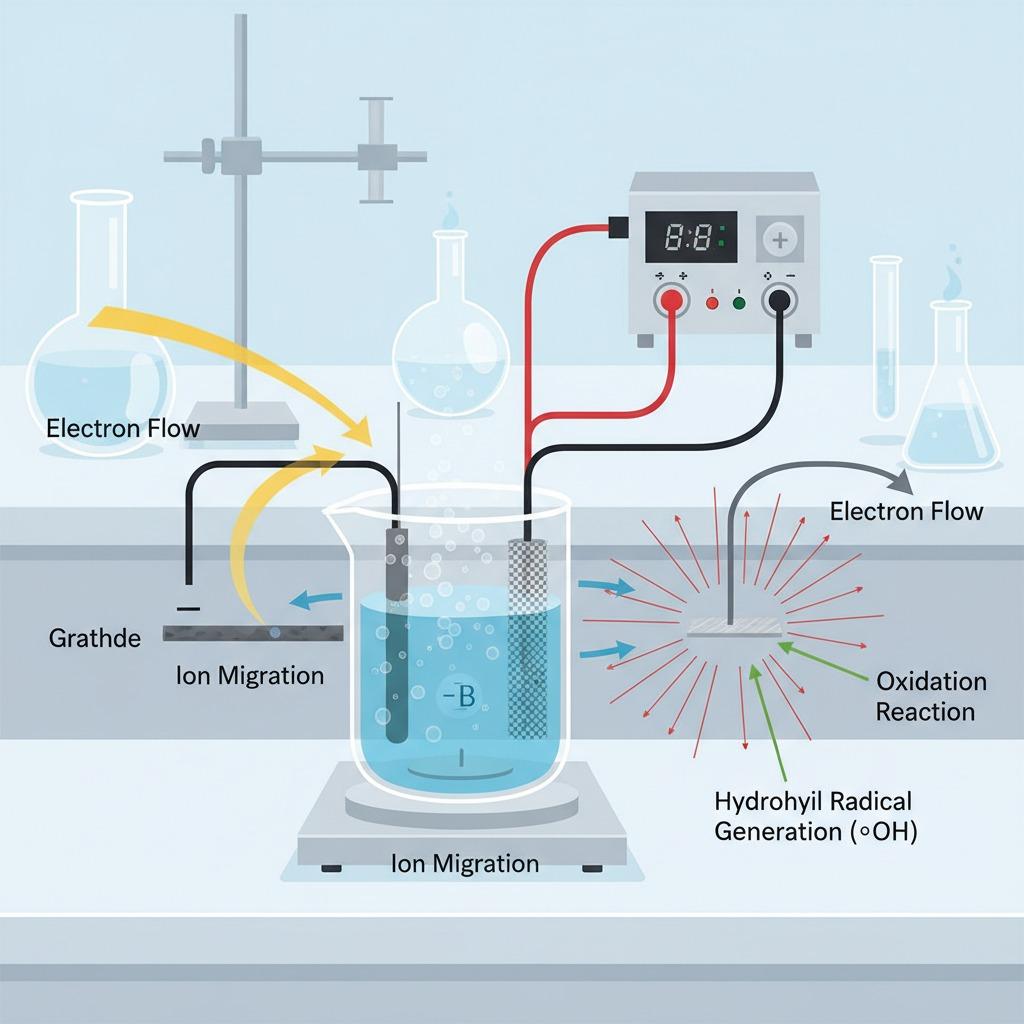
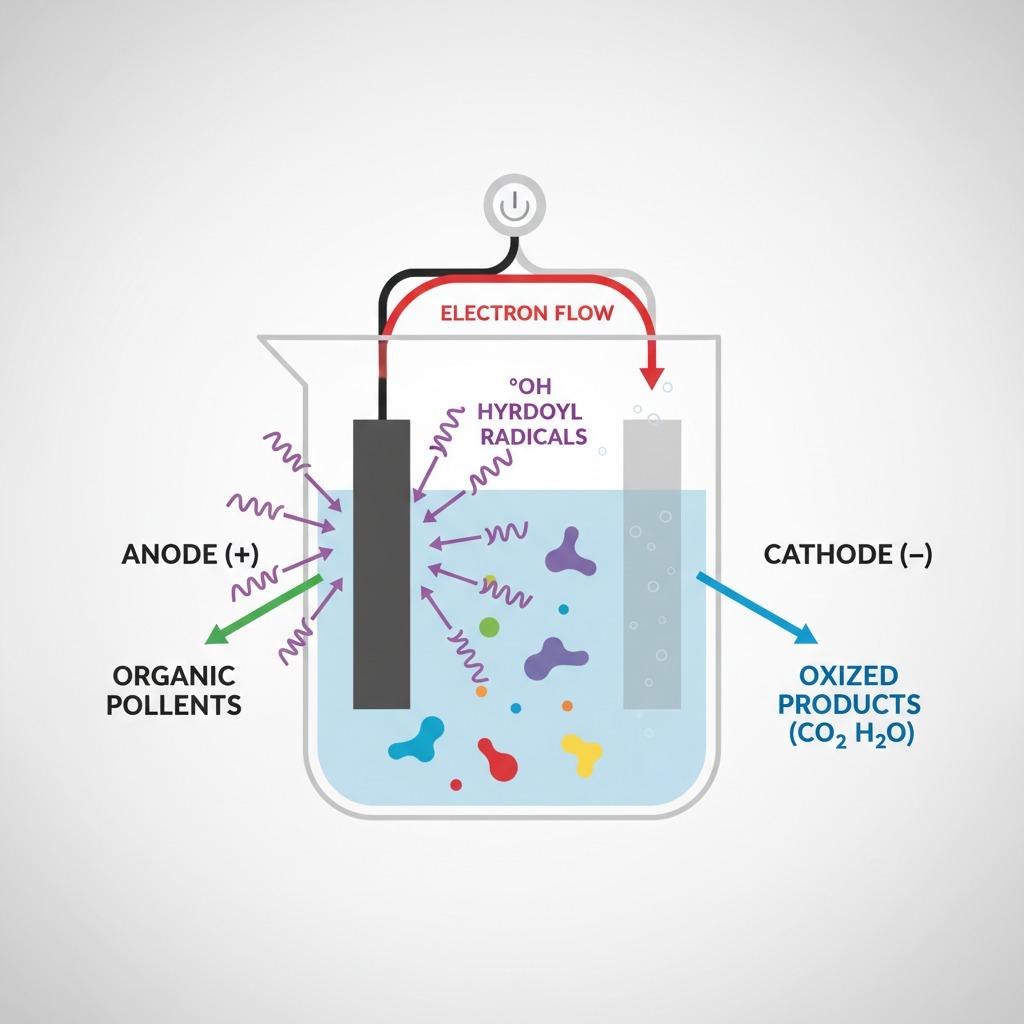
Electro oxidation titanium anode,Electro oxidation occurs when an electric current passes through an electrolyte solution, driving oxidation at the anode. In technical terms, the process can be described by the general reaction: Oxidant → Product + ne⁻, where electrons are released, and the oxidation state of the species increases. Key parameters include applied potential, electrolyte composition, and electrode material. For instance, in aqueous media, water oxidation can produce hydroxyl radicals (•OH), powerful oxidants with a standard reduction potential of 2.80 V vs. SHE. This radical-mediated mechanism enhances reaction efficiency, often surpassing traditional chemical oxidation methods in selectivity and environmental benignity.
The process is governed by Faraday’s laws of electrolysis, where the mass of substance altered is proportional to the quantity of electricity passed: m = (Q / F) × (M / n), with Q as charge, F as Faraday’s constant (96,485 C/mol), M as molar mass, and n as electrons transferred. In practice, electro oxidation systems employ dimensionally stable anodes (DSAs), such as those coated with mixed metal oxides (e.g., RuO₂-IrO₂), to minimize overpotential and ensure longevity. These setups are optimized for pH ranges from acidic to alkaline, depending on the target application, with current densities typically ranging from 10 to 100 mA/cm² to balance kinetics and energy efficiency.
Applications of Electro Oxidation in Material Fabrication
Electro oxidation titanium anode,In the realm of advanced materials, electro oxidation plays a pivotal role in surface functionalization, particularly for carbon-based composites. Consider the processing of carbon fiber texture plates, where electro oxidation can etch or oxidize surfaces to improve adhesion and mechanical interlocking. For diamond grid-patterned carbon fiber plates, this technique introduces functional groups like carboxyl (-COOH) or hydroxyl (-OH) onto the fiber surface, enhancing matrix compatibility in polymer composites. The result is a lightweight yet robust material, with tensile strengths exceeding 3,500 MPa and densities below 1.8 g/cm³, ideal for aerospace and automotive sectors.
A specific example involves the anodic oxidation of carbon fibers in a sulfuric acid electrolyte at 1-2 V vs. Ag/AgCl. This generates oxygen-containing groups without compromising the fiber’s structural integrity, as confirmed by XPS analysis showing increased O/C ratios from 0.05 to 0.20. Such modifications not only boost interfacial shear strength by up to 50% but also enable integration features like precision notches and circular cutouts for seamless system assembly. Electro oxidation’s precision allows for controlled depth of treatment, typically 10-50 nm, preventing excessive degradation while imparting corrosion resistance—critical for plates exposed to harsh environments.
Furthermore, in scaling up production, electro oxidation supports eco-friendly manufacturing by minimizing hazardous reagents. Compared to wet chemical methods, it reduces waste by 70-90%, aligning with sustainable engineering goals. For high-quality carbon fiber plates, the process ensures uniformity across large batches, with variations in surface energy below 5 mJ/m², directly impacting project performance in crafting or structural enhancements.
Challenges and Future Directions in Electro Oxidation
Electro oxidation titanium anode,Despite its advantages, electro oxidation faces challenges such as electrode fouling and energy consumption. Fouling arises from polymer formation on the anode, mitigated by pulsed current techniques or ultrasonic agitation. Energy efficiency, often 20-40% in industrial setups, can be improved through advanced electrolytes like ionic liquids, which lower viscosity and enhance ion mobility.
Looking ahead, integrating electro oxidation with additive manufacturing holds promise for on-demand surface treatments in carbon fiber components. Research into nanostructured electrodes, such as boron-doped diamond, could push oxidation potentials to 3.0 V, enabling selective degradation of impurities in recycled fibers. As industries demand stronger, lighter materials, electro oxidation will remain a vital tool, driving innovations like our diamond grid carbon fiber texture plates that blend style, durability, and functionality for cutting-edge applications.